Composite decking has gained immense popularity as a durable and low-maintenance alternative to traditional wood decking. However, when considering the installation of composite decking, one must take into account the weight of the materials, which can significantly affect both safety and effectiveness during installation. The global distribution of production capacity and the associated pricing advantages are critical factors that can influence the choice of composite decking for various applications.
The weight of composite decking boards varies depending on the material composition, which typically includes a combination of wood fibers and recycled plastic. This variation in weight is essential to consider because heavier boards may require additional structural support during installation. If the existing framework or joists are not adequately reinforced to handle the extra load, it could lead to safety hazards and potential structural failure over time. Proper planning and assessment of the substructure are vital steps prior to installation to ensure that it can support the weight of the chosen decking material.
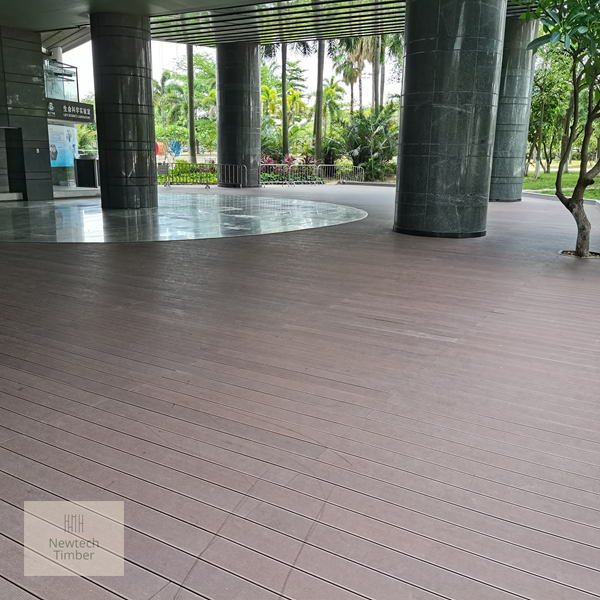
From a global perspective, the production capacity of composite decking has expanded significantly in recent years. Many manufacturers are strategically located in regions with access to abundant raw materials, which contributes to the overall efficiency of production. Countries such as the United States, Canada, and various European nations are at the forefront of composite decking manufacturing, leveraging their advanced technologies and resources to produce high-quality products. This geographical distribution allows for a wide range of options when it comes to weight specifications, as different manufacturers may emphasize different formulations that influence the final weight of their products.
Price advantages play a crucial role in the decision-making process for both contractors and homeowners. The cost of composite decking can vary widely depending on the brand, quality, and weight of the boards. Heavier boards may sometimes be perceived as more robust and durable, leading to higher prices. However, this does not always translate to superior performance or longevity. It is essential for buyers to evaluate the cost-effectiveness of different options, taking into consideration not only the initial purchase price but also the long-term benefits associated with reduced maintenance and replacement costs.
Furthermore, the global supply chain impacts pricing and availability. Disruptions in production or transportation can lead to fluctuations in the cost of materials. Buyers should remain aware of these factors when planning their projects, as seasonal demand or geopolitical events can impact both the weight and price of composite decking. Understanding these dynamics can help consumers make informed decisions about their decking choices and potentially save money.

Another important consideration is the environmental aspect of composite decking. Many manufacturers prioritize sustainable practices by using recycled materials in their products. This commitment to sustainability may influence the weight of the boards, as certain formulations may incorporate lighter materials or innovative designs that maintain strength while reducing overall mass. Choosing lightweight composite decking can offer several advantages, including easier handling during installation and reduced strain on supporting structures.
When installing composite decking, it is advisable to consult with professionals who understand the nuances of weight considerations and structural integrity. They can provide valuable insights into the best practices for installation, ensuring that the chosen decking material will perform effectively over its intended lifespan. Proper installation techniques, including the spacing of joists and the use of appropriate fasteners, are critical in achieving a safe and durable finished product.
In the end, the weight of composite decking is a significant factor influencing safe and effective installations. By understanding the global production capacity, pricing advantages, and the associated implications of weight, consumers can make more informed choices about their decking materials. Whether for residential or commercial projects, being mindful of these considerations will lead to better outcomes in terms of both safety and satisfaction with the final product. Investing time in research and planning can ultimately enhance the overall experience of installing composite decking while ensuring long-lasting results.

