Understanding Outdoor Plastic Wood
Outdoor plastic wood, often referred to as wood plastic composite (WPC), has revolutionised the landscape of sustainable materials in construction. This innovative blend of recycled plastic and wood fibres offers an eco-friendly alternative to traditional timber, ensuring longevity and minimal maintenance. As the demand for sustainable building materials rises, understanding the properties and benefits of outdoor plastic wood becomes essential for buyers looking to enhance their landscaping and construction projects.
Unlike conventional wood, outdoor plastic wood resists rot, decay, and insect damage, making it an ideal choice for areas exposed to harsh weather conditions. With a variety of colours and textures available, WPC can seamlessly fit into any design aesthetic, whether for residential patios or commercial outdoor spaces.
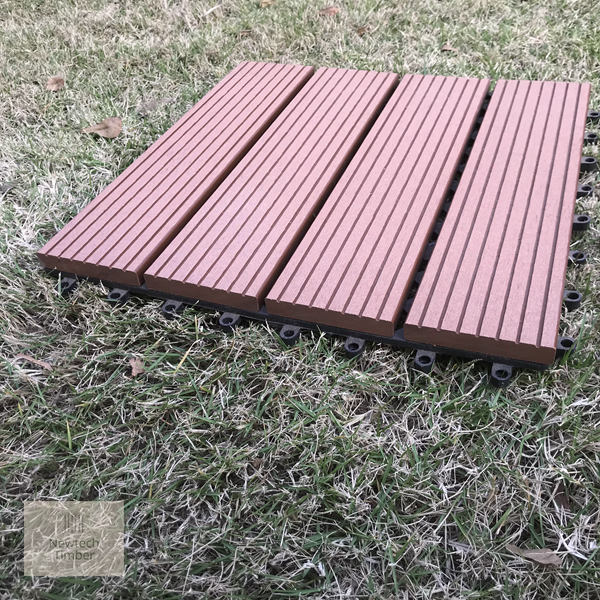
Comparing Composite Decking Options
When considering options for composite decking, it is crucial to compare different products based on their composition, durability, and aesthetic appeal. Not all outdoor plastic wood products are created equal; some may contain higher percentages of recycled materials, impacting their strength and longevity. Look for decking that specifies the types of wood fibres and plastics used in its manufacture, as well as any certifications that indicate environmental responsibility.
Additionally, pay attention to the manufacturing process. Some brands employ advanced technology to enhance the durability and colour retention of their products. This is particularly important in climates with extreme temperatures, where materials can expand and contract, affecting performance over time. Evaluate the warranty offered with each product; a longer warranty often signifies a manufacturer’s confidence in their material’s longevity and resistance to wear.
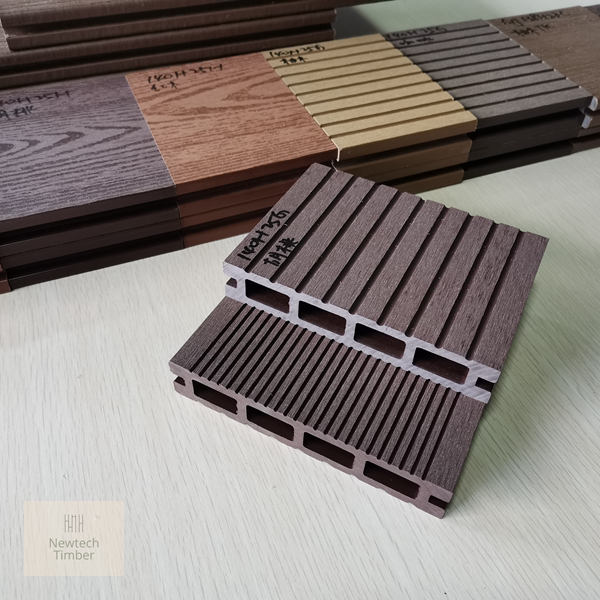
Avoiding Common Mistakes in Material Selection
Selecting outdoor plastic wood should be a thoughtful process to avoid common pitfalls. One frequent mistake is overlooking the importance of slip resistance, especially for decks and patios where wet conditions can lead to accidents. Ensure that the chosen product meets safety standards for slip resistance, particularly if the area will be used frequently for walking or entertaining.
Another common error is failing to consider installation requirements. Some composite decking may require specific fasteners or installation techniques to maintain structural integrity and aesthetics. Confirm that you have access to the right tools and knowledge for installation, or consider hiring professionals who are experienced with outdoor plastic wood products.
Reading Specifications and Product Details
Moreover, consider the colour retention and UV resistance of the material. Many outdoor plastic wood products are designed to withstand prolonged sun exposure without warping or fading. Products that include additives for UV protection will likely maintain their appearance over time, adding to their value as a long-term investment for your project.
Selecting the Right Product for Your Climate
Your local climate should heavily influence the choice of outdoor plastic wood. For instance, if you live in an area with high humidity or heavy rainfall, select a composite material that offers superior moisture resistance to prevent warping or mould growth. Alternatively, if you’re in a dry, arid climate, it might be wise to choose a product designed to resist fading and cracking from prolonged sun exposure.
Additionally, consider the thermal properties of the decking material. Some outdoor plastic wood can become excessively hot in direct sunlight, making it uncomfortable for bare feet. Researching the thermal performance ratings of various products can help ensure your outdoor space remains comfortable throughout the seasons.
Making an Informed Decision
The decision to use outdoor plastic wood for landscaping and construction is not one to be taken lightly. By understanding the materials available, comparing options, avoiding common mistakes, and carefully reading specifications, buyers can make informed choices that enhance both the aesthetic and functional qualities of their outdoor spaces. As the construction industry continues to embrace sustainability, outdoor plastic wood offers a forward-thinking solution that meets both environmental and practical needs.

