Understanding WPC Board for Exterior Applications
The construction industry has seen a remarkable shift towards using wood plastic composite (WPC) boards, particularly for decking, fencing, and cladding. WPC boards are engineered from a blend of recycled wood fibres and plastic, offering a sustainable alternative to traditional materials. This innovative product holds the promise of durability and aesthetic appeal, making it an ideal choice for exterior applications.
When considering a WPC board for your project, it’s essential to grasp its unique properties. Unlike traditional timber, WPC boards resist rot, warping, and insect damage, significantly extending their lifespan. This resilience is especially crucial in environments with extreme weather conditions, where fluctuations in temperature and moisture can severely affect conventional materials. Therefore, understanding the specific advantages of WPC boards can significantly influence your purchasing decision.
Key Specifications to Compare
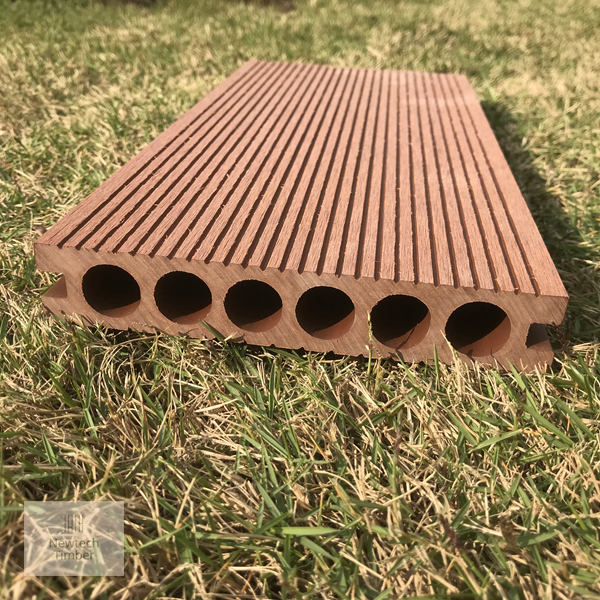
Before settling on a WPC board, potential buyers should familiarize themselves with the key specifications that determine product quality. Look for aspects like thickness, density, and warranty information, as these factors can provide insights into the longevity and durability of the material. A thicker board typically offers enhanced durability and a more substantial feel underfoot, while higher density can indicate greater strength against wear and tear.
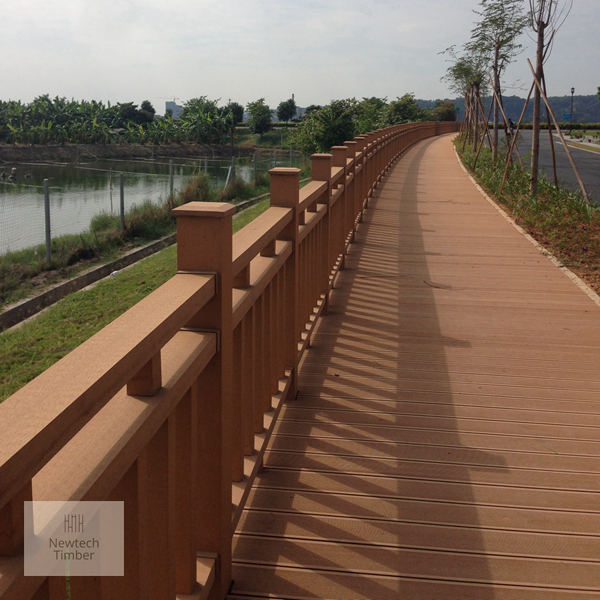
Another critical element is the surface treatment of the WPC board. Many manufacturers offer products with UV protection and anti-slip surfaces, particularly important for outdoor applications where safety and maintenance are concerns. Be sure to examine these specifications closely, as they can greatly impact the performance and upkeep of your decking or fencing solutions.
Evaluating Climate Suitability
The climate in which you reside plays a significant role in determining the best WPC board for your project. Regions that experience high humidity or significant temperature changes may require boards specifically designed to withstand such conditions. For example, some WPC boards come equipped with enhanced moisture resistance to prevent swelling or splitting, while others have been engineered to remain stable in fluctuating temperatures.
In areas with high UV exposure, consider WPC boards with added UV stabilisers. These products help prevent fading and discolouration, ensuring that your exterior features maintain their visual appeal over time. By selecting the right WPC board tailored to your climate, you can significantly improve the longevity and functionality of your investment.
Avoiding Common Mistakes
One of the most common pitfalls buyers encounter is failing to research the specific needs of their project. Rushing into a decision without understanding the product’s features can lead to costly mistakes. It’s advisable to consult with suppliers and request samples where possible. This hands-on approach allows you to assess colour, texture, and overall quality before making a commitment.
Additionally, avoid solely focusing on price as the deciding factor. While budget considerations are important, compromising on quality for a lower price can lead to long-term dissatisfaction. Evaluate the total cost of ownership, including maintenance and replacement costs, to ensure you make an informed decision that meets both your financial and aesthetic expectations.
Installation Considerations
The installation process for WPC boards can vary depending on the specific product and intended use. Some boards require special fasteners or installation techniques to ensure optimal performance and appearance. Familiarising yourself with the installation guidelines provided by the manufacturer is crucial, as this can influence both the functionality of the product and the ease of the installation process.
If you are not planning on employing professional services, consider the complexity of the installation. Some WPC boards are designed for straightforward DIY projects, while others may necessitate expert handling. Assessing your level of expertise and the necessary tools will help you determine the best approach for a successful installation.
Making Informed Choices
Choosing the right WPC board for your decking, fencing, or cladding applications requires careful consideration of various factors. From understanding the unique properties and specifications of the boards to evaluating climate suitability and installation requirements, informed decision-making is key. By investing time in research and consultation, you can ensure that your selected product not only meets your immediate needs but also enhances the overall value and enjoyment of your outdoor spaces.

