Choosing the Right Composite Deck Handrail Supplier
When embarking on the journey to install a composite deck handrail, selecting a reliable supplier is paramount. As an international sales manager for a leading Chinese outdoor WPC manufacturer, I have witnessed firsthand the pivotal role that a trusted supplier plays in the success of any project. Buyers should thoroughly research potential suppliers, which includes reviewing their reputation in the market, understanding their production capabilities, and assessing their level of customer service. This due diligence ensures that you are partnering with a company that not only provides high-quality products but also values transparency and integrity.
In addition, it is wise to consider suppliers that have a strong track record with international clients, especially in your specific region. This can significantly enhance communication and reduce misunderstandings about product specifications and expectations. Look for testimonials and case studies from other companies that have successfully sourced composite deck handrails from the supplier to gauge past performance and reliability.
Evaluating Factory Standards and Certifications
Once potential suppliers have been identified, assessing their factories is the next critical step. A factory visit can be insightful, enabling you to observe their manufacturing processes and quality control measures firsthand. Evaluate the factory’s production capacity and the technology they employ in the manufacturing of composite deck handrails. Certifications such as ISO 9001 can indicate adherence to quality management standards, while other relevant certifications related to environmental safety and product durability should also be considered.
It’s also advisable to inquire about the raw materials used in the production of the composite deck handrail. High-quality WPC (Wood Plastic Composite) materials will ensure durability, weather resistance, and minimal maintenance, all of which are essential for outdoor applications. Engaging with the factory staff can provide deeper insights into their production processes and the level of craftsmanship involved in creating the composite deck handrails.
Confirming Product Specifications
Clear communication regarding product specifications is essential to prevent misunderstandings and ensure that the composite deck handrail meets your requirements. Buyers should request detailed product information, including dimensions, colour options, load-bearing capacity, and warranty terms. This information will not only help in making an informed purchase decision but also facilitate a smoother installation process.
It is equally important to confirm that the supplier can accommodate custom specifications if required. Many projects may call for unique dimensions or special features, so a flexible supplier who can cater to these needs is an asset. Ensure that all specifications are documented in a formal contract to protect your interests and provide a clear reference point throughout the purchasing process.
Avoiding Common Purchasing Risks
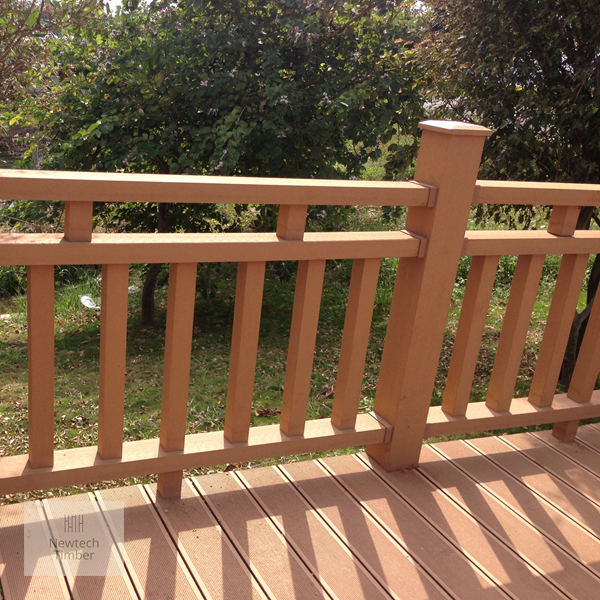
Purchasing composite deck handrails from international suppliers comes with its own set of challenges and risks. One common issue is the discrepancy between expected and delivered product quality. To mitigate this risk, it is beneficial to request samples before placing a large order. Testing these samples can provide insights into the material quality, aesthetic appeal, and overall performance of the composite deck handrails.
Another risk to be aware of is potential delays in production and shipping. Establishing clear timelines and understanding the supplier’s lead times can help avoid disruptions to your project schedule. Communication is key; maintaining regular contact with the supplier during the manufacturing and shipping processes can provide updates and ensure that any issues are addressed promptly.
Ensuring Compliance with Local Regulations
Compliance with local regulations is a crucial aspect of any outdoor construction project. Different regions may have specific codes regarding safety standards for deck installations, including the height and strength of handrails. Before finalising your order, confirm that the composite deck handrail complies with local building codes and regulations. This will not only ensure safety but also avoid potential legal complications in the future.
Working with a supplier well-versed in international standards and local regulations can provide peace of mind. They should be able to guide you on compliance and help you source products that meet or exceed safety requirements. This knowledge is invaluable, particularly for international buyers who may not be familiar with local protocols.
Building a Long-Term Relationship with Your Supplier
Building a long-term relationship with a reliable supplier can pay dividends in the future. A fruitful partnership allows for better communication, understanding, and collaboration on subsequent projects. As your trusted supplier becomes more familiar with your needs and preferences, they can offer tailored solutions and innovations that enhance your offerings in the market.
Moreover, an established relationship can lead to competitive pricing, priority access to new products, and enhanced support for after-sales service. An experienced supplier is a valuable ally in navigating the complexities of the composite deck handrail market, ensuring you remain competitive and meet the evolving expectations of your customers.

