Performance of Plastic Wood Deck Material in Outdoor Environments
Plastic wood deck material, often referred to as wood plastic composite (WPC), has emerged as a leading choice for outdoor applications, particularly in decking. This material combines the aesthetic appeal of natural wood with the durability and low maintenance characteristics of plastics. Unlike traditional timber, which can warp, rot, or succumb to insect attacks, WPC boasts a remarkable resistance to such issues, making it particularly suited for varied outdoor climates.
When comparing WPC to natural wood, it is evident that plastic wood offers superior longevity. Natural timber typically requires regular treatments and sealing to protect against moisture and UV damage, whereas WPC is crafted to withstand these elements without extensive care. Even though some may argue that natural wood provides a more authentic appearance, advancements in WPC technology have enabled the production of composite materials that convincingly replicate the look and feel of real wood.
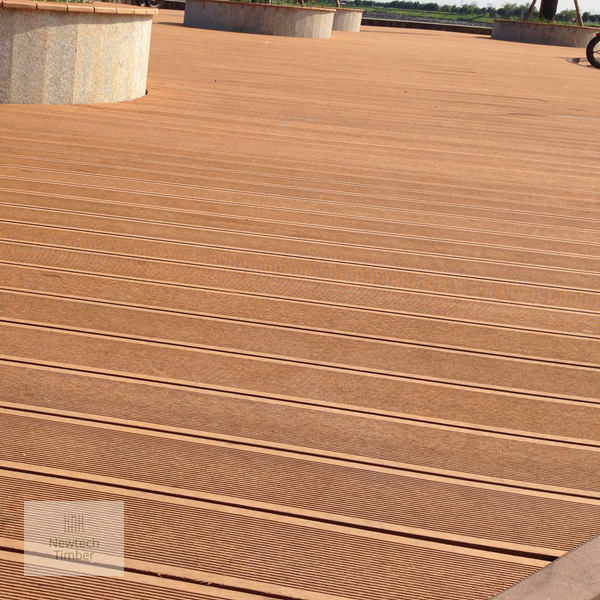
Comparative Analysis with Traditional Timber
One of the most significant disadvantages of traditional timber is its susceptibility to environmental factors. Natural wood can easily deform due to moisture absorption, leading to cracks, splits, and a reduction in structural integrity over time. Conversely, plastic wood decking remains stable under similar conditions, ensuring that the surface remains smooth and safe for foot traffic. The absence of splinters also enhances safety, particularly in residential settings.
Furthermore, the lifecycle costs associated with traditional timber can be substantially higher due to the need for ongoing maintenance, including staining, sealing, and repairs. In contrast, WPC requires minimal upkeep, primarily involving periodic cleaning to remove dirt and debris. Such low maintenance needs contribute significantly to the overall cost-effectiveness of plastic wood deck materials.
Performance Versus Aluminium and Other Exterior Materials
Aluminium is another popular option for outdoor decking, often lauded for its strength and ability to resist corrosion. However, while aluminium offers durability, it can be prone to temperature fluctuations, becoming uncomfortably hot in direct sunlight or overly cold in winter months. In comparison, plastic wood decking provides a more temperate surface, ensuring comfort regardless of the weather.
Additionally, WPC presents a more versatile aesthetic compared to aluminium, which typically features a more industrial appearance. This versatility allows for a broader range of design options, appealing to various architectural styles. Other materials like concrete and stone are often heavier and require more complex installation processes, whereas plastic wood can often be installed with relative ease.
Environmental Considerations
In today’s environmentally conscious market, the choice of materials reflects a commitment to sustainability. Plastic wood deck materials are often manufactured from recycled plastics and wood fibres, making them a more eco-friendly alternative to traditional timber, which necessitates logging and deforestation. By opting for WPC, consumers can contribute to reducing waste while enjoying the benefits of a durable and attractive decking solution.
Moreover, the longevity of WPC means that fewer materials are required over time compared to timber, which requires replacement after a few years. This extended lifespan not only reduces the frequency of replacements but also diminishes the overall environmental footprint associated with manufacturing and transporting decking materials.
Maintenance Requirements of Plastic Wood Decking
As mentioned, one of the primary advantages of plastic wood is its low maintenance requirement. Unlike traditional wood, which needs regular staining and sealing, WPC can be cleaned easily with soap and water. This ease of maintenance is particularly appealing for homeowners and businesses seeking a hassle-free outdoor solution.
Moreover, WPC’s resistance to fading, staining, and scratching means that it retains its aesthetic appeal over time without the need for extensive care. This reliability allows owners to focus more on enjoying their outdoor spaces rather than worrying about upkeep.
Lifecycle Costs and Value Proposition
When considering lifecycle costs, plastic wood deck materials provide a compelling value proposition. The initial investment may be higher than that of traditional timber, yet the reduced maintenance costs and extended lifespan often lead to significant savings over time. Homeowners and businesses alike can benefit from the durability and low upkeep, making WPC an attractive choice for outdoor decking.
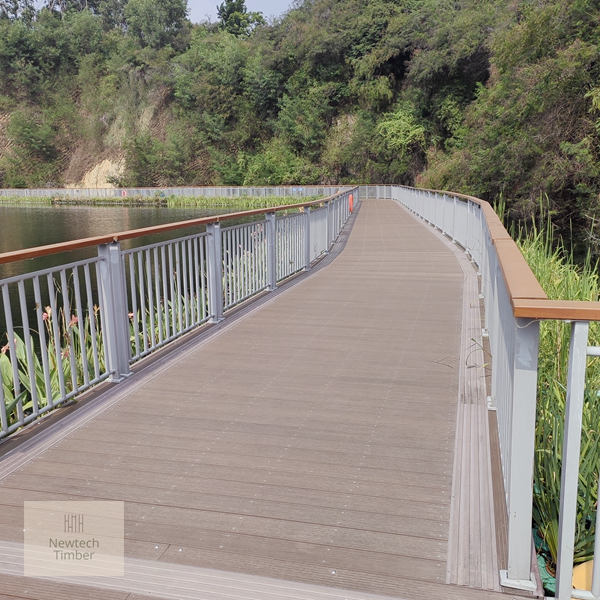
Overall, the performance of plastic wood materials in outdoor environments positions them as a smart investment for anyone looking to enhance their exterior spaces. With their unique blend of durability, aesthetic versatility, and low maintenance requirements, plastic wood deck materials stand out as a premier option in the decking market.

