Applications of Composite Cladding in Residential Gardens
Composite cladding is an increasingly popular choice for enhancing the aesthetics and protection of exterior walls in residential gardens. Its versatility allows homeowners to create stunning facades that complement natural settings. The durability of composite materials against the elements means that they remain vibrant and functional for years, making them ideal for garden structures like pergolas and outdoor kitchens. Furthermore, composite cladding is resistant to moisture, which prevents warping and rot, ensuring that garden features retain their integrity even in wet climates.
In addition to enhanced visual appeal, the use of composite cladding in residential gardens offers practical advantages such as reduced maintenance costs. Unlike traditional wood, composite materials do not require regular staining or sealing. This makes it a practical choice for families looking to beautify their outdoor spaces without the burden of extensive upkeep.
Enhancing Commercial Landscapes with Composite Cladding
In commercial landscapes, the application of composite cladding provides both functionality and style. Businesses such as cafes and shops can utilise composite cladding to create inviting exteriors that attract customers. The material’s resistance to fading and weathering ensures that the investment remains appealing over time. For instance, a restaurant might choose composite cladding to create an inviting terrace area that withstands seasonal changes while maintaining its aesthetic charm.
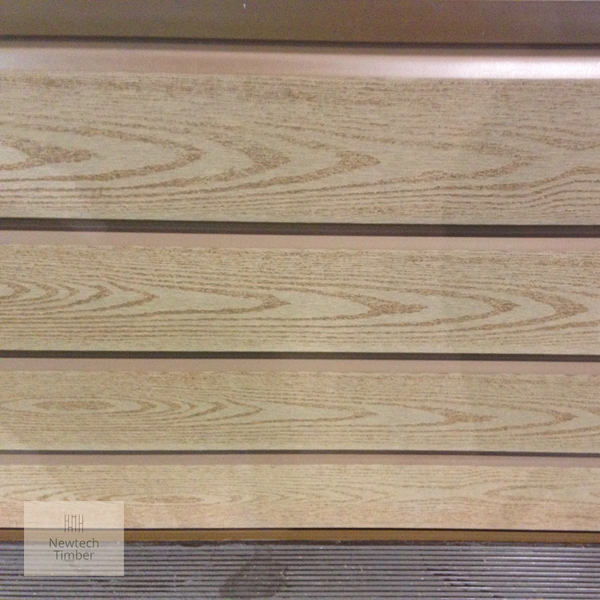
Moreover, the composite cladding’s insulating properties can contribute to energy efficiency, making commercial properties more sustainable. By using composite materials in areas exposed to direct sunlight, businesses can reduce heat absorption, leading to lower cooling costs in the warmer months. This dual benefit of aesthetics and functionality makes composite cladding a wise choice for commercial applications.
Hotels and Parks: Durable Solutions for Public Spaces
Composite cladding plays a significant role in the design and upkeep of hotels and public parks. For hotels, the exterior is a guest’s first impression. Using composite cladding can enhance a hotel’s facade with modern finishes that stand the test of time. It is particularly effective for poolside cabanas and outdoor dining areas, where a luxurious look is coupled with high resistance to water and UV exposure. This ensures that the spaces remain attractive and welcoming for guests throughout the year.
Parks also benefit from composite cladding applications. Structures like benches, kiosks, and restroom facilities can be clad in composite materials that offer low maintenance and high durability. These areas experience heavy foot traffic and exposure to nature, making the resilience of composite cladding a valuable asset. The variety of finishes available further allows for the integration of these structures into the natural landscape.
Balconies and Swimming Pool Areas: Style Meets Safety
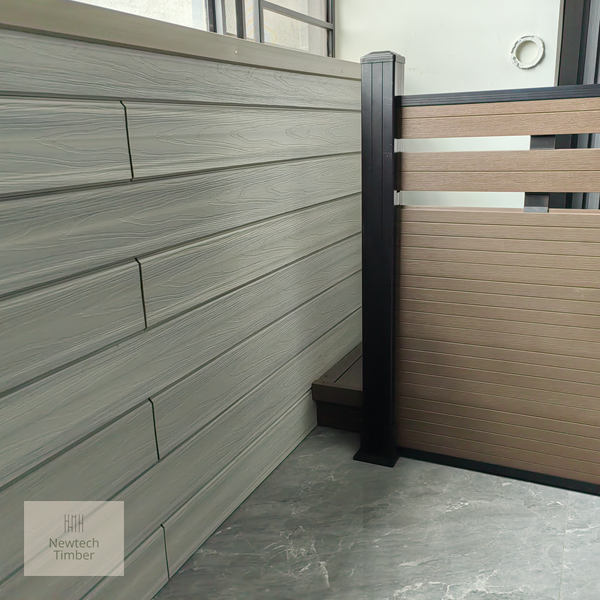
In residential and commercial settings, balconies and swimming pool areas are prime candidates for composite cladding. These spaces not only serve functional purposes but are also central to outdoor enjoyment. The non-slip surfaces of composite cladding help ensure safe movement in pool areas, while its aesthetic appeal can enhance the overall ambiance of the space, making it perfect for relaxation and gatherings. Homeowners can choose from an array of colours and textures to match their design vision.
Furthermore, the resistance of composite materials to splintering and cracking adds an element of safety, making it a reliable choice for families with children or guests. Using composite cladding around these leisure spaces not only elevates their appearance but also guarantees long-lasting quality that withstands the rigours of outdoor use.
Public Facilities: A Sustainable Choice for Urban Development
Composite cladding serves a critical function in the construction of public facilities such as community centres and sports complexes. The eco-friendly nature of many composite materials aligns well with the growing trend towards sustainable building practices. These materials often contain recycled components and require less energy for production compared to traditional materials, contributing positively to environmental conservation efforts.
Public facilities benefit from the durability and low maintenance that composite cladding offers. In environments where high traffic and adverse weather conditions are common, integrating composite materials into building designs can significantly reduce renovation and repair costs. The combination of sustainability and functionality makes composite cladding a preferred choice for urban planners and architects looking to create modern, resilient public spaces.

