The Composition of Core Decking WPC
Core decking WPC (Wood Plastic Composite) presents a unique opportunity for outdoor projects, combining the aesthetically pleasing qualities of wood with the durability of plastic. As a WPC formulation development engineer, I focus on creating formulations that balance wood fiber content and plastic ratios to achieve optimal performance. The blend generally consists of a carefully calculated percentage of wood fibres, typically ranging from 40% to 70%, and thermoplastics, such as polyethylene or polypropylene, which serve as the matrix. This specific combination not only enhances the visual appeal reminiscent of natural wood but also grants resistance to moisture, insects, and decay, making it ideal for outdoor applications.
The role of additives cannot be understated. Integrating UV stabilisers helps protect the surface from fading due to sun exposure, while anti-fungal agents can prolong the life of the decking by preventing mould growth. Furthermore, coupling agents can improve the bond between wood and plastic, enhancing mechanical properties and overall resilience. Cost control is essential in this process, as higher quality materials and additives can significantly impact the final price, yet they are crucial for producing a long-lasting product.
Performance Characteristics of Core Decking WPC
When designing core decking WPC, we must also focus on its performance characteristics. One of the most significant advantages is its durability. Compared to traditional wood, WPC does not warp, splinter, or crack easily, which is a major concern in outdoor applications. This durability translates to a longer product lifespan, often exceeding that of conventional decking options. Additionally, core decking WPC is lightweight, easing transportation and installation, which can be a critical factor for contractors and builders.
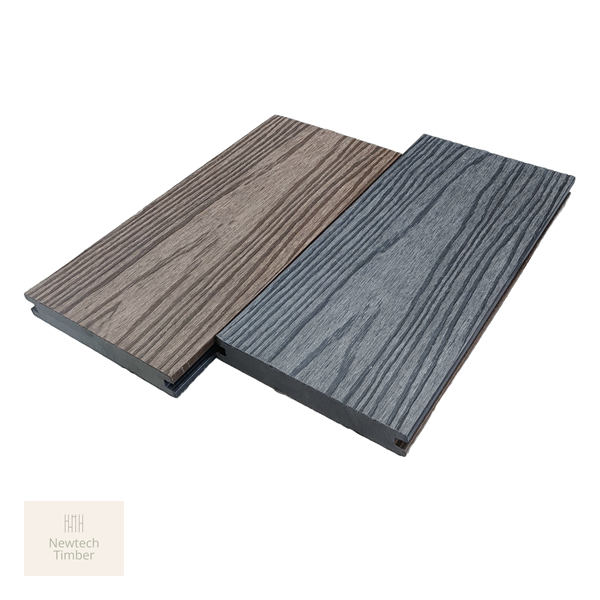
The slip resistance of core decking is another key consideration. Outdoor projects often face wet conditions, and designing for safety is paramount. By incorporating specific textures on the surface and selecting the right blend of materials, we can achieve a product that maintains traction even in adverse weather. This feature not only improves user experience but also reduces liability for property owners and builders.
Economic Considerations in WPC Design
While superior performance characteristics are critical, economic factors also play a significant role in the formulation of core decking WPC. The cost of raw materials fluctuates, making it essential to maintain a balance between quality and price. A careful assessment of the market trends can guide decisions on the types of wood fibres and plastics to use. Sourcing sustainable materials can also enhance the appeal of the product, aligning with growing consumer demands for environmentally friendly building solutions.
Additionally, production methods impact cost efficiency. Advanced extrusion techniques can streamline the manufacturing process, leading to lower operational costs. By optimising these processes, we can produce high-quality WPC decking that remains competitively priced, ensuring that it appeals to a broader market without compromising on performance.
Environmental Impact and Sustainability
Core decking WPC is not only engineered for performance but also designed with sustainability in mind. The use of recycled materials in WPC formulations reduces waste and lowers the demand for virgin resources. This approach resonates well with environmentally conscious consumers and organisations, promoting a greener alternative to traditional lumber. Furthermore, the longevity of WPC products means less frequent replacements, ultimately leading to a lower overall environmental footprint.
As a WPC formulation development engineer, contributing to the advancement of sustainable building materials is a significant motivation. By continuously refining our formulations, we strive to improve the performance while minimising the ecological impact, thereby paving the way for future innovations in the industry.
Innovations in WPC Formulations
Innovation remains at the core of WPC decking development. New additives and treatments are constantly being explored to enhance the properties of the composite. For instance, incorporating natural fibres such as bamboo or kenaf can improve strength while maintaining the bio-based aspect of the product. Additionally, research into bioplastics presents another avenue for creating more sustainable options without sacrificing performance.
Future advancements may also involve smart technology integration, allowing for the development of WPC that can monitor environmental conditions or provide feedback on wear and tear. Such innovations would not only elevate the user experience but also enable proactive maintenance, ultimately extending the life of outdoor structures.

