Contemporary Aesthetics with WPC Slatted Cladding
The emergence of WPC slatted cladding in modern design encapsulates a shift towards blending functionality with aesthetics in outdoor spaces. The sleek lines and refined profiles of slatted cladding create a dynamic visual rhythm that enhances the overall appeal of buildings and landscapes alike. With an increasing focus on sustainable materials, the choice of WPC, a composite of wood and plastic, offers the perfect solution for architects and designers aiming for elegance without compromising on durability.
Modern design trends reveal a growing preference for natural textures and earthy colours. WPC slatted cladding can mimic the rich hues and grains of traditional wood while providing resistance to fading and wear. This versatility allows designers to create stunning facades that remain vibrant year after year. The clean and minimalist look of slatted cladding aligns perfectly with the contemporary ethos, where less is often more, promoting a sense of calm and sophistication.
Enhancing Outdoor Spaces with Versatile Profiles
The profiles available for WPC slatted cladding are diverse, catering to various architectural styles and personal tastes. From narrow, elongated slats that lend a more elongated facade to wider boards that provide a bolder statement, the choices are extensive. Such variety ensures that designers can achieve their desired look while enhancing the functionality of the space. Beyond decorative use, these profiles contribute to effective rainwater management and ventilation, crucial for maintaining the longevity of outdoor structures.
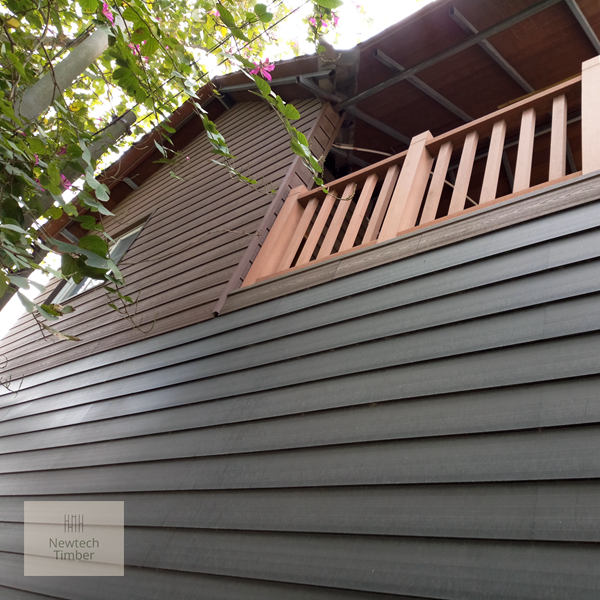
Furthermore, the modular nature of WPC slatted cladding simplifies installation, allowing for quick assembly and adaptability. This flexibility promotes efficient use of resources, considerably reducing waste during construction. The ability to easily customise the installation process ensures that even complex designs can be achieved with relative ease, making it a favourite among outdoor WPC product designers.
Colour and Texture Trends
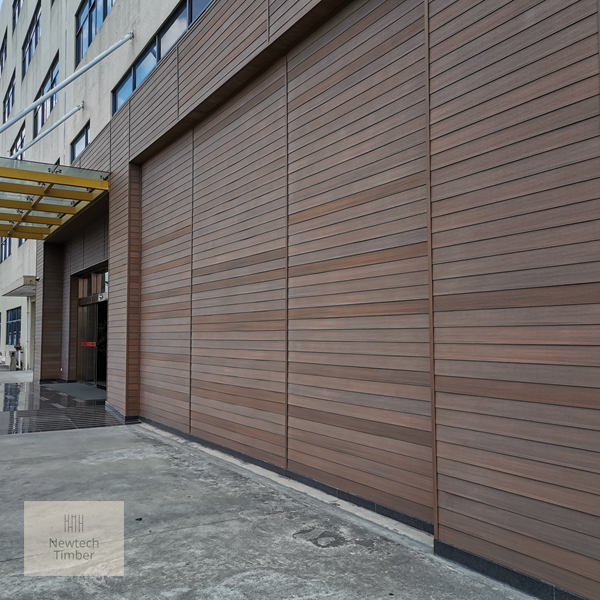
Colour plays a pivotal role in modern outdoor aesthetics, and WPC slatted cladding does not disappoint. The availability of various shades, from deep charcoal to warm earth tones, enables harmonious integration with the surroundings. Designers often select colours that complement the natural landscape, creating a seamless transition between built structures and nature. Additionally, textured finishes can enhance the tactile experience, inviting interaction and encouraging engagement with outdoor environments.
Textures can vary from smooth surfaces that create a sleek appearance to more rugged finishes that echo the beauty of natural wood. This adaptability allows designers to deliver a layered experience that pleases both the eye and the touch. The interplay of different textures and colours can transform mundane spaces into visually striking environments that evoke a sense of place and belonging.
Functionality in Outdoor Structures
WPC slatted cladding is not only about aesthetics; it also serves practical purposes. The material’s inherent resistance to moisture and pests makes it an ideal choice for outdoor structures like fences, pergolas, and gazebos. These features not only enhance the usability of outdoor areas but also contribute to the overall ambiance of residential and commercial spaces.
Moreover, when used in conjunction with other landscape elements, WPC slatted cladding can create coherent outdoor living spaces that are both functional and visually appealing. The incorporation of such materials into landscape designs fosters an environment where nature and architecture coexist harmoniously, promoting wellbeing and relaxation. Designers can maximise the utility of outdoor areas, providing spaces that encourage social interactions and outdoor gatherings.
Innovation and Sustainability in Design
The movement towards sustainability is more than just a trend; it reflects a growing awareness of our impact on the environment. WPC slatted cladding is a sustainable choice, combining recycled materials that reduce the need for virgin resources. This aspect resonates with both designers and consumers who are increasingly prioritising eco-friendly options. By opting for WPC, one not only embraces modern design but also contributes positively to environmental conservation.
Moreover, innovations in WPC technology continue to improve the performance and lifespan of these materials. With advancements in manufacturing processes, WPC slatted cladding is becoming increasingly durable while maintaining its aesthetic appeal. As outdoor designers, embracing these innovations allows us to push the boundaries of creativity while ensuring that our designs stand the test of time, marrying beauty with practicality in today’s environment-conscious society.

