WPC Wall Cladding and Decking: A Versatile Solution
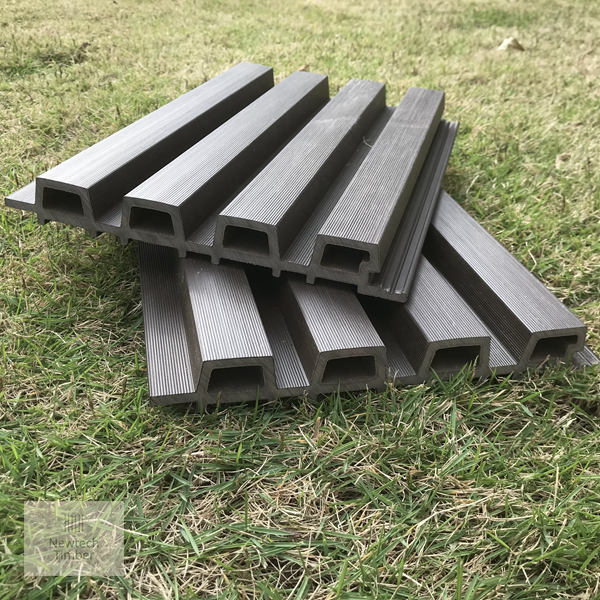
WPC wall cladding and decking have emerged as robust alternatives to traditional building materials, offering a blend of performance and aesthetic appeal for outdoor spaces. Made from a composite of wood fibres and plastic, WPC provides a solution that mimics the look of natural wood while delivering enhanced durability and lower maintenance. This versatility is particularly appealing in a time when sustainability and efficiency are paramount considerations in construction and design.
When comparing WPC to natural wood, one must consider several factors, including longevity, maintenance, and environmental impact. Natural wood, while visually appealing, is susceptible to warping, splitting, and insect damage, necessitating regular treatment and upkeep. In contrast, WPC wall cladding and decking are designed to withstand the elements, resisting moisture and UV degradation without the need for frequent treatments or sealants.
Durability and Maintenance Requirements
The durability of WPC wall cladding and decking is a significant advantage over traditional timber and aluminium. Unlike timber, which can require annual sanding, staining, and sealing, WPC’s inherent properties allow it to maintain its appearance with minimal intervention. Routine cleaning with soap and water is typically sufficient for upkeep, making it an accessible option for both residential and commercial applications.
Aluminium presents its own set of challenges. While it is resistant to rust and corrosion, aluminium can become hot to the touch in direct sunlight and may not provide the same warmth and aesthetic appeal as WPC or natural wood. Additionally, the cost of aluminium can be significantly higher than that of WPC, especially when considering the lifecycle costs associated with installation and maintenance.
Environmental Considerations
In today’s environmentally conscious market, the sustainability of materials plays a crucial role in their selection. WPC is manufactured using a blend of recycled materials, making it a more eco-friendly option compared to traditional timber, which often contributes to deforestation and habitat destruction. By utilising WPC wall cladding and decking, architects and builders can contribute to sustainable practices while still achieving high-quality aesthetics.
Furthermore, the production of WPC typically involves less energy and fewer chemicals than the processing of timber or aluminium, reinforcing its position as a sustainable alternative. The lifecycle of WPC not only supports environmental goals but also offers longevity that can reduce the frequency of replacements, thereby minimising waste.
Cost Analysis: WPC vs Traditional Materials
When evaluating the cost-effectiveness of WPC wall cladding and decking, it is essential to consider both initial investment and long-term expenses. The upfront cost of WPC can be comparable to that of high-quality timber; however, the savings on maintenance and replacement costs can make WPC more economical over time. Traditional timber often incurs ongoing expenses for treatment and repairs, while WPC’s durability means fewer interventions are required.
Moreover, the installation of WPC is typically straightforward, requiring less labour time compared to traditional materials. This efficiency can further reduce overall project costs, making WPC an attractive option for developers and homeowners alike.
Design Flexibility and Aesthetics
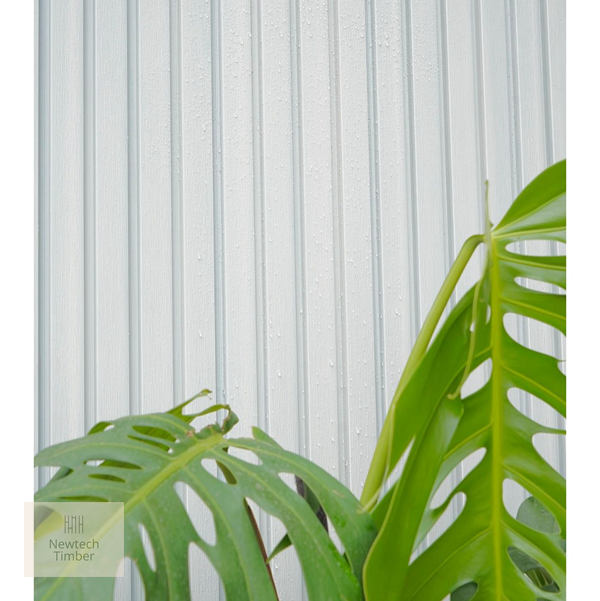
One of the standout features of WPC wall cladding and decking is its design flexibility. Available in a variety of colours, textures, and finishes, WPC can easily be tailored to fit diverse architectural styles and personal preferences. This adaptability allows designers to create cohesive outdoor spaces that seamlessly blend with the surrounding environment.
While natural wood offers undeniable beauty, its grain patterns and colouration can vary significantly, sometimes making it challenging to achieve a uniform look. WPC, on the other hand, can be manufactured to ensure consistent aesthetics across large installations, providing a polished finish that enhances any outdoor setting.
The integration of WPC wall cladding and decking into outdoor design presents a compelling case for modern construction. With a focus on durability, maintenance efficiency, environmental responsibility, and aesthetic appeal, WPC stands out as a leading choice for architects and builders. As the demand for sustainable building materials continues to grow, the advantages of WPC are likely to solidify its position as a preferred option for outdoor solutions.

