Export Packaging Design for WPC Decking Protection
As a packaging engineer for outdoor WPC products, I focus on creating transport systems that maintain product quality from the factory floor to overseas installation sites. Composite decking boards, wall panels, and decorative profiles often travel thousands of kilometres by sea, facing vibration, humidity, temperature changes, and repeated handling during loading and unloading. A suitable export package must protect the finished surface, preserve dimensional accuracy, and prevent damage that could affect installation performance.
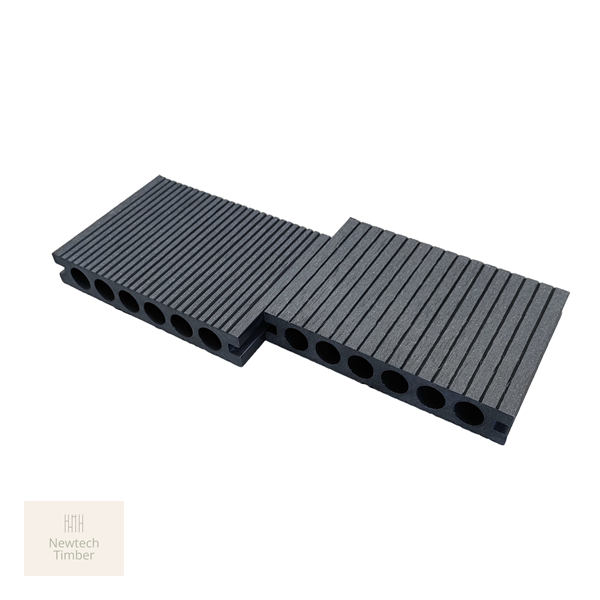
WPC factories usually begin packaging development by analysing the product structure, including board thickness, length, surface embossing, co-extrusion layers, and moisture sensitivity. For decking products, the packaging must stop boards from bending, rubbing against each other, or absorbing excessive moisture inside containers. This process is part of formula design for durable WPC products because the material performance achieved during production must be maintained throughout international transportation.
Material Selection for Long Distance Ocean Shipping
The choice of packaging materials directly affects the protection level of exported WPC products. Many factories combine strong cardboard cartons, protective foam sheets, plastic wrapping films, corner guards, and reinforced wooden pallets to create a stable packing structure. The design must balance protection, cost control, container utilisation, and environmental requirements from different markets.
For composite decking exports, packaging engineers examine how products compare in outdoor applications, including discussions around composite deck vs concrete patio solutions. While the final application differs, both systems require reliable long-term performance after installation. Poor packaging can damage decking edges or surfaces before the product reaches a project site, creating unnecessary waste and reducing customer confidence. Properly designed packages help ensure that the manufactured product arrives with the same quality achieved during extrusion.
Packaging Solutions for Decking Boards and Profiles
Decking boards require carefully calculated support points because long profiles can experience stress during transport. Packaging engineers arrange boards in layers with separators that prevent direct contact between decorative surfaces. The stack height, strap tension, and pallet structure are tested to avoid deformation during container movement. These details are especially important for large export orders where hundreds of packages may be transported together.
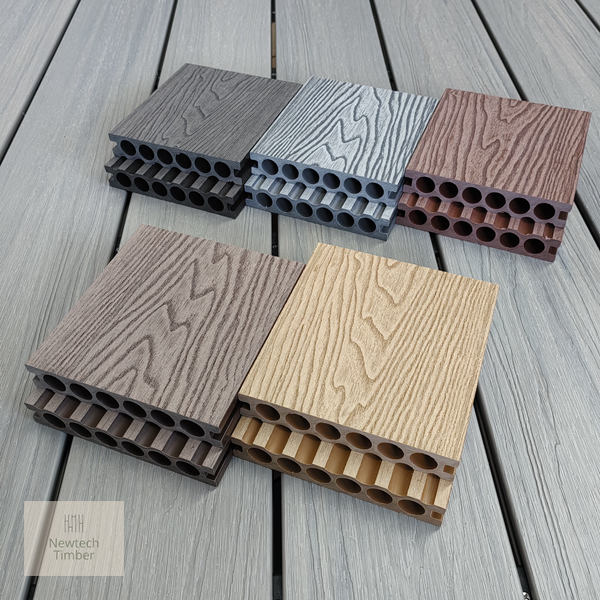
Wall panels and special WPC profiles require different packaging approaches because their shapes and surface finishes vary. Hollow profiles may need internal support to prevent crushing, while highly textured panels need additional protection against scratches. Factories also consider forklift operations, warehouse storage conditions, and the possibility of multiple transfers between ports and distribution centres. A professional packaging system supports product reliability beyond the manufacturing stage.
Quality Control Standards Before Container Loading
Before WPC products enter export packaging, quality teams inspect dimensions, surface appearance, moisture levels, and mechanical performance. Packaging engineers work closely with quality inspection supervisors to confirm that only approved products are packed. The package itself also undergoes checks, including drop testing, compression evaluation, and assessment of protection against humidity during storage.
For international customers, packaging information is often part of technical documentation. Export specialists may require clear labels showing product specifications, batch numbers, installation references, and handling instructions. These details help distributors, installers, and after-sales service teams identify products quickly and manage projects efficiently after arrival.
Optimising Container Space and Sustainable Packaging
International WPC suppliers must design packaging with container efficiency in mind. A well-planned package layout reduces unused space, lowers shipping costs, and decreases unnecessary material consumption. Engineers calculate carton dimensions, pallet sizes, and loading patterns according to standard shipping containers while maintaining enough protection for long journeys.
Sustainable building materials companies are also developing packaging methods with recyclable materials and reduced plastic usage. The challenge is maintaining protection while meeting environmental expectations from architects, contractors, and international buyers. Strong packaging engineering supports both commercial efficiency and responsible manufacturing practices.
Packaging Engineering Supports Global WPC Applications
Outdoor WPC products serve residential, commercial, and landscape projects across many regions. Export packaging must consider different climates, installation methods, and customer requirements. A decking board shipped to a coastal project may face different storage conditions from one delivered to an inland construction site, so packaging specifications are adjusted according to destination risks.
Factories that invest in advanced packaging design create stronger relationships with international partners. Reliable delivery helps protect brand reputation, reduce replacement costs, and support smooth installation for contractors and end users. From raw material quality control to final container loading, packaging engineering forms an important connection between WPC manufacturing and successful global projects.

