The Rise of Plywood Wall Panels in Exterior Construction
Plywood wall panels have become increasingly popular in various external building projects due to their versatility and aesthetic appeal. With the construction industry becoming more conscious of sustainability, the demand for materials that contribute positively to the environment has surged. Plywood wall panels, although composed of natural wood, often come under scrutiny regarding their environmental impact. This is primarily due to the processes involved in tree harvesting and plywood production, which can lead to deforestation if not managed responsibly.
In contrast, wood plastic composite (WPC) building materials, such as those offered by NewTech Timber, present a more sustainable alternative. These materials are crafted from a combination of recycled wood fibres and plastic, significantly reducing the need for virgin timber while simultaneously offering durability and aesthetic versatility.
Comparing Costs: Plywood Wall Panels Price vs WPC Solutions
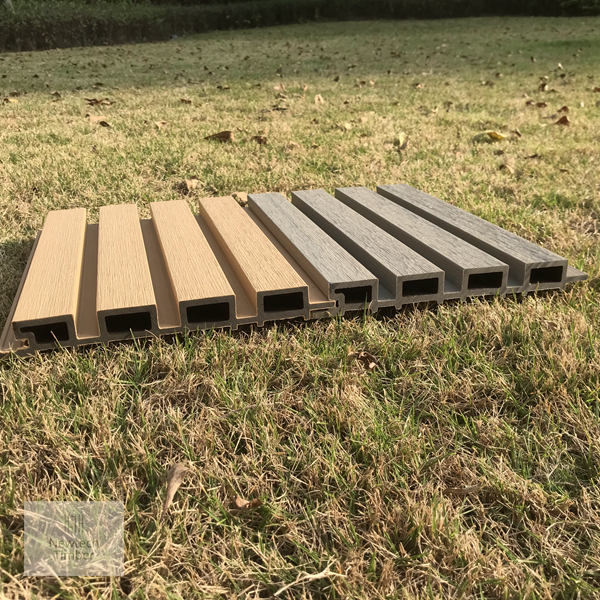
Wood plastic composites, while sometimes higher in initial price, offer significant long-term savings. Their resistance to rot, insects, and weathering means they require minimal upkeep and have a lifespan that can extend well beyond that of traditional plywood panels. This longevity can translate into substantial savings over time, making WPC an economically wise choice.
Sustainability Credentials: A Closer Look at WPC
Sustainability is at the forefront of many modern construction projects. Wood plastic composites not only reduce the reliance on timber but also utilise recycled materials, which is a significant factor in reducing waste within the industry. The incorporation of waste plastics in WPC manufacturing contributes to a circular economy, as it reuses materials that would otherwise end up in landfills.
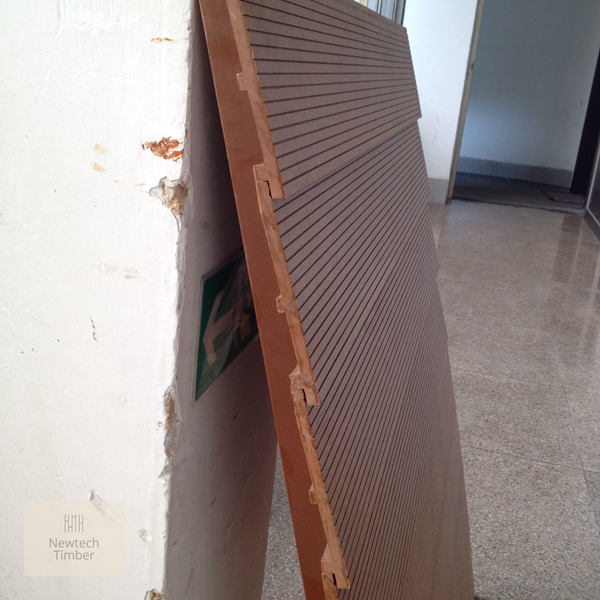
Furthermore, opting for WPC can significantly decrease the carbon footprint associated with construction. The production process for plywood often involves significant emissions due to the energy-intensive nature of its manufacturing. In contrast, WPC production tends to be more energy-efficient and environmentally friendly, aligning with the growing emphasis on sustainability in building practices.
Recyclability and End-of-Life Options
Another critical aspect of sustainability is the recyclability of materials at the end of their life cycle. Traditional plywood can pose challenges for recycling, as it is often treated with chemicals and adhesives that make it unsuitable for composting or other disposal methods. This can lead to increased landfill waste, further complicating the environmental impact of using plywood wall panels.
On the other hand, wood plastic composites are designed with recyclability in mind. Many WPC products can be processed and repurposed at the end of their lifespan, contributing to a more sustainable life cycle. This characteristic not only reduces waste but also supports an environmentally responsible construction ethos, making WPC an attractive option for those prioritising sustainable building practices.
Future Trends in Sustainable Building Materials
As the construction industry continues to evolve, the shift towards sustainable materials like wood plastic composites is likely to gain momentum. This trend is driven by both consumer demand and regulatory pressures aimed at reducing the environmental impact of construction. It is crucial for builders, architects, and homeowners to stay informed about the latest innovations in building materials and to consider the long-term implications of their choices.
As potential customers compare plywood wall panels price with that of WPC products, it becomes increasingly evident that the latter offers a compelling combination of sustainability, durability, and cost-effectiveness. As awareness about the importance of choosing environmentally responsible materials grows, wood plastic composites may soon become the preferred choice for both residential and commercial projects.

