The Importance of Weather Resistance in Composite Decking
Choosing the best composite decking for full sun exposure necessitates a comprehensive understanding of the materials available and their ability to withstand harsh weather conditions. Composite decking, made from a blend of recycled wood and plastic, stands out due to its superior resistance to fading, warping, and cracking, especially when exposed to direct sunlight. Unlike traditional wood decking, which can splinter and deteriorate over time, quality composite materials maintain their aesthetic appeal and structural integrity, ensuring that outdoor spaces remain inviting and functional.
Weather resistance is not just about durability; it also influences the longevity of the installation. High-quality composite decking products are designed to endure the elements, providing homeowners and businesses with a reliable solution for outdoor environments that experience extreme weather. This resilience can be attributed to the advanced manufacturing processes that create tightly bonded materials, minimising the potential for damage caused by UV rays, moisture, and temperature fluctuations.
Sustainability: A Core Advantage of Composite Materials
The production of composite decking materials aligns closely with sustainable practices, making them an eco-friendly choice for construction projects. NewTech Timber’s commitment to utilising recycled materials in their composite products significantly reduces the demand for new lumber, thereby helping to protect forests and decrease deforestation rates. By incorporating recycled wood fibres and high-density polyethylene, these materials not only promote recycling but also contribute to the reduction of waste in landfills.
Using recycled content in composite decking not only addresses environmental concerns but also reduces the carbon footprint associated with the manufacturing process. Choosing products made from post-consumer materials demonstrates a responsible approach to construction and landscaping, appealing to environmentally conscious consumers and businesses. This commitment to sustainability fosters a healthier planet while ensuring quality and performance.
Recyclability and Lifecycle of Composite Decking
Another compelling reason to select composite decking is its recyclability, which is a significant aspect of its sustainability credentials. Unlike traditional materials that may end up as waste after their life cycle, composite decking can be repurposed and recycled into new products. This circular approach not only conserves resources but also reduces the overall environmental impact of construction projects.
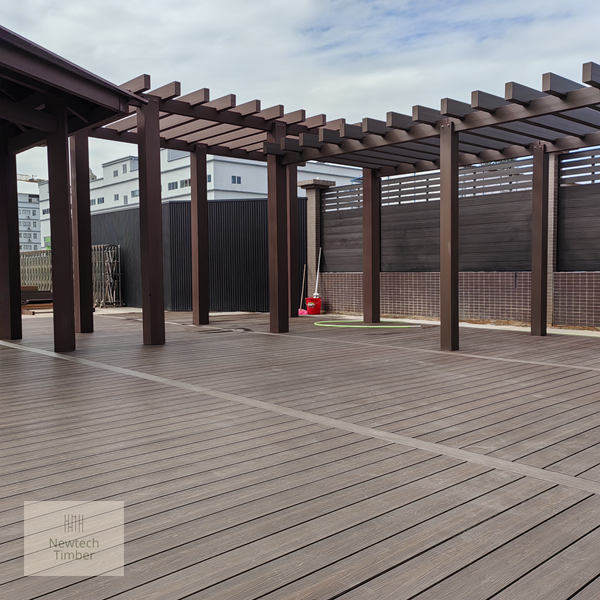
When a composite decking installation reaches the end of its life, it can be collected and processed, allowing it to re-enter the manufacturing cycle. This feature enhances the appeal of composite materials to those looking to create eco-friendly spaces. By choosing composite decking, homeowners and businesses are not just investing in an attractive outdoor solution; they are also supporting a system that values resource efficiency and environmental stewardship.
Performance in Full Sun: Key Features to Consider
When searching for the best composite decking for full sun exposure, several performance features should be taken into account. Look for products that boast UV inhibitors, which prevent fading and discolouration over time, ensuring that the decking maintains its rich, vibrant appearance even under the harshest sunlight. Additionally, select materials that provide excellent slip resistance, particularly for hot summer days when surfaces can become dangerously slick.
Another important characteristic to consider is the thermal stability of the decking. High-quality composite materials are engineered to resist thermal expansion and contraction, which can lead to warping or buckling. This stability is essential for maintaining a safe and level surface for all types of outdoor activities, from family gatherings to commercial events.
Enhancing Outdoor Spaces with Aesthetic Appeal
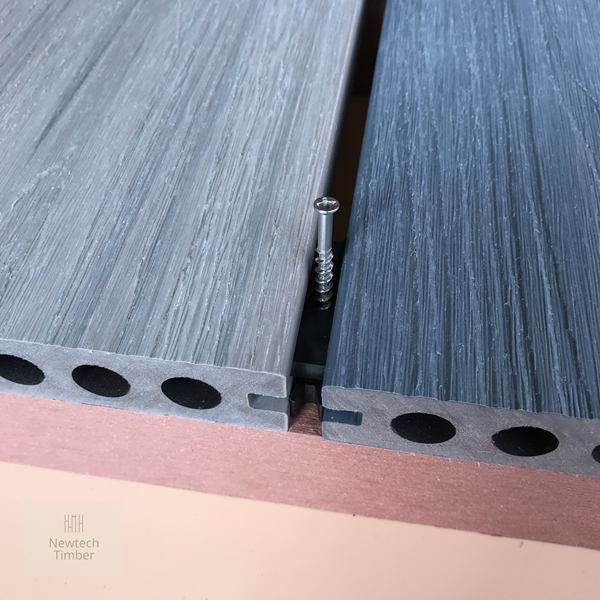
Utilising composite decking not only elevates the aesthetic of residential and commercial projects but also promotes a commitment to environmental responsibility. This combination of beauty and sustainability makes composite materials an attractive choice for landscape designers, architects, and contractors looking to create stunning outdoor environments that stand the test of time.

