The Sustainable Composition of Wood Plastic Composite Cladding
Wood plastic composite cladding is rapidly gaining popularity among environmentally conscious homeowners and builders alike. At NewTech Timber, our WPC products are crafted from a unique blend of recycled wood fibres and high-quality plastics, creating a material that not only looks stunning but also contributes to substantial environmental benefits. By utilising recycled materials, we significantly reduce the demand for virgin timber, thus helping to combat deforestation and preserve natural ecosystems.
The process of producing our wood plastic composite cladding involves transforming waste materials that would otherwise contribute to landfill. This innovative approach not only conserves valuable resources but also ensures that every installation of our cladding helps to divert waste from the environment, promoting a circular economy. As consumers become more mindful of their ecological footprint, our cladding stands out as an exemplary choice for sustainable building materials.
Reduced Deforestation Through Innovative Practices
One of the significant advantages of choosing wood plastic composite cladding is its role in reducing deforestation. Traditional timber harvesting often leads to severe ecological consequences, including habitat destruction and loss of biodiversity. By opting for our WPC products, builders and homeowners can help mitigate these impacts. The use of recycled materials means that for every square metre of cladding installed, there is less pressure on forests and woodlands. This shift not only preserves trees but also promotes healthier ecosystems.
NewTech Timber is committed to responsible sourcing and sustainable manufacturing practices. Our cladding materials are not only made from recycled content but are also designed to last longer than traditional wood products. This longevity means fewer replacements and renovations over time, resulting in a lower overall environmental impact.
Recyclability and the Future of Wood Plastic Composite
Another compelling feature of wood plastic composite cladding is its recyclability. Unlike conventional building materials that may end up in landfills after their life cycle, our WPC products can be recycled and repurposed into new materials. This characteristic resonates with the growing trend towards sustainable building practices, appealing to environmentally responsible consumers. At NewTech Timber, we are dedicated to ensuring that our products do not contribute to environmental degradation at any stage of their life cycle.
Every installation of our wood plastic composite cladding embodies a commitment to sustainability. As more builders and homeowners prioritise eco-friendly materials, the recyclability of our products positions them as an ideal choice for modern construction. Investing in WPC cladding means choosing a product that can continue to serve a purpose long after its initial use.
Stylish Aesthetics That Do Not Compromise on Sustainability
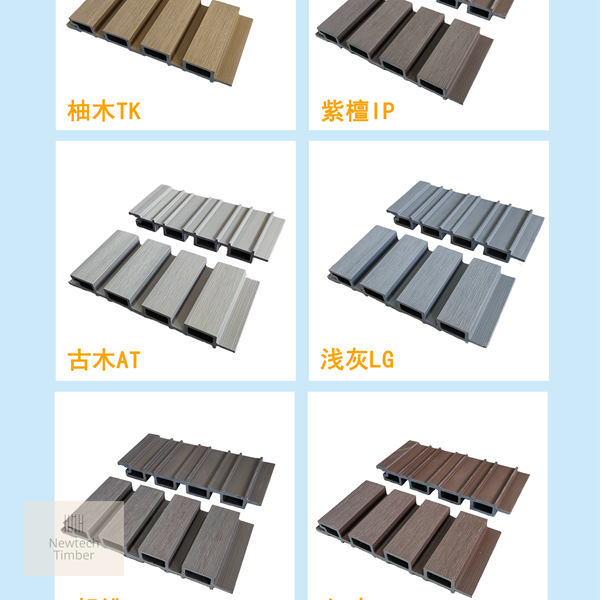
Choosing wood plastic composite cladding does not mean sacrificing style for sustainability. Our range of WPC products is available in various colours, textures, and finishes, allowing homeowners to achieve their desired aesthetic without compromising their environmental values. The beauty of natural wood can be replicated with the added benefits of durability and low maintenance, giving you the best of both worlds.
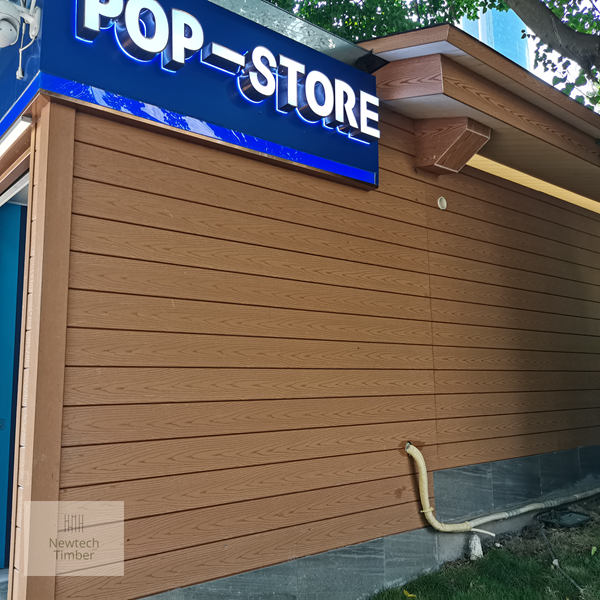
NewTech Timber’s commitment to innovation means that our designs are not only visually appealing but also engineered to withstand the elements. Unlike traditional wood, which can warp, rot, or fade over time, our cladding maintains its integrity and appearance, making it an intelligent choice for any outdoor project.
Environmentally Responsible Building with NewTech Timber
By choosing NewTech Timber’s wood plastic composite cladding, you are making a conscious decision to support sustainable building practices. Our products are designed for longevity, reducing the need for frequent replacements and conserving resources over time. Furthermore, with the increasing awareness of climate change and environmental issues, selecting eco-friendly materials becomes an essential part of modern construction.

