The Rise of WPC Decking
Decking in WPC, or wood plastic composite, has emerged as a popular choice for outdoor living spaces, offering both aesthetic appeal and environmental benefits. This innovative material combines recycled wood fibres and high-density polyethylene, resulting in a product that not only mimics the look of natural wood but also provides superior durability. Unlike traditional timber, WPC decking is resistant to rot, splitting, and warping, making it an ideal solution for homes exposed to the elements.
With more homeowners prioritising sustainability, WPC decking stands out due to its recycled composition. By utilising recycled plastics and wood materials, NewTech Timber contributes to the reduction of waste in landfills and diminishes the need for virgin timber. This approach not only preserves our forests but also promotes a circular economy, where materials are reused and repurposed rather than discarded.
Environmental Benefits of WPC Decking
The environmental impact of decking materials cannot be understated. Traditional timber decking often leads to deforestation, threatening ecosystems and biodiversity. In contrast, WPC decking is crafted from recycled materials, significantly reducing the demand for fresh timber. This shift not only helps protect natural habitats but also mitigates the carbon footprint associated with timber production, from tree felling to transportation.
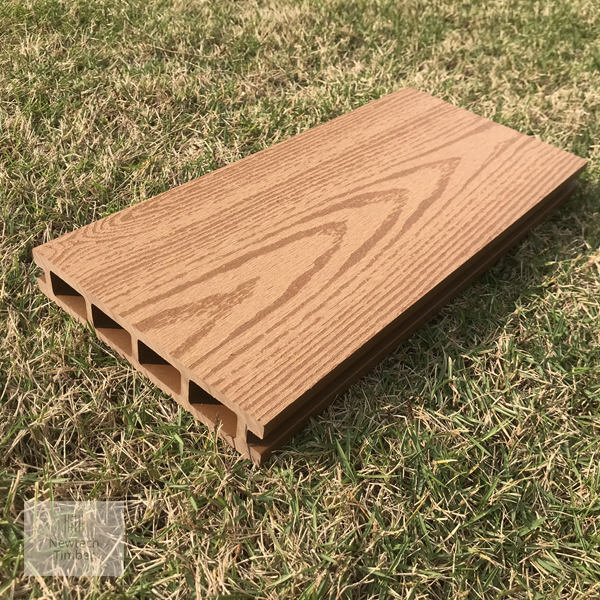
Furthermore, the manufacturing process of WPC decking is designed with sustainability in mind. The use of recycled materials means that less energy is consumed compared to producing new plastic or wood products. WPC decking is also entirely recyclable at the end of its life cycle, allowing it to be repurposed into new products, thus closing the loop on material waste. This recyclability is a vital aspect of its eco-credentials, making it a responsible choice for homeowners looking to diminish their environmental impact.
Durability and Low Maintenance
Durability is another standout feature of decking in WPC. Unlike traditional wood, which requires regular maintenance, staining, or sealing to preserve its condition, WPC decking is designed to withstand the rigours of outdoor usage with minimal upkeep. It is impervious to moisture and resistant to mould and mildew, ensuring that your outdoor space remains pristine without the need for frequent treatments. This not only saves time but also reduces the environmental impact associated with chemical maintenance products.
Additionally, WPC decking does not splinter, making it a safer option for families with children and pets. Its slip-resistant surface also adds an extra layer of safety, especially in wet conditions. These attributes combine to create a beautiful outdoor space that is both functional and sustainable, enhancing the quality of life for its users while remaining environmentally friendly.
Versatility in Design
The versatility of WPC decking extends beyond its sustainability and durability. Available in a wide range of colours and finishes, it can seamlessly blend with various architectural styles, from modern to rustic. Whether you are designing a tranquil garden retreat, an elegant patio, or a lively entertainment area, WPC decking can meet diverse design needs while preserving the natural beauty of your landscape.
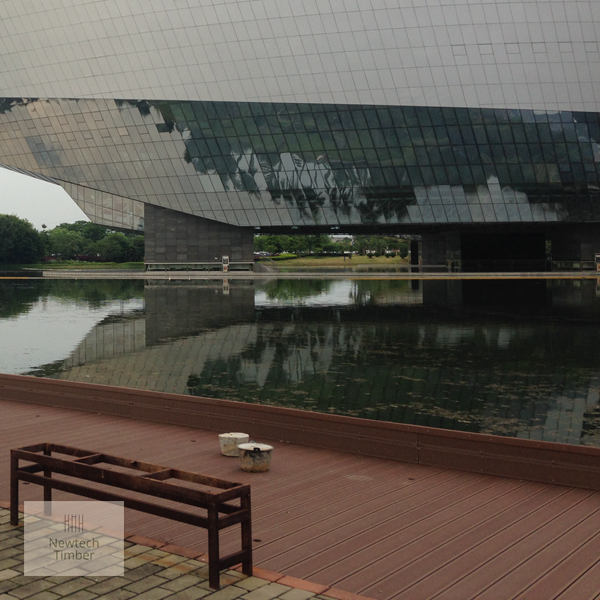
Moreover, WPC materials lend themselves well to creative outdoor features. Beyond decking, they can be used to create stylish fencing, railings, pergolas, and gazebos, allowing homeowners to maintain a cohesive aesthetic throughout their outdoor space. The ability to customise these elements means that every installation can be uniquely tailored to the individual homeowner’s vision, ensuring that their outdoor environment reflects their personal style.
Making the Sustainable Choice
Incorporating WPC decking into your outdoor projects not only enhances your property but also contributes to a healthier planet. By opting for materials that prioritise sustainability, homeowners can enjoy the beauty and functionality of their outdoor spaces while actively participating in the preservation of the environment.

