Common Installation Errors with Plastic Wood
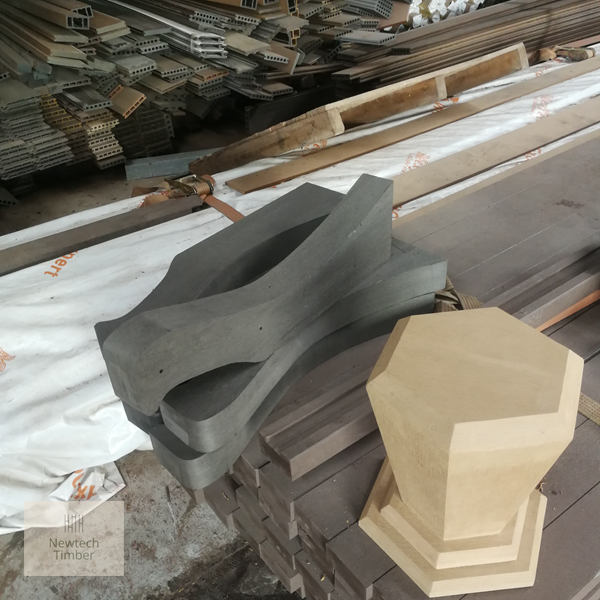
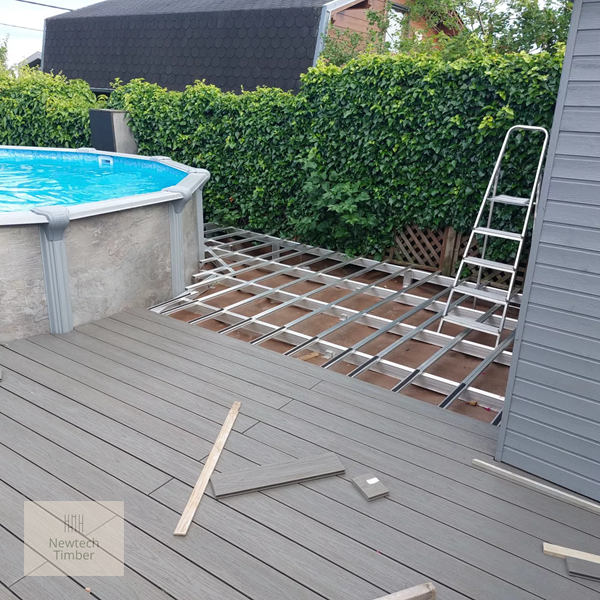
When engaging in outdoor construction applications, particularly with plastic wood, installation errors can frequently arise. One of the most common issues is improper spacing between boards. As plastic wood can expand and contract with temperature fluctuations, maintaining adequate spacing is essential to prevent buckling or warping. It is recommended to leave a small gap, typically around 5 mm, between boards to accommodate this expansion. Failing to do so may lead to significant issues down the line, including compromised structural integrity.
Another frequent mistake occurs during the alignment of boards. It is vital to ensure that the boards are level and aligned correctly as any misalignment can not only affect the aesthetic appeal but also the structural performance of the installation. As an after-sales service engineer, I often see the consequences of rushed installations. Taking the time to meticulously verify alignment can save clients from future headaches.
Addressing Colour Differences
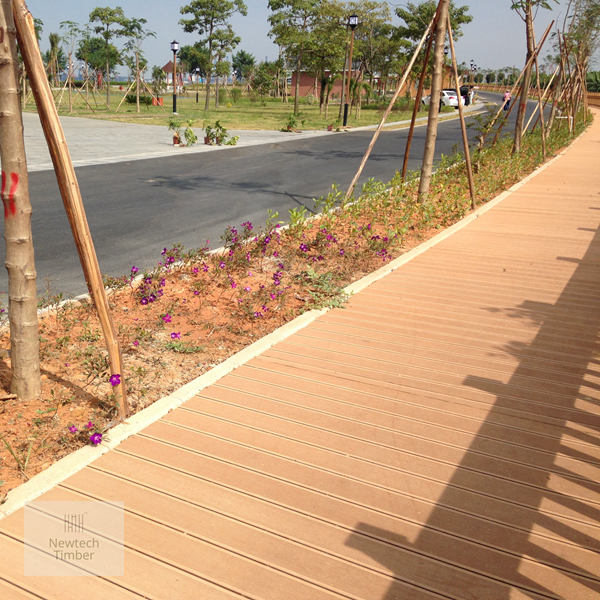
Colour differences in plastic wood products can sometimes pose a challenge, especially when multiple batches are used for a single project. Variations may occur due to different production runs or exposure to varying environmental conditions. To mitigate this issue, it is advisable to mix boards from different packs before installation. This can help create a more uniform appearance throughout the project.
In some cases, clients may also notice discolouration after installation. While plastic wood is engineered for outdoor use and generally resistant to fading, prolonged exposure to harsh sunlight can still impact its colour. Regular maintenance, including washing with mild detergents, can help minimise fading and maintain the visual appeal of the plastic wood.
Expansion Issues in Outdoor Environments
One of the concerns that often arises with plastic wood is its expansion and contraction properties. Changes in temperature and humidity can lead to expansion, which, if not accounted for during installation, may cause the boards to warp or buckle. It is essential to educate clients about the natural behaviour of plastic wood and to advise them on using appropriate fastening systems that allow for movement.
Additionally, using the right installation techniques such as avoiding over-tightening of screws can help alleviate these expansion issues. Proper education and thorough guidance during the installation process can prevent most problems related to expansion and ensure long-term satisfaction with the product.
Surface Scratches and Their Remedies
Plastic wood is designed to be durable; however, it is not entirely scratch-proof. Surface scratches may occur, particularly in high-traffic areas. It is important for clients to understand that while minor scratches are often unavoidable, they can be treated effectively. Light scratches can frequently be removed by lightly sanding the affected area and then applying a suitable plastic wood cleaner to restore the surface.
For deeper scratches, clients may need to consider using a colour-matching filler designed specifically for plastic wood materials. This can help blend the repair with the surrounding area, making the scratch less noticeable. Educating clients on proper care and handling can significantly reduce the occurrence of surface scratches.
Maintenance Requirements for Longevity
Regular maintenance is crucial for preserving the integrity and appearance of plastic wood in outdoor construction applications. Unlike traditional wood, plastic wood does not require staining or sealing. However, routine cleaning is essential to prevent dirt buildup and maintain its aesthetic appeal. Using a mild soap and warm water solution is generally sufficient to keep the surface clean.
Moreover, clients should be advised to regularly inspect their installations for any signs of wear or damage. This proactive approach allows for early detection of issues, ensuring that any necessary repairs can be made before they escalate. Providing clients with a clear maintenance schedule can help extend the life of their plastic wood installations, ensuring they remain strong and visually appealing for years to come.