Dimensional Accuracy in Wood Plastic Composite Panels
Dimensional accuracy is vital in ensuring that wood plastic composite panels fit seamlessly into their designated spaces during installation. Each panel undergoes meticulous measurements to confirm that its length, width, and thickness conform to the specified standards. Variations can lead to improper fittings and can compromise the aesthetic appeal of the exterior building decoration. Advanced measuring tools are employed to check the dimensions, ensuring that each panel meets stringent tolerances. Engineers conduct tests at various points in the manufacturing process to ensure consistency throughout production, allowing for a reliable final product.
Testing for Density
Density is a key characteristic that impacts the durability and performance of wood plastic composite panels. A high-density panel typically exhibits better strength and resilience against environmental factors. During quality inspections, samples from each batch are weighed and measured to ascertain their density. This measurement is crucial as it directly influences the product’s resistance to moisture and its overall stability. Panels that do not meet the required density specifications may be rejected, ensuring that only the highest quality materials are shipped to clients. This rigorous testing process safeguards against future failures that could arise from subpar materials.
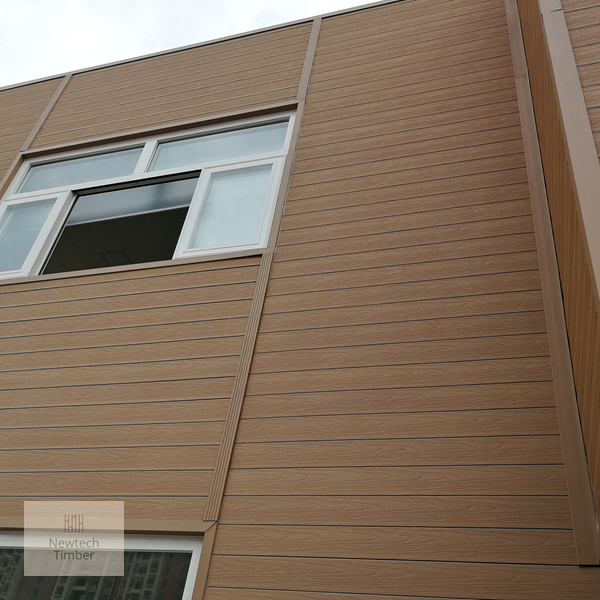
Evaluating Impact Resistance
The ability of wood plastic composite panels to withstand impact is essential, especially in buildings exposed to harsh weather conditions or high-traffic environments. Impact resistance tests simulate potential stresses that the panels may encounter. Using a drop-weight test, panels are subjected to varying levels of force to assess their ability to absorb energy without cracking or damaging. The results of these tests are documented to ensure that only panels with adequate impact resistance are approved for shipment. This aspect of quality control is critical in preventing costly repairs or replacements after installation.
Water Absorption Testing
Wood plastic composite panels are designed to resist moisture, making water absorption testing an integral part of the quality inspection process. High water absorption rates can lead to swelling, warping, or mould growth, undermining the integrity of the panels. Samples undergo a prescribed soaking period, after which their weight is measured to determine the percentage of water absorbed. This data is crucial for assuring customers that the panels will maintain their structural performance in wet conditions. Low water absorption rates indicate a well-manufactured product, providing confidence in the panel’s longevity.
Assessing Colour Stability
Exterior applications require that wood plastic composite panels maintain their colour over time to ensure a visually appealing finish. Colour stability tests expose samples to ultraviolet light and environmental conditions that mimic long-term exposure. By comparing colour samples before and after exposure, inspectors can evaluate how well the panels resist fading. Products that pass this inspection retain their original hues and resist discolouration, which is particularly important for clients looking for enduring aesthetic quality. This thorough testing guarantees that the panels will continue to enhance the appearance of a building for many years.
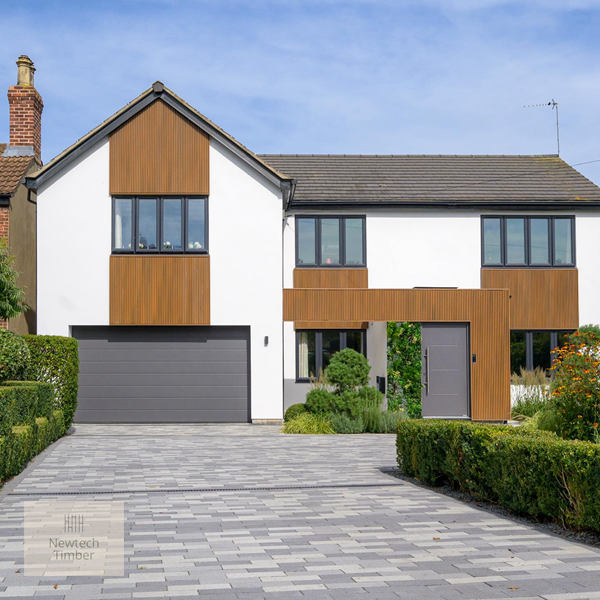
Checking Bending Strength
Bending strength is a crucial factor that defines the structural integrity of wood plastic composite panels. Insufficient bending strength can lead to failures in load-bearing applications, compromising safety and performance. During quality inspections, bending tests are performed using standardised equipment. Panels are subjected to increasing loads until they reach their breaking point, providing vital data on their load-bearing capabilities. This information ensures that only panels with adequate bending strength are released into the market, thereby protecting both the installations and the end-users.
Final Appearance Inspection
Beyond mechanical properties, the aesthetic quality of wood plastic composite panels is equally important. The final appearance inspection focuses on identifying any visual defects such as scratches, discolourations, or inconsistent textures. Trained inspectors conduct a thorough visual examination under controlled lighting conditions to ensure that each panel meets the required standards of appearance. This process is crucial as it directly impacts the customer’s satisfaction and the overall success of the product in enhancing exterior building decoration. Panels that do not meet the visual standards are flagged for rework or rejection, ensuring that only flawless products reach the market.

