Common Installation Errors
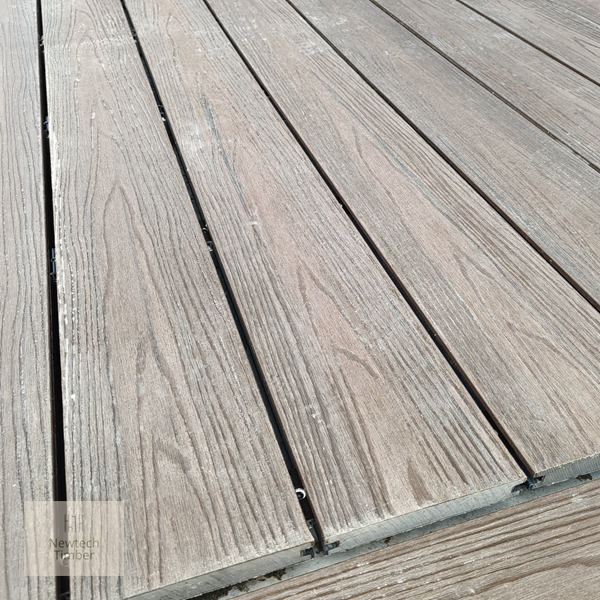
When purchasing composite decking for sale, one might overlook the importance of precise installation. Many customers report issues stemming from improper alignment of boards or inadequate spacing, which can lead to warping and gaps. It is essential to ensure that the joists are level and spaced according to the manufacturer’s guidelines. Misalignment can not only affect the aesthetic appeal of the decking but may also result in structural integrity issues. An easy tip is to use a chalk line for alignment and ensure that you follow the gap recommendations between planks, which varies based on the material’s thermal expansion properties.
Another frequent error arises from the use of incorrect fasteners. For composite decking, it is recommended to use screws designed specifically for this material. Using standard wood screws can lead to stripping or cracking of the decking boards. Always check that the screws are of the appropriate length and corrosion-resistant to ensure durability.
Addressing Colour Differences
Colour discrepancies are a common concern when clients receive their composite decking. These variations can arise due to differences in manufacturing batches or the exposure to sunlight over time. While manufacturers strive for consistency, slight variations are often inevitable. To mitigate this, it is advisable to purchase all necessary boards from the same batch. If you notice colour differences upon installation, consider intermixing boards from different packs to create a more uniform look across your decking area.
For those already experiencing noticeable colour changes, applying a specially formulated composite cleaner can help restore the original hue. However, be cautious and always test on a small area first to avoid unwanted results.
Expansion and Contraction Issues
Composite materials are subject to thermal expansion and contraction, which can be a source of frustration for many homeowners. When insufficient gaps are left between the boards, especially in hot weather, you may notice buckling or warping. It is critical to consult the manufacturer’s guidelines regarding spacing requirements. Generally, leaving a gap of around 6 to 10 millimetres between the boards is advisable.
In colder climates, the boards may contract more than expected. This can lead to gaps appearing between the boards, which can be unsightly. Regularly monitoring your decking and ensuring that it is installed with ample spacing can help mitigate these issues significantly.
Surface Scratches and Maintenance
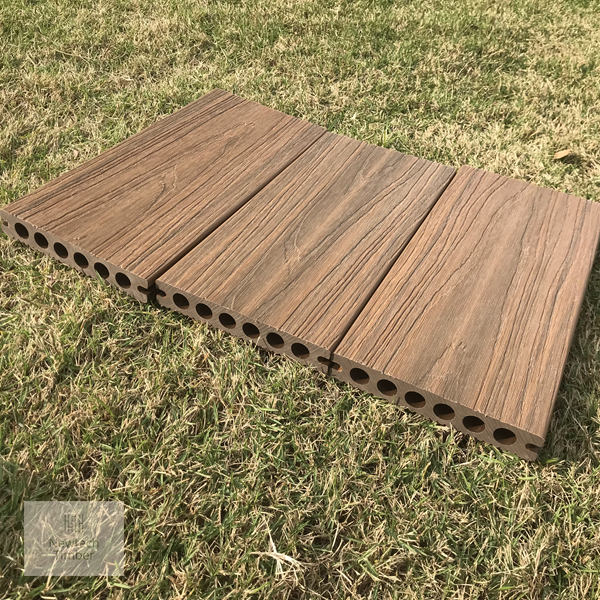
Surface scratches on composite decking can be a point of concern for many customers. Although composite materials are designed to be durable, they can still be prone to scratching, particularly from furniture being dragged across the surface or from pets. To prevent scratches, consider using protective pads on furniture legs and avoiding dragging heavy items across the decking.
For minor surface scratches, many manufacturers offer touch-up kits that can help conceal damage. Regular cleaning is also essential; using a soft-bristle brush and a mild soap solution can help maintain the surface without causing further damage. Additionally, a periodic deep clean using a pressure washer can enhance the appearance of your decking, ensuring it looks as good as new.
Long-Term Care and Maintenance Requirements
Proper maintenance is vital for the longevity of composite decking. Many customers underestimate the ongoing care required after installation. Regular inspections for any signs of wear or damage can help catch issues before they escalate. It is recommended to clean the surface at least twice a year to prevent mould and mildew buildup, especially in humid climates.
Furthermore, applying a protective sealant every few years can significantly enhance the resistance of the decking to stains and fading. Always refer to the manufacturer’s recommendations for maintenance schedules and products that are compatible with your specific composite decking material.

