Preparing the Subframe for Wood Plastic Wall Panels Exterior
Before installing wood plastic wall panels exterior, it is essential to ensure a sturdy subframe. The subframe should be constructed from treated timber or a suitable metal framing system, designed to support the weight and structure of the wall panels. Begin by marking the layout on the wall surface where the panels will be installed, ensuring that the spacing between the vertical supports is no more than 400mm apart. This configuration helps in providing adequate support while allowing for proper ventilation behind the panels.
Once the markings are complete, install the vertical supports using screws or anchors, making sure they are level. Verify the structure’s integrity by applying pressure on the frame to check for any movement. A solid subframe is crucial, as it will prevent the panels from warping or sagging over time.
Fixing Methods for Wood Plastic Wall Panels
The fixing method is vital to the durability of wood plastic wall panels. Start by ensuring that the panels are clean and dry before installation. Use stainless steel or coated screws to avoid corrosion, especially in outdoor conditions. Position the first panel into place, ensuring it is aligned with the subframe. It is advisable to leave a small gap between the panel and ground to allow for drainage and prevent moisture absorption.
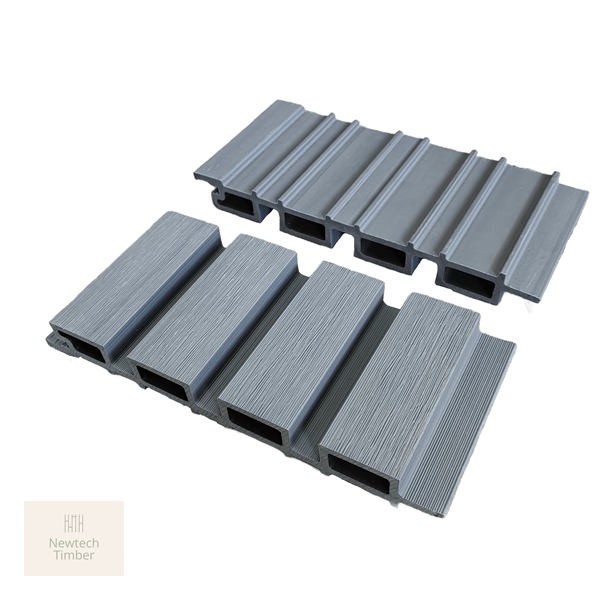
Fix the panel to the subframe securely using screws at the pre-drilled points. Follow this process for the remaining panels, ensuring that they are installed with consistent spacing, typically around 5mm, to allow for expansion. This gap is necessary as wood plastic composites can expand and contract with temperature changes.
Cutting and Fitting Panels
Cutting wood plastic wall panels requires precision to avoid damaging the material. Use a fine-toothed saw or a power saw designed for composite materials. Measure the required lengths accurately before cutting; it is advisable to cut the panels outdoors to limit dust in enclosed spaces. Smooth any rough edges using sandpaper or a file, ensuring that the panels fit snugly against each other and the subframe.
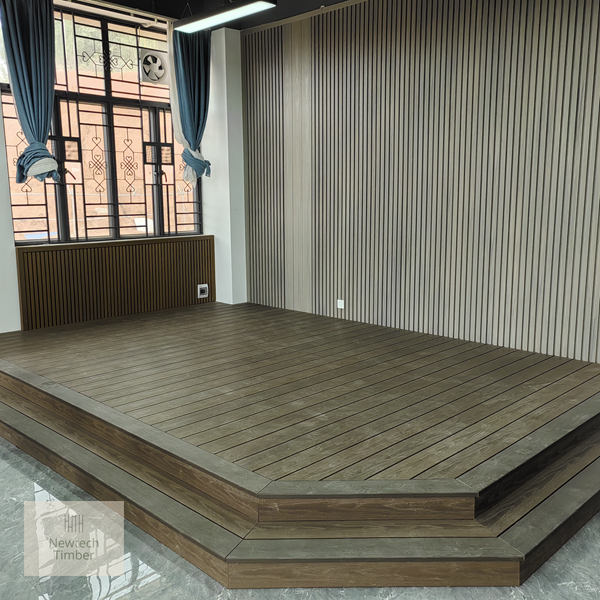
For corners and edges, consider using corner trims or matching decorative features to enhance the overall aesthetic. This attention to detail not only improves the installation’s visual appeal but also helps to protect the panel edges from weathering and damage.
Expansion Gaps and Maintenance Tips
Expansion gaps are fundamental when installing wood plastic wall panels exterior. These gaps prevent pressure build-up during temperature shifts, which can lead to warping or cracking. Along with the 5mm gap between panels, it is prudent to leave an expansion gap of at least 10mm at the top and bottom of the installation to accommodate potential movement.
Maintaining the panels is straightforward. Periodically inspect the panels for any signs of dirt or mildew, particularly in shaded areas. Cleaning can be easily accomplished using a mild detergent and a soft brush. Avoid using harsh chemicals or abrasive tools, as these can damage the surface of the panels. By following these simple maintenance tips, the longevity and appearance of wood plastic wall panels can be preserved effectively.
Final Touches and Aesthetic Benefits
Once the installation is complete, add any finishing touches that may enhance the appearance of wood plastic wall panels exterior. This can include decorative trims or paint treatments that match the overall architectural style of the building. The aesthetic versatility of these panels allows them to complement various designs while ensuring a contemporary look that enhances curb appeal.
The aesthetic benefits of wood plastic wall panels extend beyond mere appearance. They provide an attractive finish that is not only pleasing to the eye but also durable against the elements. Their resilience against moisture and UV radiation makes them an excellent choice for exterior applications, ensuring that the building stays visually appealing for years to come.

