Common Installation Errors with WPC Cladding Fences
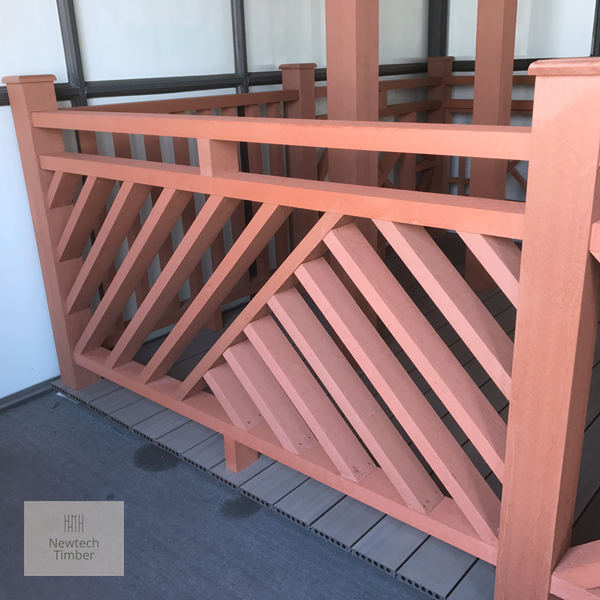
Installation errors are frequent issues encountered when using WPC cladding fences. One of the most notable problems arises from improper alignment during the setup process. When panels are not aligned correctly, it can lead to gaps that compromise both aesthetics and durability. Customers often report experiencing challenges with the fence sagging over time, which can be easily traced back to an uneven installation surface or incorrect spacing between the posts. It is critical to ensure that the ground is level and the posts are securely anchored to avoid such issues.
Another common mistake involves not following the manufacturer’s guidelines for the spacing and installation of screws and fasteners. This can result in panels coming loose or, worse, breaking under pressure. As an after-sales service engineer, I advise all customers to carefully review the installation instructions and consult with a professional if they have any uncertainties. Proper installation is fundamental to the longevity of your WPC cladding fence.
Addressing Colour Differences
Colour differences can sometimes occur in WPC cladding fences, often leading to customer dissatisfaction. These discrepancies can arise from a variety of sources, including variations in the manufacturing process or exposure to different environmental conditions. Different batches of material may exhibit slight differences in tone, particularly if they were produced at different times or under varying conditions. This can be particularly noticeable in larger installations where many panels are used.
To minimise these issues, I recommend purchasing all necessary materials from the same batch. In cases where colour differences are evident, contacting the supplier for potential replacement panels or exploring solutions such as repainting or refinishing may be viable. It is essential to address these issues promptly to maintain the visual appeal of your outdoor space.
Expansion and Contraction Issues
WPC cladding fences are designed to withstand various weather conditions, yet they are not impervious to the natural expansion and contraction that can occur with temperature fluctuations. Customers may observe that their panels warp or bow slightly in extreme heat or cold, which can be alarming. It is vital to understand that this is a normal characteristic of WPC material.
Dealing with Surface Scratches
Surface scratches on WPC cladding fences can detract from their otherwise appealing appearance. Customers often express concern over minor blemishes caused by contact with garden tools, animals, or debris. While WPC is far more durable than traditional wood, it is still susceptible to scratches, particularly in high-traffic areas.
For minor scratches, a simple touch-up with a suitable outdoor paint can effectively mask the imperfection. For deeper scratches, sanding lightly with fine grit sandpaper may help to even out the surface. Encouraging customers to take preventative measures, such as keeping sharp objects away from the fence and regularly cleaning the surface, will also help maintain its condition over time.
Ongoing Maintenance Requirements
Despite its durability, maintaining a WPC cladding fence is essential for ensuring its longevity and performance. Customers often underestimate the importance of regular cleaning and upkeep. Accumulated dirt and grime can dull the surface finish and lead to unwanted growth of mould or mildew.
It is advisable to wash the fence periodically with a mild soap solution and a soft brush. This will not only keep the fence looking fresh but also prevent any long-term damage. Additionally, inspecting for any loose panels or fasteners should be part of routine maintenance checks. By fostering an understanding of these basic care protocols, customers can significantly enhance the lifespan and enjoyment of their WPC cladding fences.