What is WPC Flooring?
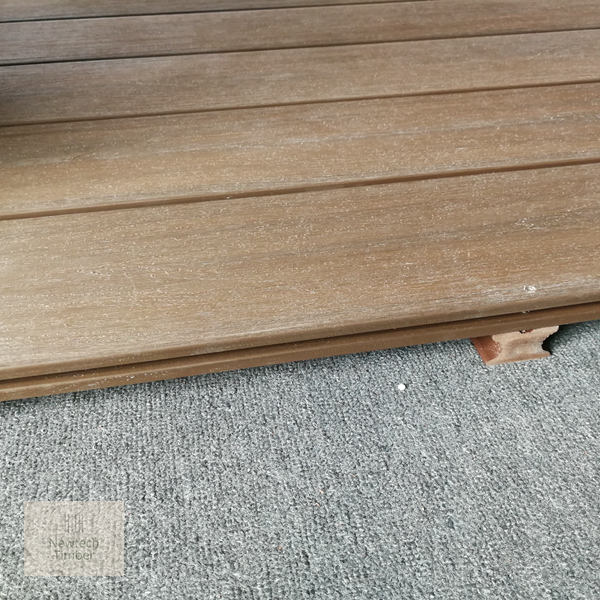
WPC flooring, or Wood Plastic Composite flooring, is an innovative building material designed to mimic the natural look of wood while offering enhanced durability and resistance to environmental factors. It is composed of a blend of wood fibres and plastic, creating a product that is lightweight yet robust. This composite material is engineered to resist moisture, making it ideal for areas prone to humidity and water exposure. With its attractive aesthetic, WPC flooring has gained popularity in both residential and commercial spaces, appealing to those seeking sustainable flooring solutions.
The manufacturing process of WPC flooring involves mixing wood waste with thermoplastics, which are then extruded into planks or tiles. This production method not only utilises recycled materials but also reduces the reliance on traditional hardwood, contributing to a more sustainable approach in the flooring industry. WPC flooring is thus considered an eco-friendly alternative, combining the charm of wood with the practicality of synthetic materials.
Market Trends in Composite Decking and WPC Products
The global market for composite decking and WPC products has experienced significant growth over recent years. As sustainability becomes a priority for consumers, the demand for eco-friendly building materials continues to rise. Regions such as North America and Europe are leading this trend, with an increasing number of homeowners and builders opting for WPC solutions for their outdoor spaces. The appeal lies in the long lifespan and low maintenance requirements of WPC materials, which resonate with environmentally conscious consumers.
In particular, the composite decking segment has expanded rapidly, as it offers a variety of styles and textures that can easily match various architectural designs. Furthermore, the WPC wall cladding market is also gaining momentum, driven by the aesthetic versatility and weather-resistant properties of these materials. The rise in outdoor living trends, including the installation of pergolas and fencing, has further bolstered the demand for WPC products, indicating a shift towards creating functional yet appealing outdoor spaces.
Technological Innovations in WPC Flooring
Advancements in technology are playing a pivotal role in enhancing the performance and appearance of WPC flooring. Innovations such as improved surface treatments and coating technologies have resulted in products that are more resistant to scratches, stains, and fading. These improvements are crucial for maintaining the integrity and visual appeal of WPC flooring, particularly in high-traffic areas.
Moreover, manufacturers are increasingly focusing on developing WPC products that meet stringent safety standards, ensuring that they are free from harmful chemicals. This emphasis on safety not only caters to consumer preferences but also aligns with global regulations aimed at promoting healthier living environments. As a result, WPC flooring is becoming an attractive option for builders and designers looking to create safe, stylish spaces.
Future Market Opportunities for WPC Products
Additionally, the expansion of international markets presents further opportunities for WPC manufacturers. Emerging economies are beginning to recognise the benefits of composite materials, leading to increased investments in construction and landscaping projects. As consumer awareness regarding sustainability rises globally, WPC products are likely to experience significant adoption in new markets, opening avenues for innovation and growth.

The Role of WPC Flooring in Sustainable Construction
The integration of WPC flooring into sustainable construction practices reflects a broader commitment to environmental responsibility. By utilising recycled materials and reducing the reliance on timber, WPC products contribute to the conservation of forests and natural resources. As the building industry moves towards lower carbon footprints, WPC flooring stands out as a viable solution for eco-conscious builders and consumers alike.
Furthermore, the lifecycle of WPC flooring supports sustainability goals. The durability of these materials translates to longer lifespans, reducing the frequency of replacements and minimizing waste. The ongoing development of recyclable WPC products also indicates a future where these materials can be repurposed, aligning with circular economy principles. Thus, WPC flooring not only meets current consumer needs but also paves the way for more sustainable construction practices in the coming years.

