WPC Profile Design Performance Issues Reported After Installation
As an outdoor WPC after-sales service engineer, I regularly assist customers who experience performance concerns after purchasing composite products. Many problems are not caused by material defects but by incorrect installation methods, unsuitable site conditions, or a lack of product knowledge. For businesses managing composite products woocommerce enquiries, accurate technical guidance is essential because customers expect long service life, stable appearance, and reliable outdoor performance from WPC profiles.
The first inspection step is checking installation records, product batch information, and site conditions. Common issues include incorrect joist spacing, insufficient ventilation below decking, over-tightened fasteners, and missing expansion gaps. These details directly affect profile stability because WPC materials respond naturally to temperature changes and moisture levels. A professional troubleshooting process helps identify whether the cause is related to installation, environmental factors, or product handling before corrective action is recommended.
Installation Errors That Affect WPC Product Performance
Incorrect installation remains one of the most frequent reasons for customer complaints. WPC decking boards installed without enough clearance between profiles may develop pressure marks, lifting, or surface distortion during hot weather. Expansion gaps should be maintained according to the manufacturer’s technical data, while fixing clips and screws must allow controlled movement instead of restricting the boards completely.
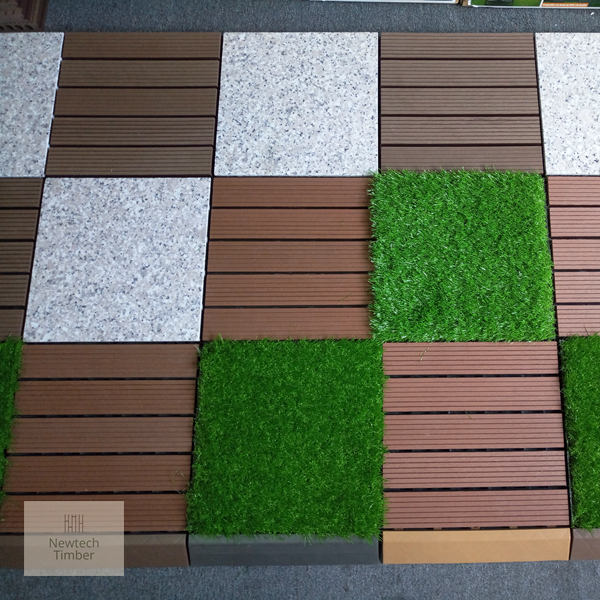
Wall panels, fencing profiles, and outdoor structures also require careful alignment and support preparation. Uneven subframes can create visible waves across finished surfaces, while poor drainage can increase long-term exposure to standing water. During after-sales visits, I often recommend checking the foundation structure, measuring profile spacing, and reviewing the installation method before replacing any materials. This approach reduces unnecessary costs and improves customer confidence in WPC solutions.
Colour Difference and Surface Appearance Troubleshooting
Colour variation is another common concern among WPC customers. Slight differences can appear between production batches because wood fibres, pigments, and polymer materials may naturally vary within manufacturing tolerances. Outdoor exposure also changes the surface appearance during the initial weathering period. Most quality WPC products gradually stabilise after exposure to sunlight and weather conditions.
When customers report colour differences, the recommended procedure is comparing samples under the same lighting conditions rather than judging separate boards under different environments. Storage conditions before installation should also be reviewed because long exposure to direct sunlight or moisture can affect packaging surfaces. For international orders, export teams and OEM specialists should provide clear colour references, batch records, and maintenance instructions to prevent misunderstandings during delivery and installation.
Expansion Problems, Scratches and Repair Methods
Thermal expansion is a normal characteristic of composite materials and must be considered during design and installation. Problems occur when installers treat WPC profiles like traditional timber and fix them too tightly. A suitable expansion allowance enables boards to move naturally through seasonal temperature changes without creating stress between connected components.
Surface scratches usually result from moving heavy furniture, dragging sharp objects, or using unsuitable cleaning equipment. Minor marks can often become less visible through natural weathering, while deeper damage may require replacing individual boards or panels. Customers should avoid abrasive tools and strong chemical cleaners that can affect the protective surface layer. A simple maintenance routine using soft brushes, clean water, and mild detergent helps preserve the original appearance of outdoor WPC products.
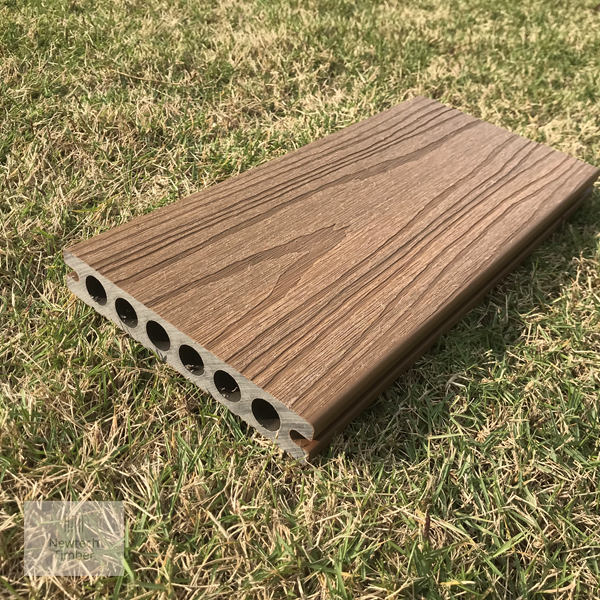
Maintenance Requirements for Long-Term WPC Service
Regular maintenance supports consistent performance and reduces future repair requests. Although WPC requires less care than natural wood, it still benefits from periodic cleaning, especially in areas exposed to dust, leaves, pollution, and organic residue. Drainage channels should remain clear, and furniture supports should use protective pads to reduce concentrated pressure on the surface.
For commercial projects, property managers and landscape professionals should schedule inspections after seasonal weather changes. Checking fasteners, connections, drainage conditions, and visible surface damage allows small issues to be corrected before they become larger concerns. A detailed maintenance record also helps after-sales teams provide accurate recommendations for replacement parts and technical support.
Technical Support Standards for WPC Customer Satisfaction
Effective after-sales service requires more than responding to complaints. It involves collecting installation details, analysing failure patterns, and providing practical solutions based on real site conditions. WPC manufacturers, distributors, and technical teams can improve customer relationships by offering installation manuals, troubleshooting documents, and product training for installers.
For outdoor WPC projects supplied across international markets, consistent communication between designers, engineers, sales teams, and end users is important. Clear technical guidance helps prevent avoidable failures and ensures that composite profiles deliver the expected appearance, durability, and functional performance throughout their service life.

