Global Demand Growth for Outdoor WPC Materials
The international outdoor building materials market is seeing strong interest in wood plastic composite products as developers, contractors, and homeowners seek durable alternatives to traditional timber. Composite decking, WPC wall cladding, fencing systems, pergolas, and landscape structures are expanding across residential and commercial projects because they combine wood appearance with improved resistance to moisture, insects, and weather exposure. As a market research analyst focused on sustainable construction materials, the shift towards recyclable and low maintenance solutions is a clear driver behind new investment in WPC manufacturing capacity.
Regions including Europe, North America, Australia, and parts of the Middle East are increasing demand for outdoor materials that can withstand changing climates. Buyers are looking for products that reduce long term maintenance costs while maintaining attractive designs. An affordable composite deck has become an important market segment because it provides homeowners and property developers with a balance between installation value, appearance, and service life. Manufacturers that can offer reliable quality control, stable supply chains, and customised surface finishes are positioned to capture growing international opportunities.
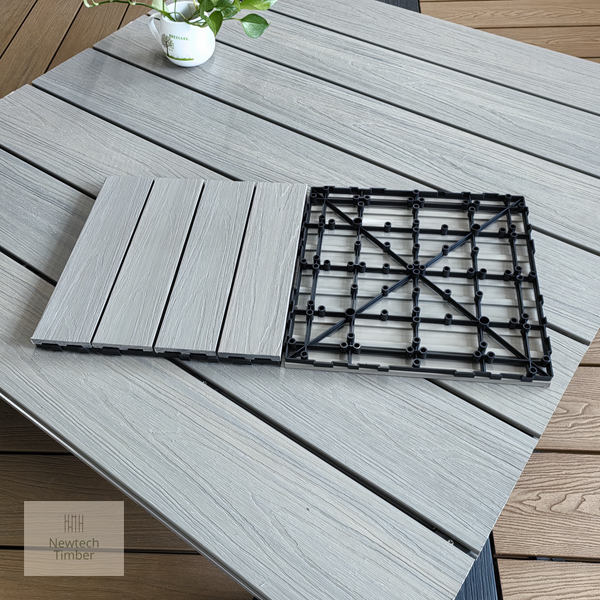
Sustainable Advantages of Composite Decking and Landscape Products
Environmental performance is becoming a major purchasing factor for global buyers of outdoor WPC products. Modern WPC boards often use recycled wood fibres and polymer materials, helping reduce dependence on newly harvested timber. Production improvements are also allowing factories to optimise material usage, reduce waste, and create products with consistent colour and structural performance. These benefits support green building goals in markets where sustainable certification and responsible sourcing influence purchasing decisions.
Outdoor applications such as decking, fencing, pergolas, and garden structures require materials that can handle sunlight, rain, temperature changes, and frequent use. WPC materials provide strong dimensional stability compared with untreated wood, which can expand, crack, or decay under difficult conditions. For landscape designers and architectural consultants, this performance creates more flexibility in outdoor planning. Commercial spaces, hotels, public gardens, and residential communities are increasingly adopting WPC solutions to achieve modern visual styles with reduced upkeep requirements.
Future Opportunities in WPC Wall Cladding and Exterior Design
WPC wall cladding is gaining attention as architects search for exterior finishes that combine natural textures with technical reliability. International projects are using composite panels for balconies, facades, privacy areas, and decorative outdoor spaces. The market opportunity is expanding because designers want alternatives to conventional materials that can offer easier installation and predictable performance. Suppliers with strong mould design capabilities and colour development expertise can provide customised solutions for different architectural styles.
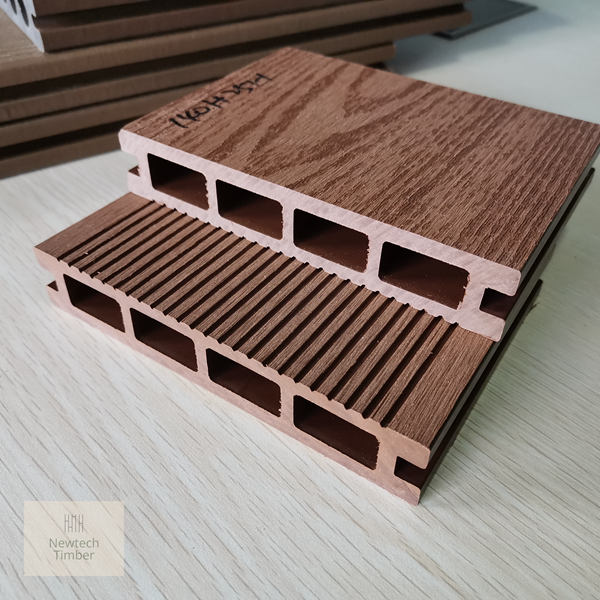
The future growth of outdoor WPC materials will also depend on product innovation. Manufacturers are developing improved surface treatments, co-extrusion technologies, fire performance options, and wider colour selections. These developments allow WPC products to enter premium applications while remaining accessible for mainstream construction projects. OEM customisation services are becoming especially valuable for distributors and international brands that need unique profiles, packaging solutions, and regional product adaptations.
Manufacturing Efficiency and International Supply Chain Development
From a factory perspective, competitiveness in the WPC sector depends on consistent raw material control, extrusion technology, and quality inspection systems. International buyers increasingly evaluate suppliers based on production reliability rather than price alone. WPC factories that invest in advanced extrusion equipment, accurate testing procedures, and skilled technical teams can meet the requirements of demanding markets.
Export specialists and international sales managers are also identifying new opportunities through regional market research. Countries with expanding housing developments, tourism projects, and outdoor renovation trends represent promising areas for WPC applications. Efficient packaging design, dependable logistics planning, and responsive after-sales support help manufacturers build long term partnerships with overseas customers. These factors are becoming essential as competition increases among global composite material suppliers.
Market Outlook for Affordable Composite Deck Solutions
The future of outdoor WPC materials is closely connected with affordability, sustainability, and design flexibility. Buyers across different markets want products that deliver practical value without sacrificing appearance or environmental responsibility. The continued development of affordable composite deck solutions can support wider adoption among residential users, commercial developers, and landscape professionals.
As urban outdoor living spaces continue to grow, composite materials will have increasing importance in terraces, garden boundaries, outdoor entertainment areas, and architectural landscapes. Companies that understand regional preferences, improve manufacturing efficiency, and provide customised solutions will find significant opportunities in the global market. WPC is moving beyond a timber substitute and becoming a recognised category of modern sustainable building materials for future outdoor environments.

