WPC Panels Extrusion Process From Material Preparation
As a landscape engineering consultant specialising in outdoor WPC materials, I evaluate every project by looking beyond appearance. Outdoor environments require materials that can withstand moisture, temperature changes, ultraviolet exposure, and regular public use. The production route of wpc panels directly affects their long-term performance, making the extrusion process an important factor for architects, landscape designers, and material consultants selecting solutions for terraces, garden structures, wall applications, and commercial outdoor spaces.
The process begins with careful raw material preparation. Wood fibres or wood flour are combined with polymer resin, additives, stabilisers, pigments, and processing agents. Quality control engineers check moisture content, particle size, and material consistency before mixing. For landscape projects, this stage determines resistance to swelling, colour stability, and surface quality. A balanced formula allows designers to create outdoor areas with a natural timber appearance while reducing maintenance demands compared with traditional wood.
Compounding and Extrusion Control for Outdoor Performance
After preparation, the materials enter a high-speed mixing and compounding stage where heat and mechanical force create a consistent composite mixture. WPC formula development engineers adjust ratios according to climate conditions, expected loads, and application requirements. A coastal landscape project may require stronger moisture resistance, while a public walkway may need enhanced impact performance and dimensional stability.
The mixed material is then transferred into an extrusion line. During extrusion, controlled temperature zones melt and shape the composite through a mould that defines the panel profile. WPC extrusion technology engineers carefully manage pressure, cooling speed, and production speed because small variations can influence density and internal structure. For architects specifying outdoor materials, consistent extrusion quality means reliable installation results, accurate dimensions, and fewer issues during construction.
Surface Treatment and Design Options for Landscape Projects
Surface finishing gives wpc panels their final visual character and improves their suitability for outdoor design. Common finishing methods include embossing, sanding, brushing, and co-extrusion layers. Embossed surfaces can replicate the grain patterns of natural wood, while protective outer layers improve resistance against fading, staining, and weather exposure. These options allow landscape designers to match modern architectural styles, garden concepts, and hospitality environments.
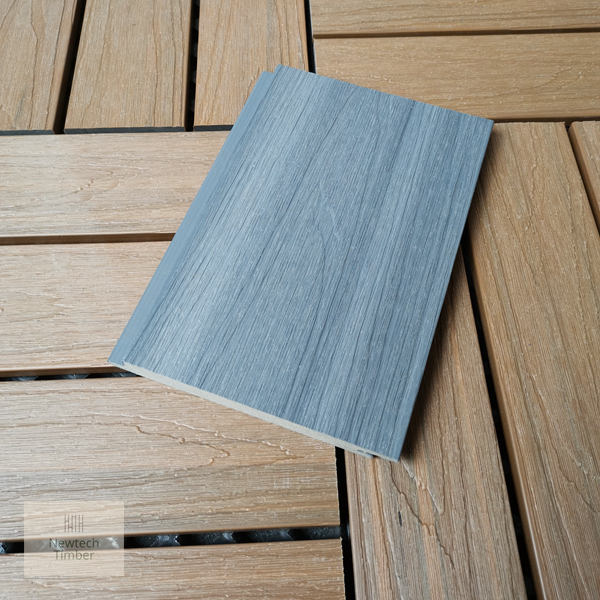
Material selection should consider the complete project setting. In a poolside area, slip resistance and water exposure are major concerns. In a residential garden, colour harmony and low maintenance may be priorities. For large landscape developments, architects should review supplier production standards, profile strength, fixing systems, and available custom finishes before approving materials. The final surface treatment should support both visual requirements and practical performance.
Project Planning With WPC Material Specialists
Successful outdoor projects depend on cooperation between designers, engineers, manufacturers, and installation teams. As a consultant, I advise project teams to assess climate, drainage, ventilation, structural support, and expected usage before choosing WPC products. A well-designed installation system prevents problems caused by expansion and contraction, especially in regions with significant seasonal temperature changes.
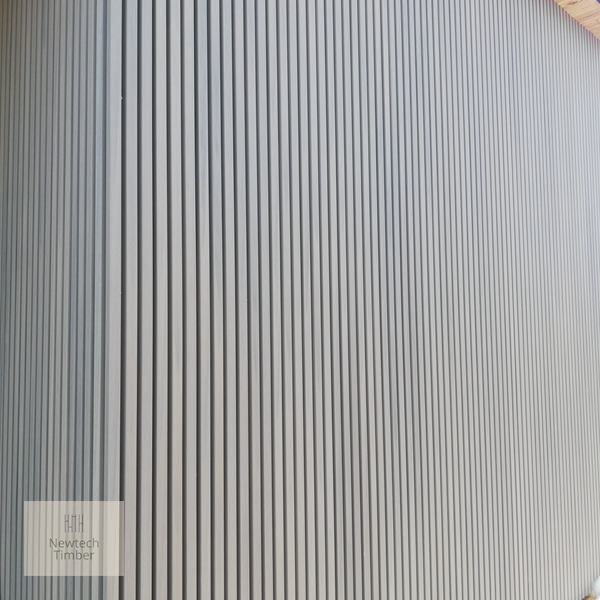
WPC application engineers and installation technicians provide valuable feedback during the planning stage. They help determine suitable panel thickness, spacing requirements, fastening methods, and maintenance procedures. For international projects, export specialists and OEM customisation teams also support architects by adapting colours, dimensions, packaging solutions, and production specifications for different markets and regulations.
Quality Management Across WPC Production and Application
Reliable outdoor environments are created through strict quality management from factory production to final installation. Quality inspection supervisors test finished panels for appearance, strength, water absorption, and dimensional accuracy. Production management teams monitor extrusion conditions to maintain consistent output, while factory owners and industry experts continue improving formulas and manufacturing efficiency.
For sustainable building projects, WPC materials offer a practical balance between design flexibility and environmental responsibility. Architects and landscape professionals increasingly use these products for outdoor spaces that need lasting performance with reduced upkeep. From raw material selection and extrusion control to surface finishing and site installation, each production stage contributes to the quality of the finished landscape environment.

