Understanding 2 x 4 Composite Deck Boards
Choosing the right materials for outdoor structural applications can significantly affect both the aesthetics and functionality of a space. Among various options available, 2 x 4 composite deck boards stand out due to their unique blend of wood and plastic, offering a durable and low-maintenance alternative to traditional timber. These boards are engineered to withstand the elements, providing excellent resistance to rot, fading, and splintering. This resilience makes them an ideal choice for those looking to build decks, patios, or other outdoor structures that require strength and longevity.
When comparing composite decking options, it is essential to pay attention to the composition of the boards. Different manufacturers may use varying ratios of wood to plastic, which can influence durability, appearance, and environmental impact. Understanding these differences can help buyers make informed choices that align with their project needs.
Key Specifications to Consider
Buyers often overlook the importance of specifications when selecting 2 x 4 composite deck boards. Key factors to evaluate include the board thickness, length, and weight. Thicker boards generally provide better durability and resistance to warping under heavy loads. Additionally, the length of the boards can affect installation efficiency and the visual appeal of the decking. Lightweight boards may seem easier to handle, but it’s crucial to balance weight with strength to ensure the structure performs adequately over time.
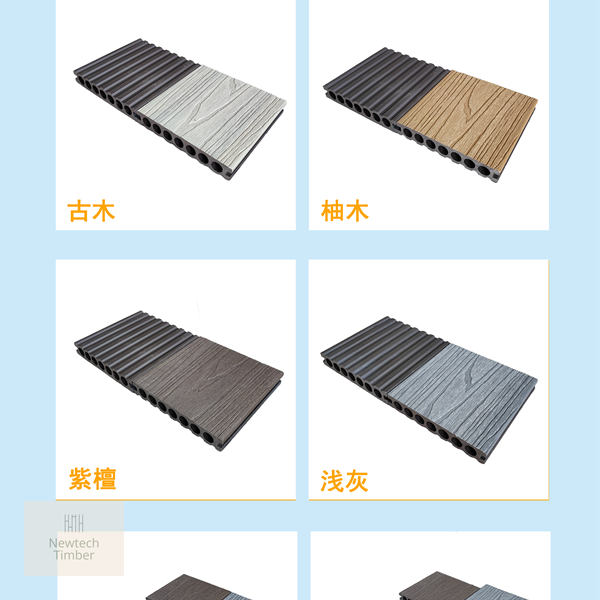
Another vital specification is the slip resistance of the boards. This feature is particularly important for outdoor applications where moisture can lead to slippery surfaces. Many composite options come with textured finishes that enhance grip, ensuring safety for users, especially in wet conditions. Always check for certifications or testing results related to slip resistance when making your selection.
Climate Considerations for Composite Decking
The climate in which you plan to install your 2 x 4 composite deck boards has a significant impact on their performance and longevity. Different composites react differently to temperature extremes, humidity, and UV exposure. For instance, regions with high humidity may require boards designed specifically to resist mould and mildew, while areas with intense sunlight may benefit from products that offer enhanced UV protection to prevent fading.

Moreover, it’s crucial to consider the local weather patterns. In areas prone to heavy snowfall, boards that can handle freeze-thaw cycles without cracking will be more appropriate. Being mindful of the climate and selecting products tailored for those conditions can greatly extend the life of your decking and reduce future maintenance costs.
Avoiding Common Mistakes
One of the most common mistakes buyers make is underestimating the importance of installation guidelines when purchasing 2 x 4 composite deck boards. Each product comes with specific installation requirements that ensure its optimal performance. Failing to follow these guidelines can lead to issues such as warping, improper drainage, or even structural failures.
Additionally, buyers should avoid assuming that all composite boards are created equal. While they may all be made from similar materials, variations in manufacturing processes can lead to significant differences in quality. Always research manufacturers’ reputations and look for reviews or testimonials from previous customers. This due diligence can highlight potential pitfalls and guide you to make a more informed purchasing decision.
Choosing the Right Composite Decking Supplier
Partnering with a reliable supplier is crucial when investing in 2 x 4 composite deck boards. A reputable provider will offer a variety of options, comprehensive product specifications, and knowledgeable support staff who can assist in answering queries. NewTech Timber, for instance, specializes in high-quality composite materials that cater to diverse project needs, ensuring customers receive tailored solutions that align with their visions.
Consider suppliers who prioritize sustainability in their manufacturing processes, as this not only benefits the environment but may also enhance the longevity and performance of the materials. Understanding the sourcing and production methods of the composite boards can provide peace of mind that your investment supports eco-friendly practices.

