Embracing WPC Cladding Colours in Modern Architecture
Wood plastic composite (WPC) cladding is transforming the exterior of modern buildings, merging aesthetics with functionality. The vibrant range of WPC cladding colours available today allows architects and designers to break free from conventional materials, providing a canvas for creativity on both residential and commercial projects. The unique blend of wood and plastic offers not only durability but also an appealing visual finish, making it an ideal choice for contemporary building designs.
WPC cladding’s versatility means it can be used in various applications, from sleek urban facades to rustic country homes. The ability to choose from an array of colours enables designers to enhance the architectural character of a space, making it stand out in its surroundings. Rich earth tones can evoke warmth and comfort, while bold shades may energise and invigorate a structure, appealing to modern tastes.
Transforming Outdoor Spaces with WPC Cladding
WPC cladding colours can dramatically alter the perception of outdoor spaces, especially when applied to decks, balconies, and poolside areas. Homeowners are increasingly opting for composite materials, appreciating the low maintenance and longevity they offer. For instance, a garden deck finished in a striking charcoal grey or a warm walnut hue can create a sophisticated yet inviting ambience, perfect for entertaining guests or enjoying a quiet evening outdoors.
In commercial settings, WPC cladding can enhance the surrounding landscape while maintaining a polished, professional appearance. Consider a café with an outdoor seating area wrapped in a soft beige cladding, harmonising with the natural greenery around it. Such combinations not only attract customers but also create a tranquil environment that encourages them to linger, boosting overall sales and customer satisfaction.
Innovative Applications of WPC Cladding Colours
The flexibility of WPC cladding allows it to be employed in innovative design elements, such as feature walls or distinctive architectural accents. A popular trend in modern construction is the use of contrasting colours to highlight sections of buildings, creating a striking visual impact. For example, a building with a deep navy blue feature wall set against lighter shades of cladding can articulate depth and dimension, enhancing the overall aesthetic appeal.
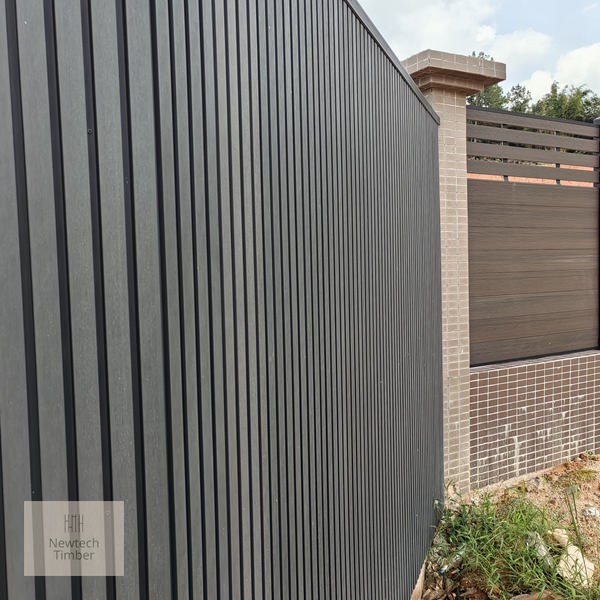
Moreover, WPC cladding can also be adapted for landscaping features, seamlessly blending structures like fences, pergolas, and gazebos into the natural environment. The availability of various colours enables landscape architects to select hues that complement not only the building materials but also the flora and fauna surrounding the area. A warm grey gazebo adorned with climbing plants can provide a charming retreat in any garden, embodying both elegance and functionality.
Durability Meets Aesthetic Appeal
One of the standout features of WPC cladding is its durability, which remains uncompromised despite its pleasing appearance. Unlike traditional wood, WPC is resistant to warping, fading, and insect damage, making it an ideal choice for various climates. When selecting WPC cladding colours, the longevity of the material ensures that the initial colour choice will endure over time, maintaining its appeal without the need for frequent repainting or refinishing.
This durability is particularly relevant for commercial buildings, where the aesthetic appeal of cladding can significantly influence customer perception. A well-maintained exterior in vibrant WPC colours can reflect a brand’s identity, contributing to a positive first impression. For instance, a vibrant red or green can be eye-catching, drawing attention and creating an inviting atmosphere that encourages foot traffic.
Environmental Considerations in Choosing WPC Cladding
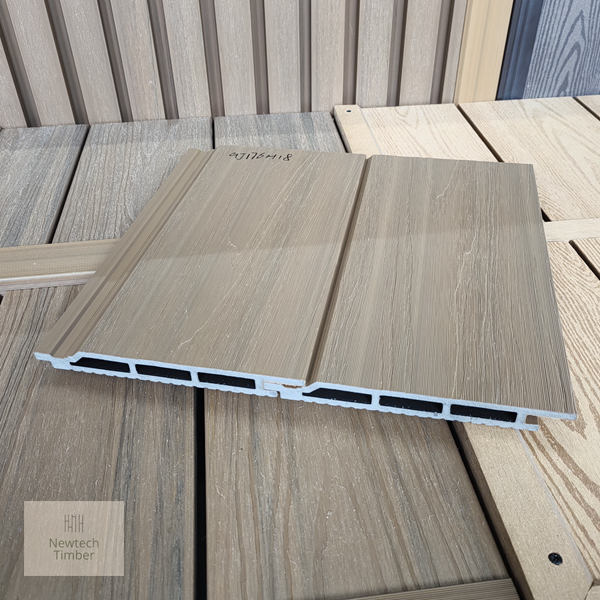
As the world increasingly focuses on sustainable building practices, WPC cladding stands out as an environmentally friendly option. Made from recycled materials, it not only reduces waste but also lowers the demand for natural resources. The range of colours available allows builders to consider their environmental impact without sacrificing aesthetics. WPC cladding can be a part of eco-conscious designs, with light-coloured finishes reflecting sunlight and potentially aiding in energy efficiency for buildings.
Choosing WPC cladding colours that align with these sustainable practices not only showcases a commitment to environmental stewardship but can also appeal to a growing demographic of environmentally conscious consumers. This alignment can drive interest in properties and projects while contributing to a greener future.
Inspiration for Future Projects
Whether it is a residential deck that flows gracefully into a garden or a commercial façade that captivates passersby, the application of WPC cladding colours opens new avenues for design innovation. With a commitment to quality and creativity, NewTech Timber continues to provide various options that inspire architects, builders, and homeowners alike. By integrating WPC cladding into architectural plans, projects can achieve a harmonious balance of beauty, durability, and environmental responsibility.
The transformation that WPC cladding brings to modern building designs is undeniable. As the industry evolves, the fusion of style and sustainability will pave the way for future innovations, ensuring that WPC remains at the forefront of exterior building materials.

