The Allure of WPC Panels
Wood Plastic Composite (WPC) panels have emerged as a favourite among architects and designers seeking innovative solutions for exterior wall and landscape applications. These panels are crafted from a blend of recycled wood fibres and plastic, creating a material that not only looks stunning but also supports sustainable practices. By choosing WPC for your building projects, you contribute to a significant reduction in deforestation and promote the use of recycled materials, making it a responsible choice for eco-conscious consumers.
WPC panels are available in a variety of finishes and colours, enabling versatility in design. From sleek, modern aesthetics to rustic charm, these panels can complement any architectural style. Their durability ensures that they can withstand the elements, making them a perfect choice for outdoor applications. The extensive range of options makes WPC panels ideal for both residential and commercial projects, as well as landscaping needs.
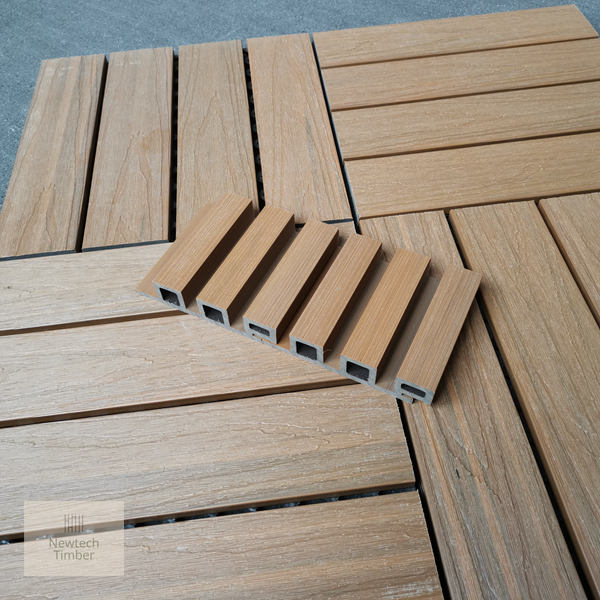
Design Inspirations with WPC Panels
For homeowners looking to enhance their exterior spaces, WPC panels offer numerous design possibilities. Imagine a contemporary home adorned with vertical WPC wall cladding, providing a seamless transition between the building and the surrounding environment. The organic textures and natural hues of these panels can transform a basic façade into a striking visual statement. For those seeking a more traditional look, WPC panels can be designed to mimic natural wood grain, bridging modern aesthetics with classic charm.
In landscape architecture, the use of WPC panels extends beyond mere aesthetics. They can be employed in garden walls, fences, and even as decorative elements in outdoor living areas. By incorporating WPC into landscape designs, you not only achieve a visually appealing space but also make a sustainable choice that reduces the ecological impact of building materials.
Sustainability at the Core
The environmental benefits of WPC panels are profound. By utilising recycled materials in their composition, these panels help decrease the demand for virgin timber, thus playing a part in preserving forests. This is particularly important as the world grapples with climate change and the need for sustainable building practices becomes more pressing. WPC panels are designed to be recyclable at the end of their life cycle, further contributing to a circular economy.
Moreover, WPC panels exhibit excellent resistance to moisture, rot, and pests, which reduces the need for harmful chemicals often used in the treatment of traditional wood. This quality not only enhances the durability of the panels but also ensures that your outdoor spaces remain healthy and safe for the environment.
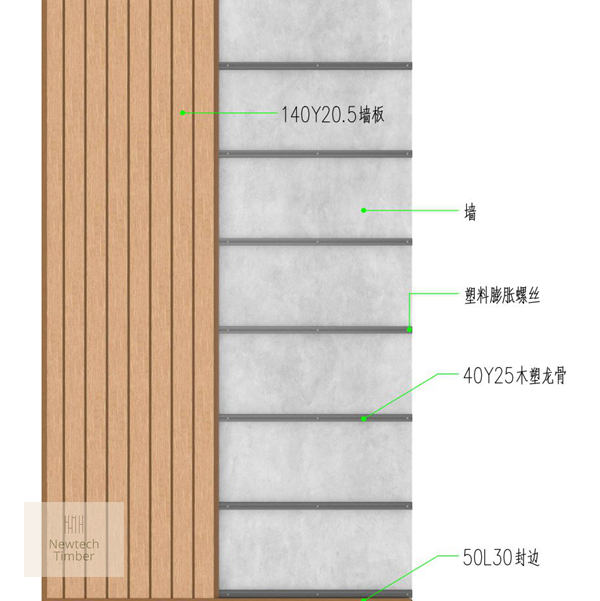
Practical Applications and Visual Impact
WPC panels can be used in a variety of applications beyond walls and fences. For instance, they can be creatively integrated into outdoor structures such as pergolas and gazebos, providing shade and shelter while maintaining an eco-friendly approach. The striking visual impact of WPC in these designs can elevate any outdoor gathering space, making it not only functional but also aesthetically pleasing.
When considering WPC for your next project, it is worthwhile to explore its potential through an image gallery dedicated to showcasing various applications. A well-curated WPC panel image gallery can inspire designers and homeowners alike, illustrating how this material can transform both residential and commercial spaces. The versatility in design and application is boundless, opening up opportunities for innovative and sustainable architecture.
Future Trends in WPC Design
The future of WPC panels appears bright as technology advances and the demand for sustainable building materials continues to grow. Emerging trends highlight the integration of smart technology within WPC design, allowing for features such as integrated lighting or sensors to enhance user experience in outdoor environments. As sustainability remains at the forefront of architectural innovation, WPC panels are poised to lead the charge in eco-friendly building solutions.
As more individuals recognise the importance of sustainable living, wood plastic composite panels will play an increasingly vital role in shaping the future of architecture and landscape design. Investing in WPC panels not only contributes to a more sustainable future but also ensures that the built environment remains beautiful, functional, and responsible.

