Understanding Composite Deck Boards
When considering a new deck for your outdoor space, it’s essential to understand what composite deck boards are made of, as this will greatly influence their performance, longevity, and suitability for your specific project. Composite decking is primarily crafted from a blend of wood fibres and recycled plastic, creating a material that is designed to withstand the rigours of changing weather conditions while providing a more sustainable alternative to traditional timber. The combination of these materials not only ensures a high level of durability but also reduces the environmental impact associated with deforestation and plastic waste.
The wood fibres used in composite decking are typically sourced from sawmill scraps and other wood by-products, while the plastic content often consists of recycled materials like polyethylene or polypropylene. This unique composition gives composite boards their aesthetic appeal, resembling the look and feel of natural wood without the maintenance headaches associated with it.
Evaluating Performance in Different Climates
When selecting composite deck boards, it is vital to consider how they will perform in your particular climate. For instance, regions with high humidity may require boards that are specifically designed to resist mould and mildew. On the other hand, areas that experience extreme heat may necessitate materials that can endure temperature fluctuations without warping or fading. Understanding the specific properties of different composite formulations will help you make an informed choice that aligns with the environmental challenges in your area.
It’s advisable to check the manufacturer’s specifications regarding the material’s resistance to moisture, UV radiation, and extreme temperatures. High-quality composite boards should come with warranties that reflect their performance capabilities, often ranging from 15 to 25 years, depending on the product line and the manufacturer.
Common Mistakes to Avoid
Buyers often fall into several traps when selecting composite decking. One prevalent mistake is overlooking the importance of a reputable brand. Not all composite decking is created equal, and lesser-known brands may not offer the same quality, durability, or warranty coverage as established ones. It is worth investing time in researching different manufacturers and understanding their product lines, customer reviews, and backed performance claims.
Another common misstep is neglecting to consider the aesthetic aspect alongside performance. While many buyers focus solely on durability, the visual appeal of composite deck boards is equally important for enhancing outdoor spaces. Some boards come with a more natural wood-like finish, while others may have a smoother, more contemporary look. Finding the right balance between aesthetics and functionality is key to achieving a satisfying outcome.
Reading Specifications Carefully
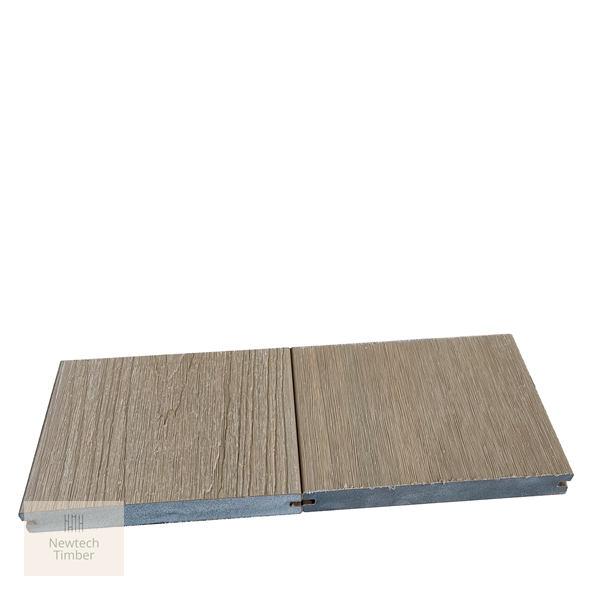
Some products come with special features like slip-resistance or enhanced fade resistance that make them more suitable for specific environments. Always look for certifications or test results that validate these claims, as they provide additional assurance of quality and safety.
Choosing the Right Product for Your Project
Ultimately, selecting the right composite decking material involves a balance of performance, aesthetics, and suitability for your project’s unique demands. Take time to assess your needs, whether it’s for a residential garden, a commercial patio, or a landscaping installation. Don’t hesitate to ask suppliers about their recommendations for your specific climate and intended use.
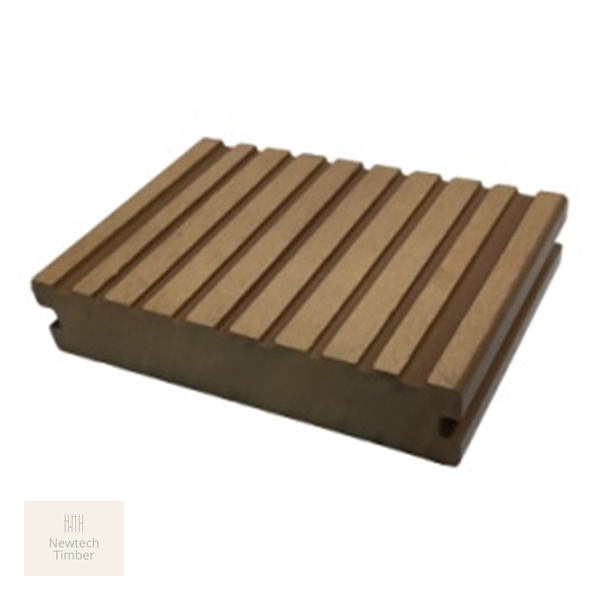
By being informed about what composite deck boards are made of and understanding their features, you can make a well-rounded decision that meets your expectations for both functionality and visual appeal. With the right product in hand, your outdoor space can be transformed into a beautiful and enduring area for years to come.

