Choosing WPC Panels for Building Elevation
In contemporary architectural design, the choice of materials significantly influences both aesthetics and functionality. Wood Plastic Composite (WPC) panels have emerged as a popular option for building elevations due to their blend of durability and low maintenance. When landscape engineers and architects select WPC panels for elevation, they consider factors such as environmental conditions, desired aesthetics, structural integrity, and sustainability, ensuring that the final selection meets the project’s goals.
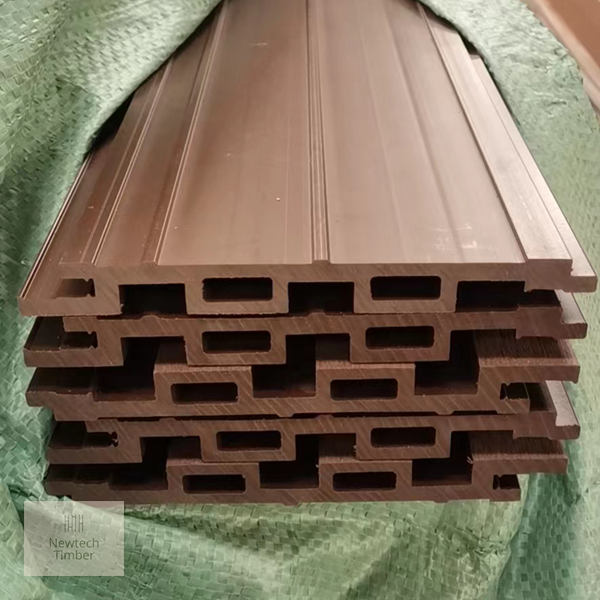
WPC panels are engineered from a combination of wood fibres and recycled plastics, which results in a material that resists rot, warping, and insects. This makes them particularly suitable for outdoor applications where traditional wood may falter. The longevity of WPC panels means that they require less frequent replacement compared to conventional building materials, making them a cost-effective choice in the long run.
Key Considerations for WPC Panel Selection
When evaluating WPC panels for elevation, it is vital to assess the local climate and environmental factors. Areas with high humidity or extreme temperatures can influence the material’s performance. Selecting the appropriate grade of WPC can mitigate issues related to weather exposure. For instance, a higher density material may be advantageous in regions prone to heavy rainfall or snow. In addition, the colour and finish of the panels play a pivotal role in the overall design theme of the building. WPC panels are available in a wide array of colours and textures, providing flexibility to architects and designers in achieving their vision.
Another consideration is the panel’s fire resistance. Many WPC products are treated to meet specific fire safety standards, an essential factor in urban settings where building regulations are stringent. Securing the right certification ensures that the WPC panel complies with local building codes and safety regulations, offering peace of mind for both the design team and future occupants.
Environmental Sustainability of WPC Materials
As sustainability becomes a core focus in modern construction, WPC panels represent an environmentally friendly choice. Made from recycled materials, their production significantly reduces the demand for virgin resources, helping to conserve forests. Furthermore, WPC panels are often recyclable at the end of their lifecycle, contributing to a circular economy. Landscape engineers advocate for the use of WPC materials in building elevations to support sustainable practices while delivering high-quality outcomes.
Architects are increasingly mindful of the environmental impact of their designs. By opting for WPC panels, they can align their projects with green building certifications, such as LEED, which recognise sustainable building practices. This not only enhances the marketability of the project but also appeals to a growing demographic that prioritises environmentally conscious living.
Installation Techniques for WPC Panels
Proper installation of WPC panels is crucial for ensuring their durability and performance. Experienced installation technicians should be engaged to handle the specific requirements of WPC products, as they differ from traditional materials. For instance, WPC panels expand and contract with temperature fluctuations, so adequate spacing and adjustment mechanisms must be incorporated into the installation process to prevent warping or buckling.
Moreover, the installation method can significantly affect the visual outcome. Concealed fastening systems can create a sleek and modern appearance, while visible fasteners may provide a more traditional look. The choice of installation technique should align with the overall design intent while ensuring structural integrity.
Innovative Design Possibilities with WPC
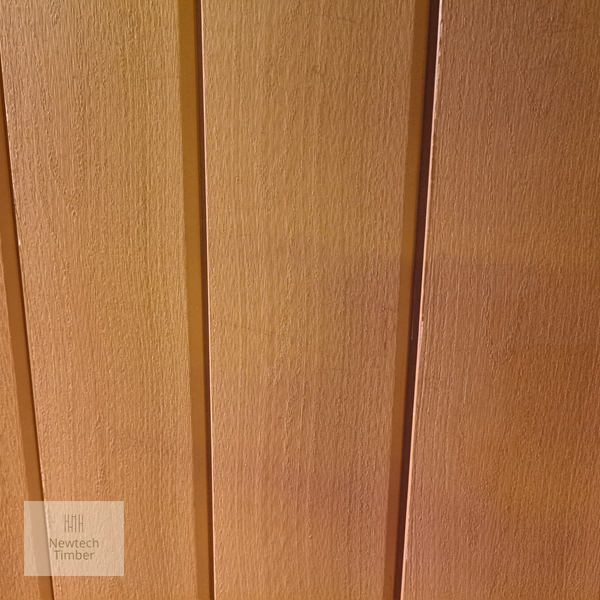
The versatility of WPC panels allows for innovative design applications in building elevations. Architects can explore varied panel orientations, patterns, and configurations to create striking facades that enhance a building’s character. The ability to integrate WPC with other materials, such as glass or metal, opens up even more aesthetic possibilities, allowing for a dynamic interplay of textures and colours.
Additionally, WPC panels can be used in combination with landscaping elements, creating a seamless transition between built structures and natural environments. This integration enhances the overall appeal of the project and can contribute to improved energy efficiency by providing natural shading and insulation to the building.

