The Environmental Benefits of WPC Decking
Wood Plastic Composite (WPC) decking stands out as an environmentally friendly alternative to traditional timber options, offering numerous sustainable advantages. One of the primary reasons it is gaining traction is its composition, which often involves recycled materials such as wood fibres and plastic. By utilising reclaimed wood and post-consumer plastics, WPC decking reduces waste and promotes a circular economy. This approach not only conserves natural resources but also contributes to lowering the carbon footprint associated with new timber production.
Furthermore, the reduced consumption of raw wood in WPC decking production means that fewer trees are felled, resulting in preserved natural habitats and ecosystems. This practice aligns with the growing movement towards sustainable building materials, appealing to environmentally conscious consumers and builders alike.
Types of WPC Decking Available
WPC decking comes in various forms, catering to different aesthetic preferences and functional requirements. Solid WPC decking boards are popular for their durability and strength, making them ideal for high-traffic areas such as patios and walkways. These boards typically feature a dense core that provides excellent stability while resisting warping and cracking.
Another type is hollow WPC decking, which is lightweight and often more cost-effective. Hollow boards are designed with a series of internal voids, reducing the overall weight while maintaining structural integrity. This variety is particularly appealing for residential projects where ease of installation is a priority.
Durability and Longevity of WPC Decking
One of the key advantages of WPC decking is its remarkable durability. Unlike traditional wood, WPC is resistant to rot, insects, and decay, making it a long-lasting choice for outdoor projects. This resistance not only extends the lifespan of the decking but also reduces the need for frequent replacements, which can lead to further waste.
Moreover, WPC decking is designed to withstand harsh weather conditions, including heavy rain and intense sunlight. Its colour stability ensures that the boards maintain their aesthetic appeal over time, eliminating the need for frequent repainting or refinishing that is often necessary with wood decking. This low-maintenance requirement adds to the overall value proposition of using WPC for outdoor spaces.
Low Maintenance Advantages of WPC Decking
Another compelling reason to consider WPC decking for outdoor projects is its low maintenance nature. Unlike traditional wood, which typically requires annual sealing or staining to protect against moisture and UV damage, WPC decking can often be cleaned with just soap and water. This ease of care translates into significant time and cost savings for homeowners and businesses alike.
Furthermore, the non-porous surface of WPC decking means it is less prone to mould and mildew growth, making it a hygienic option for outdoor environments. This feature is particularly beneficial in humid climates where moisture retention in traditional wood can lead to significant deterioration.
Design Flexibility and Aesthetic Appeal
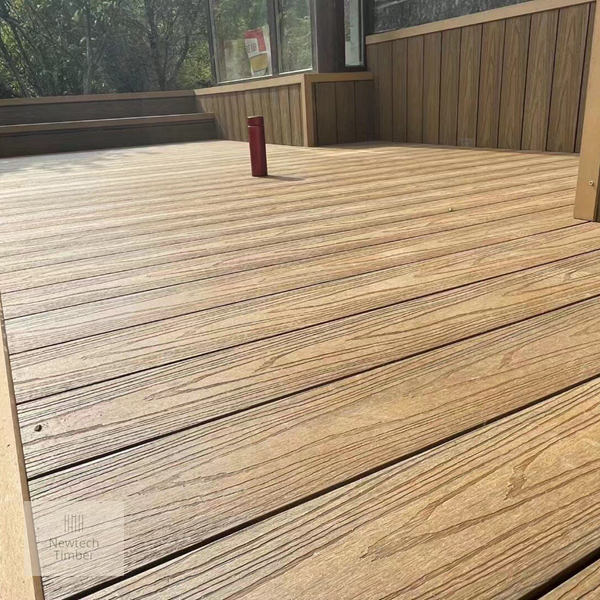
WPC decking is not only functional but also offers significant design flexibility. Manufacturers provide a wide range of colours, textures, and finishes to suit various architectural styles and personal preferences. Whether aiming for a classic wood look or a modern aesthetic, WPC decking can be tailored to meet specific design requirements.
This versatility extends to installation methods as well. WPC boards can be easily cut and shaped, allowing for creative designs that enhance outdoor spaces. This adaptability makes WPC decking a favourite among landscape architects and outdoor product designers looking for materials that perform well while also elevating the overall visual appeal of a project.

The Future of WPC Decking in Sustainable Construction
As the demand for sustainable building materials continues to grow, WPC decking is well-positioned to play a significant role in the future of construction. Its combination of recycled content, reduced environmental impact, and durability presents a compelling case for builders and consumers to embrace this innovative material. With advancements in technology and an increasing number of manufacturers committed to sustainability, the types of WPC decking available will likely expand, further enhancing its appeal in outdoor projects.
As a sustainable building materials specialist, it is encouraging to see how WPC decking not only addresses the immediate needs of consumers seeking attractive outdoor solutions but also contributes positively to the environment, paving the way for a more sustainable future in construction.

