Export Packaging Design for WPC Decking Solutions
As a packaging engineer for outdoor WPC products, I focus on creating export packaging systems that maintain product quality from the factory floor to the final installation site. Composite decking tiles, decking boards, wall panels, and extrusion profiles often travel thousands of kilometres by ocean freight, facing vibration, humidity, temperature changes, and repeated handling during loading and unloading. A successful packaging solution must protect the material while also supporting efficient container use and cost control.
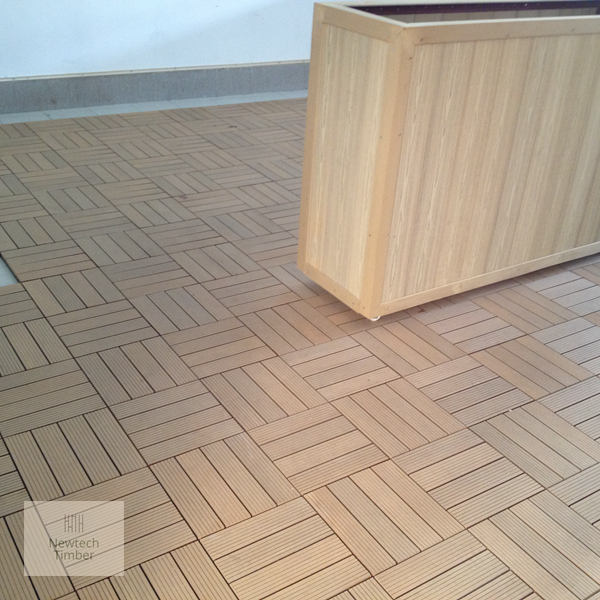
Many buyers ask are composite decking tiles any good when considering factory-made outdoor flooring solutions. The answer depends not only on the tile structure and raw material formula but also on how the manufacturer prepares the products for international shipment. Good packaging prevents surface scratches, edge damage, moisture exposure, and deformation, ensuring that the delivered products maintain the same appearance and performance as the samples approved during the purchasing process.
Packaging Structures for Long Distance Ocean Transport
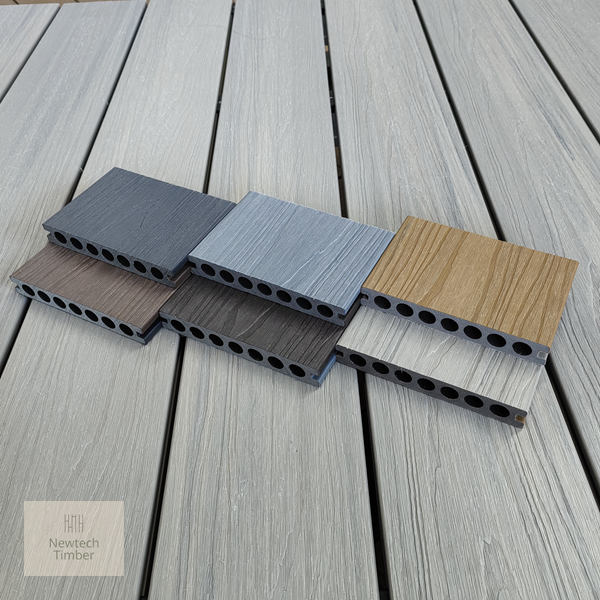
WPC factories usually develop packaging designs according to product dimensions, weight, destination climate, and customer handling requirements. For decking boards, protective layers such as PE film, foam sheets, corner guards, and reinforced cartons are commonly combined to reduce friction between individual pieces. Profiles with complex shapes may require customised separators to prevent bending or pressure marks during storage.
For container shipments, packaging engineers also consider stacking strength. A pallet system must distribute the load evenly because excessive pressure on lower layers can affect board flatness. Export pallets are often designed with treated wood bases, strong straps, and moisture-resistant wrapping to improve stability. The objective is to create a package that protects the product while allowing forklifts and warehouse teams to handle it safely.
Custom Factory Solutions for Different WPC Products
Every WPC product category requires a different packaging approach. Outdoor decking tiles may need rigid carton packaging with internal support because their modular structure contains more connection points than traditional boards. Wall panels often require longer cartons and additional edge protection because decorative surfaces can be sensitive to impact. Hollow profiles may need internal reinforcement to avoid compression damage during long storage periods.
Custom factory solutions also involve cooperation between production teams, quality inspection supervisors, and international sales managers. Packaging engineers review production tolerances, surface finishes, and customer expectations before selecting materials and packing methods. This process helps factories provide OEM customers with packaging that matches their brand requirements, including printed cartons, product labels, installation instructions, and export marks.
Quality Control During WPC Packaging Operations
Packaging inspection is an important stage before container loading. Quality teams check whether protective films are correctly applied, whether cartons have sufficient strength, and whether pallet dimensions maximise shipping efficiency. Drop tests, stacking tests, and humidity checks may be carried out for specialised orders, especially when products are shipped to regions with demanding weather conditions.
A professional packaging system also reduces after-sales issues. Damaged products create additional costs for factories, distributors, and installers. By improving packaging design at the manufacturing stage, suppliers can reduce replacement requests and strengthen relationships with international customers. This is particularly valuable for large construction projects where consistent delivery quality is required across multiple shipments.
Sustainable Packaging Choices for Global WPC Markets
Sustainability has become an important consideration in outdoor building material exports. Many WPC factories are adopting recyclable packaging materials, reducing unnecessary plastic usage, and designing compact packages that improve container capacity. Better space utilisation lowers transportation impact while helping customers manage storage areas more effectively.
Packaging engineers must balance environmental goals with product protection. A package that uses fewer materials but causes damage during shipping does not provide a sustainable solution. The most effective approach combines responsible material selection with accurate engineering calculations, creating packaging that supports both product safety and international sustainability expectations.
Factory Expertise Behind Reliable WPC Deliveries
Export packaging is an extension of WPC manufacturing quality. A factory that invests in packaging research demonstrates a deeper understanding of international supply chains and customer needs. From raw material control to extrusion production, surface treatment, inspection, and final packing, each stage influences the condition of the products after arrival.
For distributors, architects, and contractors sourcing outdoor WPC solutions, packaging capability is an important factor in supplier evaluation. A manufacturer with strong packaging engineering can provide decking boards, wall panels, and profiles that arrive ready for installation, reducing project delays and improving customer confidence in every shipment.

