Correct Installation Methods for WPC Decking and Wall Cladding Systems
As a WPC application engineer, I focus on ensuring that outdoor composite products deliver reliable performance from installation through long-term use. WPC decking and wall cladding systems require accurate planning, suitable substructure preparation and correct fixing methods. Many installation problems are caused by poor spacing, unsuitable accessories or incorrect site conditions rather than by the material itself. Professional installation allows WPC products to maintain their appearance, strength and weather resistance across different outdoor environments.
WPC news within the outdoor building materials sector often highlights improvements in extrusion technology, surface treatments and installation solutions. These developments help engineers, designers and contractors create outdoor spaces with better durability and lower maintenance requirements. Before installation begins, the project team should evaluate drainage conditions, sunlight exposure, temperature changes and expected traffic levels to select the right WPC specification.
Residential Gardens and Private Outdoor Spaces
Residential gardens are one of the most common applications for WPC decking systems. Homeowners use WPC boards for patios, garden pathways, terraces, seating platforms and outdoor dining areas. Compared with traditional timber, WPC decking offers better resistance to moisture, insects and daily wear, making it suitable for areas exposed to changing weather conditions.
For garden projects, I recommend installing decking on a stable aluminium or treated support structure with correct expansion gaps between boards. Around flower beds and landscape features, installers should consider water drainage and access for cleaning. WPC wall cladding can also improve garden rooms, outdoor kitchens and boundary structures by adding a modern decorative finish while protecting surfaces from rain and sunlight.
Commercial Landscapes, Hotels and Public Recreation Areas
Commercial landscapes require materials that combine attractive design with dependable performance. Hotels, resorts, parks and public facilities frequently use WPC decking around entrances, outdoor restaurants, walkways and leisure zones. These areas often experience higher foot traffic, so engineers should choose boards with suitable load capacity, slip resistance and surface texture.
Hotel swimming pool areas are another important application for WPC products. Properly installed decking provides a comfortable walking surface around pools while reducing maintenance compared with natural wood. Drainage channels, anti-slip profiles and corrosion-resistant accessories should be considered during design. In parks and public facilities, WPC can be applied to viewing platforms, rest areas and pedestrian routes because it offers a consistent appearance and can support long service periods with routine maintenance.
Balconies, Swimming Pool Areas and Architectural Projects
WPC decking is increasingly used for balconies in residential buildings, apartments and hospitality projects. Balcony installations require careful attention because these spaces usually have limited drainage capacity and strong exposure to sunlight. A professional installer should maintain ventilation beneath the boards and avoid blocking existing drainage systems.
Architectural material consultants often select WPC wall cladding for exterior feature walls, building extensions and decorative facades. The material can create natural wood aesthetics while reducing the need for frequent painting or surface treatment. For architects and designers, colour selection, board direction and connection details should be planned together to achieve both visual balance and practical performance.
Professional Application Advice for WPC Project Teams
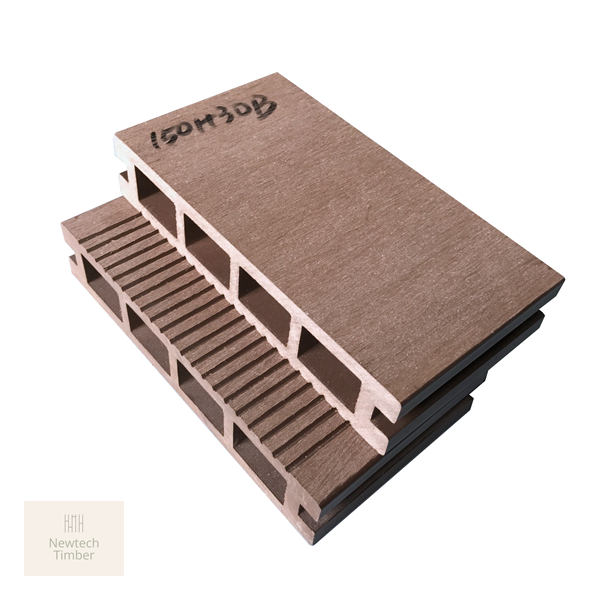
Successful WPC projects depend on cooperation between designers, engineers, installers and quality inspection teams. Before construction, the application environment should be reviewed carefully, including climate conditions, expected usage and local building requirements. WPC installation technicians should follow manufacturer guidelines for clip spacing, screw selection and board arrangement to prevent movement or deformation.
For international projects, export specialists and OEM suppliers should provide clear technical documents covering installation procedures, packaging protection and after-sales support. Sustainable building materials specialists also consider the environmental benefits of WPC, including reduced dependence on natural timber and longer product life cycles. These factors make WPC suitable for many modern outdoor construction applications.
Future Applications of Outdoor WPC Systems
The demand for outdoor WPC solutions continues to grow as more projects seek attractive, low-maintenance and environmentally responsible materials. Factory owners, product designers and market researchers are developing new profiles for decking, wall panels and customised landscape applications. From private gardens to large public facilities, correct installation remains the foundation for achieving the expected service life of WPC products.
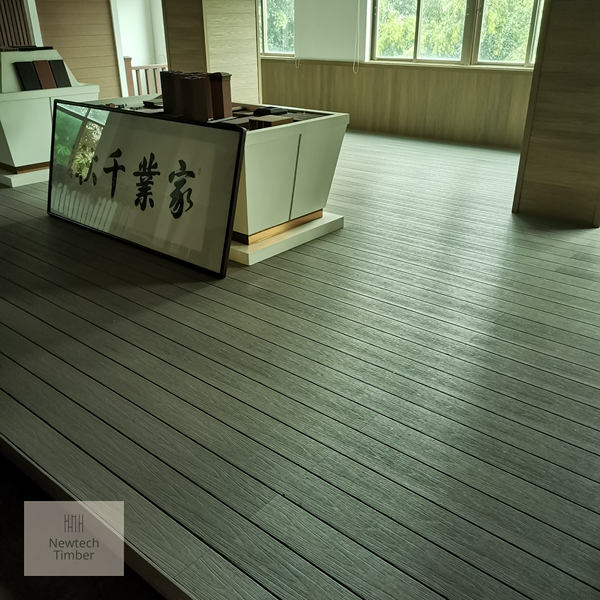
With professional engineering support, WPC decking and wall cladding systems can be adapted to hotels, parks, balconies, swimming pool areas, commercial landscapes and many other outdoor spaces. Careful design decisions, suitable installation methods and quality control processes help create durable outdoor environments that meet the needs of modern construction projects.

