Composite decking has gained immense popularity in recent years due to its durability, low maintenance requirements, and aesthetic appeal. One of the standout features of composite decking is its versatility, allowing homeowners and contractors to create custom outdoor designs and installations. However, the process of cutting composite decking requires a thorough understanding of the materials and techniques involved to ensure a successful outcome.
Composite decking is typically made from a blend of wood fibers and plastic materials, which are combined through an extrusion process. This manufacturing technique results in boards that are strong, lightweight, and resistant to moisture, insects, and fading. The ability to customize the length and shape of these boards opens the door to various design possibilities. Whether creating a unique deck shape, installing built-in seating, or crafting intricate patterns, precise cutting is essential.
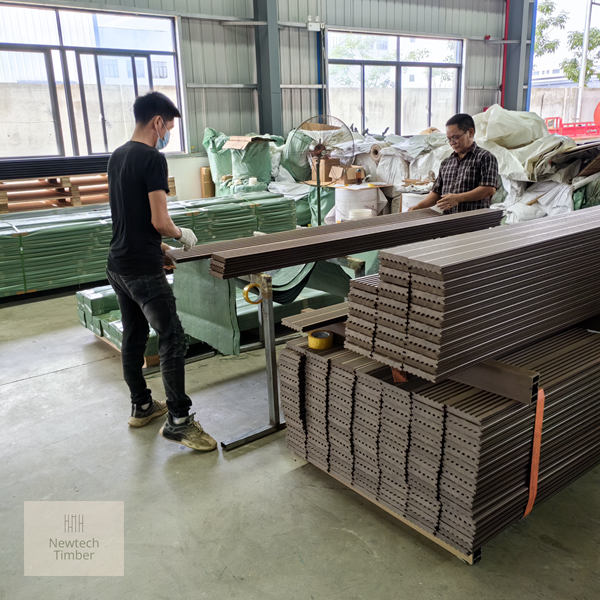
When it comes to cutting composite decking, utilizing the right tools is crucial. Standard woodworking tools such as circular saws, miter saws, and jigsaws can be used effectively to achieve clean cuts. However, it is important to ensure that the blades used are specifically designed for composite materials. Blades with fewer teeth are often preferred since they reduce the risk of melting the plastic components during the cutting process. Additionally, using blades that are carbide-tipped can enhance durability and provide cleaner edges.
Before cutting, proper planning and measurement are vital. Accurate measurements help to minimize waste and ensure that the pieces fit together seamlessly during installation. It is advisable to mark the cutting lines clearly on the composite decking boards using a straight edge and a pencil. This clarity aids in achieving precise cuts and helps avoid any errors. Moreover, securing the boards firmly on a stable surface before cutting is essential to prevent movement that could lead to uneven cuts or accidents.
Another important consideration when cutting composite decking is the potential for splintering or chipping at the cut edges. To mitigate this risk, it is beneficial to apply painter’s tape along the cutting line before making the cut. This tape helps to stabilize the material and reduce chipping, resulting in a cleaner finish. Additionally, cutting at a slower speed can provide better control and minimize damage to the material.
After cutting the boards to the desired lengths and shapes, proper finishing techniques should be employed. Sanding the cut edges can help smooth out any rough surfaces and prevent splinters. While composite decking is generally resistant to the elements, sealing the cut edges with a compatible sealant can add an extra layer of protection against moisture. This is particularly important in climates with heavy rainfall or high humidity, where water infiltration could lead to expansion or warping over time.
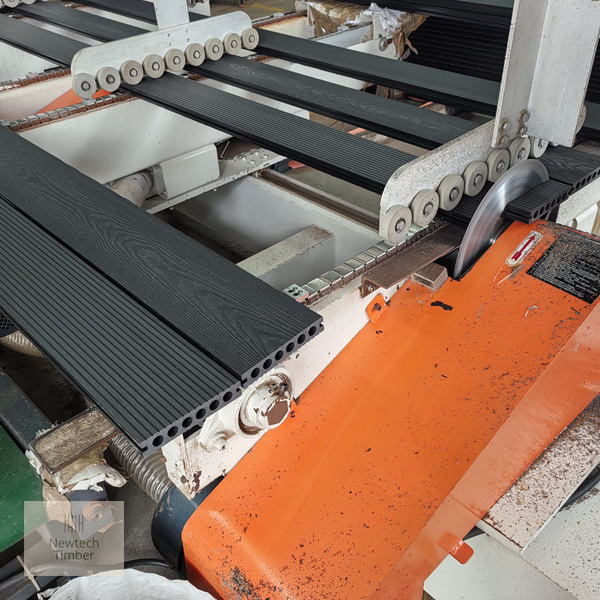
Installation of custom designs also requires attention to detail. Composite decking boards should be installed with appropriate spacing to allow for expansion and contraction due to temperature changes. Utilizing hidden fasteners can provide a clean look while ensuring the boards are securely attached. Incorporating features such as built-in lighting or integrated planters can further enhance the design, making the outdoor space not only functional but also visually appealing.
In terms of sustainability, many composite decking products are made from recycled materials, contributing to environmental conservation. This aspect can be highlighted in custom installations, appealing to homeowners who prioritize eco-friendly options. The longevity of composite decking also means less frequent replacement, reducing waste over time.
Ultimately, the ability to cut composite decking for custom outdoor designs and installations allows for creativity and personalization in outdoor spaces. By understanding the material properties, using the right tools, and employing proper cutting and finishing techniques, homeowners and contractors can achieve stunning results. The versatility of composite decking not only enhances the aesthetic appeal of outdoor areas but also ensures durability and functionality for years to come. As demand for unique outdoor living spaces continues to grow, the significance of composite decking in achieving these designs cannot be overstated. With careful planning and execution, anyone can transform their outdoor environment into a customized oasis that reflects their personal style and preferences.

