When considering outdoor decking materials, the choice between composite decking and traditional wood is crucial for homeowners and builders alike. NewTechTimber, a prominent player in the composite decking market, offers innovative solutions that provide significant advantages over conventional wood decking. By focusing on the cost of production processes and material longevity, we can better understand the economic implications of choosing composite materials compared to wood.
Composite decking is primarily made from a blend of recycled wood fibers and plastic. This combination not only utilizes sustainable materials but also reduces waste by repurposing discarded plastics. The manufacturing process involves several stages, including mixing, heating, and extruding the composite material into planks. This process is highly efficient and allows for mass production, which can lower costs per unit as economies of scale come into play. Additionally, the use of recycled materials can lead to reduced raw material costs, further enhancing the affordability of composite decking.
On the other hand, traditional wood decking is derived from timber, which requires logging, milling, and treatment to ensure durability. The production process for wood involves significant labor and time, particularly in sourcing high-quality timber that is resistant to rot and pests. Moreover, the environmental impact of logging and the transportation of wood products can add to the overall costs. As demand for sustainable practices grows, the prices of responsibly sourced wood may increase, making it less competitive compared to composite alternatives.
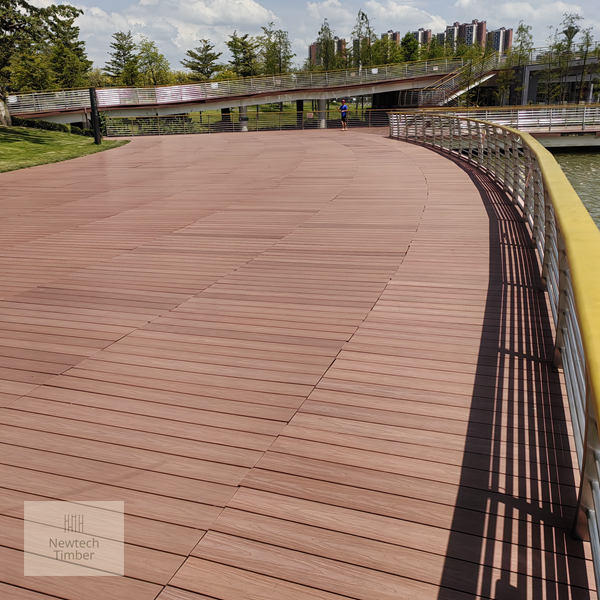
Durability is another critical factor influencing cost. Composite decking, especially products like those from NewTechTimber, offers superior resistance to the elements compared to wood. It is engineered to withstand moisture, UV rays, and temperature fluctuations without warping, splintering, or fading. This durability reduces maintenance costs over time, as composite decking does not require regular staining or sealing, unlike wood. Homeowners may initially pay more for composite materials, but the long-term savings on maintenance and replacement can make it a more cost-effective choice.
In contrast, wood decking often requires periodic maintenance, including resealing and staining, to maintain its appearance and prolong its life. These ongoing costs can accumulate significantly over the years, diminishing the initial savings of choosing wood over composite materials. Additionally, wood is susceptible to insect damage and decay, which may necessitate costly repairs or replacements.
Furthermore, the lifespan of decking materials is a pivotal consideration. Composite decking typically boasts a lifespan of 25 years or more, with many manufacturers offering warranties that reflect this durability. In contrast, well-maintained wood decking may last around 15 years, depending on the type of wood and environmental conditions. The shorter lifespan of wood translates to more frequent replacements, leading to increased overall costs over time.

Environmental factors also play a role in cost comparisons. As consumers become more environmentally conscious, the demand for sustainable materials has risen. Composite decking from companies like NewTechTimber is often made from eco-friendly materials, appealing to those looking to minimize their environmental footprint. This shift in consumer preference can influence market prices and demand, further affecting the cost dynamics between composite and wood decking.
Additionally, the installation process can impact costs. Composite decking is generally lighter and easier to handle compared to traditional wood, which can reduce labor costs during installation. The uniformity of composite materials also simplifies the installation process, allowing for quicker project completion. In contrast, wood can present challenges such as uneven boards or the need for additional treatments, which can result in increased labor time and costs.
In assessing the cost of composite decking versus wood, it becomes clear that while the initial investment in composite materials may be higher, the long-term savings in maintenance, durability, and replacement costs make it a smart choice for outdoor spaces. With rising environmental concerns and an increasing focus on sustainability, composites like those offered by NewTechTimber provide an attractive and economically viable alternative to traditional wood decking. The benefits of choosing composite materials not only enhance the longevity and aesthetic appeal of outdoor spaces but also align with the growing demand for environmentally responsible building practices. As homeowners and builders seek durable, low-maintenance options, composite decking stands out as a forward-thinking solution that balances cost with sustainability.

