Composite decking has gained significant popularity in recent years as a preferred choice for outdoor projects and installations due to its durability, low maintenance, and aesthetic appeal. One of the key advancements in this field is the availability of composite decking in five-meter lengths. This innovation not only enhances the efficiency of larger outdoor projects but also offers several practical advantages that cater to both residential and commercial needs.
The production process of composite decking involves combining recycled wood fibers and plastic materials to create a sustainable and high-performance product. The raw materials are carefully selected, with wood fibers sourced from post-consumer waste and plastics derived from recycled bottles and containers. This commitment to sustainability not only reduces waste but also minimizes the carbon footprint associated with decking production.
The first step in the manufacturing process is the blending of wood fibers and plastic. This mixture is subjected to a series of processes that include drying, grinding, and compounding. The goal is to create a uniform blend that will provide the necessary strength and durability for outdoor use. Advanced machinery is utilized to ensure that the mixing process is thorough, yielding a consistent product that meets quality standards.
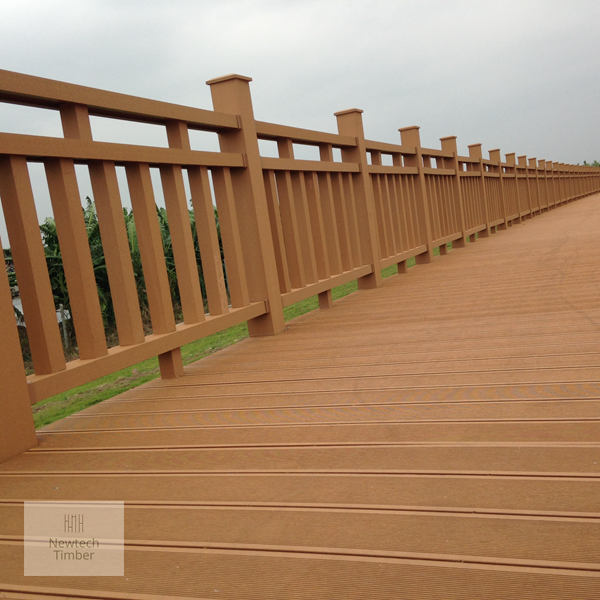
Once the composite material is prepared, it undergoes an extrusion process. This technique involves forcing the blended material through a mold to create planks of desired dimensions. The availability of five-meter lengths is particularly advantageous for large outdoor projects, as it reduces the number of seams and joints that need to be managed during installation. Fewer seams not only streamline the installation process but also enhance the overall aesthetics of the decking, providing a cleaner and more continuous look.
Additionally, the extrusion process allows for the incorporation of various textures and finishes on the surface of the decking. Manufacturers can create a wood-like appearance or smooth finishes that cater to different design preferences. This versatility makes composite decking suitable for a wide range of applications, from residential patios and decks to commercial boardwalks and public spaces.
After extrusion, the decking boards are cooled and cut to the specified lengths. Quality control measures are implemented at this stage to ensure that each board meets the required standards for strength, flexibility, and visual appeal. Any boards that do not pass inspection are recycled back into the production process, further promoting sustainability.
One of the standout features of composite decking is its resistance to the elements. The combination of wood fibers and plastic provides excellent protection against moisture, UV rays, and temperature fluctuations. As a result, composite decking does not warp, splinter, or fade like traditional wood decking. This durability translates to a longer lifespan for the product, making it a cost-effective choice for larger installations where longevity is a primary concern.
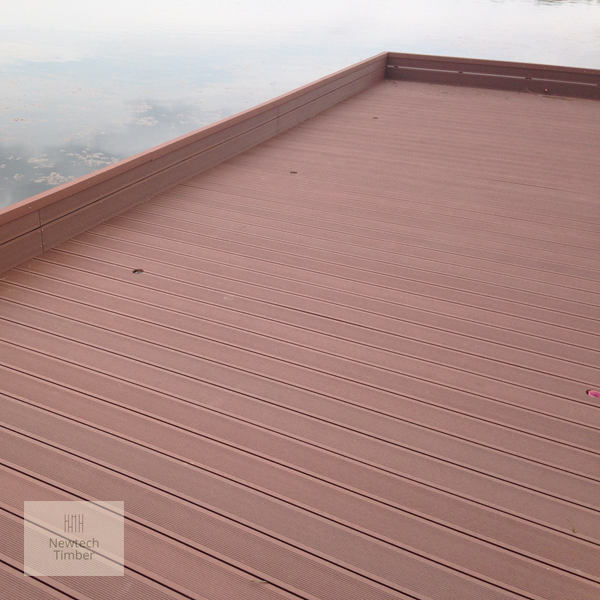
Moreover, the low maintenance requirements of composite decking are a significant advantage for homeowners and businesses alike. Unlike wood, which requires regular staining and sealing, composite decking can be easily cleaned with soap and water. This ease of maintenance is particularly appealing for larger outdoor spaces that require ongoing upkeep.
The introduction of five-meter lengths also aligns with current trends in outdoor living spaces. As homeowners seek to create expansive decks that connect indoor and outdoor areas seamlessly, the need for longer decking boards becomes increasingly important. This trend is evident in the design of modern outdoor environments, where large, uninterrupted surfaces are favored for their aesthetic appeal and functionality.
In addition to residential applications, five-meter composite decking is also highly suitable for commercial projects. Parks, resorts, and hospitality venues benefit from the durability and low maintenance of composite materials, ensuring that outdoor spaces remain inviting and functional year-round. The ability to cover large areas quickly with fewer boards not only saves time during installation but also reduces labor costs, making it an attractive option for contractors and developers.
The advancements in composite decking production, particularly the availability of five-meter lengths, reflect a growing commitment to sustainability, efficiency, and design innovation in the industry. As outdoor spaces continue to evolve, composite decking stands out as a practical and stylish choice for a wide array of applications, offering long-lasting performance and visual appeal in any setting.

