Export Packaging Design For Composite Decking Protection
As a packaging engineer for outdoor WPC products, my responsibility starts long before a container leaves the factory. Composite decking boards, wall panels, and decorative profiles must arrive at international destinations with the same surface quality, dimensions, and appearance they had during final inspection. Long-distance ocean transportation creates challenges including humidity, vibration, stacking pressure, temperature changes, and repeated handling at ports. Export packaging solutions are therefore developed as part of product engineering rather than treated as a simple wrapping process.
Factories producing WPC materials analyse board length, thickness, weight distribution, surface texture, and customer unloading methods before selecting packaging structures. A typical export package combines protective films, corner guards, moisture barriers, reinforced cartons, and steel or composite straps. The goal is to prevent scratches, edge damage, bending, and water exposure while keeping the package efficient for container loading. Good packaging design also reduces material waste and improves shipping cost control for global buyers.
Material Protection During Ocean Transportation
Ocean freight can expose WPC products to several weeks of movement and environmental changes. Packaging engineers must consider how decking boards react inside a sealed container where heat and humidity can build up. Ventilation methods, waterproof layers, and internal support systems help maintain product stability throughout the journey. For outdoor projects, customers expect consistent colour, accurate dimensions, and clean surfaces, making internal protection especially important.
Some buyers search for information about whether composite decking get hot because surface temperature affects outdoor comfort, but packaging engineers focus on ensuring the product reaches the site ready for installation and performance testing. Protective packaging prevents unnecessary surface marks or deformation that could affect installation quality. Special attention is given to embossed patterns, capped surfaces, and co-extruded layers because these finishes are often the most visible features of premium WPC products.
Packaging Solutions For Different WPC Product Types
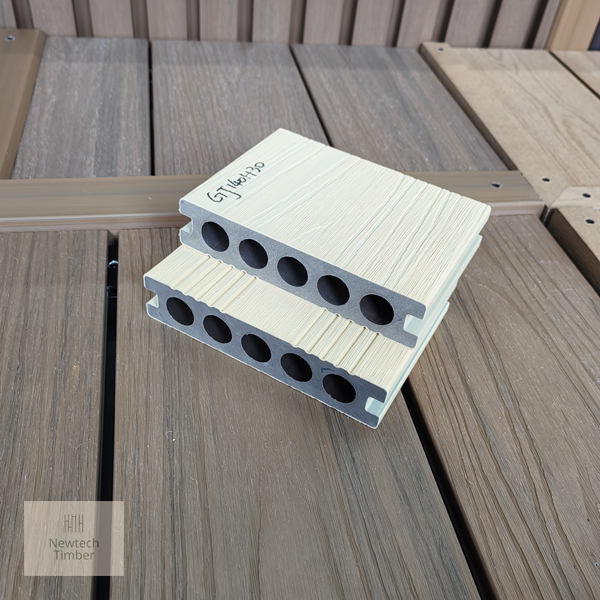
Decking boards usually require strong horizontal stacking systems because their long profiles can experience pressure during transportation. Factories design pallets with evenly spaced supports to prevent sagging and use protective separators between layers. Wall panels and fencing profiles may require different solutions because their shapes, locking structures, and decorative surfaces create unique protection requirements. Custom foam inserts, reinforced frames, and tailored carton sizes are often developed for OEM projects.
For international customers ordering mixed containers, packaging engineers also consider warehouse handling and installation processes. Clear product labels, batch information, and loading marks help distributors and installation teams identify materials quickly after arrival. Export packaging is designed to support the entire supply chain, from factory production lines to overseas warehouses and final construction sites.
Balancing Packaging Strength And Sustainable Goals
Modern WPC manufacturers are paying more attention to sustainable packaging strategies. A packaging engineer evaluates whether every layer of protection is necessary and looks for ways to reduce excess materials without lowering safety standards. Recyclable cardboard, reusable pallets, and optimised packing layouts help reduce environmental impact while maintaining reliable transportation performance.
Sustainable building materials require responsible logistics as well as responsible production. Efficient packaging allows more products to be loaded into containers, reducing transportation frequency and improving overall resource efficiency. For international brands and distributors, this approach supports environmental commitments while protecting valuable finished goods during export operations.
Quality Control Standards For Export Ready WPC Packages
Before shipment approval, packaging inspections are carried out alongside product quality checks. Engineers verify package compression strength, strap tension, moisture resistance, and stability during handling simulations. These checks are particularly important for overseas orders where replacing damaged materials can create delays, additional costs, and installation problems.
Close cooperation between production managers, quality supervisors, and packaging teams helps factories create reliable export systems. Feedback from international customers is also used to improve carton designs, pallet structures, and protection methods. Every shipping route provides practical data that helps refine future packaging solutions for decking boards, wall panels, and other WPC profiles.
Custom Export Packaging Supports Global WPC Growth
WPC factories serving international markets need packaging systems that match different climates, transport conditions, and customer expectations. A professional packaging engineer works with sales teams, product designers, and application specialists to create solutions suitable for residential, commercial, and landscape projects worldwide. Custom packaging can include private labels, specific loading instructions, and protective structures designed for unique product dimensions.
Strong export packaging allows manufacturers to build trust with overseas partners because product quality is preserved from production floor to final installation. As demand for outdoor composite materials continues to grow, advanced packaging design becomes an essential part of delivering reliable WPC solutions across global markets.

