Composite decking has gained significant popularity in recent years due to its durability, low maintenance, and aesthetic appeal. However, to ensure safe and effective installations, especially in ground contact applications, it is imperative to follow specific guidelines. These guidelines not only enhance the longevity and performance of the decking but also align with the global production capacity and price advantages that composite materials offer.
When considering composite decking for ground contact, it is essential to understand the material properties. Composite decking is generally made from a combination of wood fibers and plastic, which gives it unique characteristics. Unlike traditional wood, composite materials are resistant to rot, insects, and warping, making them suitable for ground contact applications. However, not all composite decking products are created equal. Products specifically designed for ground contact should be chosen, as they undergo rigorous testing to ensure they can withstand moisture and ground conditions without degrading over time.
One of the critical factors in the installation of composite decking in ground contact scenarios is drainage. Proper drainage is vital to prevent water accumulation around the decking, which can lead to mold growth, swelling, and eventual failure of the material. Use of gravel or crushed stone beneath the decking can enhance drainage, allowing water to flow freely and reducing the risk of damage. Additionally, installing the decking with a slight slope can facilitate water runoff, further protecting the integrity of the structure.
Another important guideline is to allow sufficient airflow around the decking. This can be achieved by ensuring that the installation has adequate spacing between boards and that the area is not overly obstructed by soil or vegetation. Air circulation helps to evaporate moisture that may accumulate, thus extending the life of the decking. Regular maintenance, such as cleaning debris and ensuring that the surrounding area is well-drained, can also contribute to the longevity of the installation.
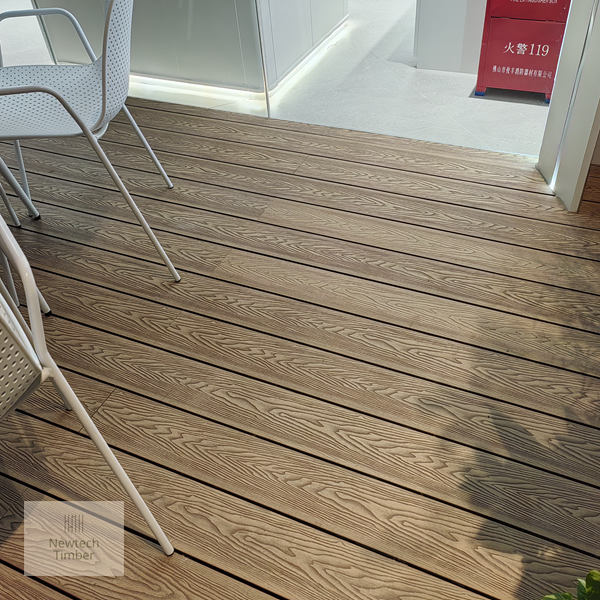
From a global perspective, the production capacity of composite decking materials has expanded significantly. Manufacturers are increasingly investing in advanced technologies to produce high-quality products that are both cost-effective and environmentally friendly. This increase in production capacity has led to a reduction in prices, making composite decking an attractive option for both residential and commercial projects. As more consumers and builders recognize the advantages of composite materials, the demand continues to rise, further incentivizing manufacturers to innovate and improve their offerings.
Price advantages also play a crucial role in the decision-making process for consumers. While the initial investment in composite decking may be higher than that of traditional wood, the long-term savings in maintenance and replacement costs are significant. Composite decking does not require staining, sealing, or regular treatments to maintain its appearance, which reduces ongoing expenses. Additionally, the durability of composite materials means that they can withstand harsh weather conditions and heavy foot traffic without the need for frequent replacements.

Furthermore, with the global shift towards sustainable building practices, many composite decking products are now made from recycled materials, which not only enhances their appeal but also aligns with environmentally conscious consumer preferences. This sustainability aspect can further reduce costs associated with waste disposal and resource extraction, providing a win-win scenario for both manufacturers and consumers.
Incorporating these guidelines into the installation of composite decking in ground contact applications will ensure a safe and effective outcome. By choosing products designed for such applications, prioritizing proper drainage and airflow, and understanding the benefits of the material from a global production and pricing perspective, homeowners and builders can make informed decisions that lead to successful installations. The combination of durability, low maintenance, and cost-effectiveness makes composite decking an excellent choice for a variety of outdoor projects, reinforcing its position as a preferred material in the market.

