Choosing the Right WPC Wall Panel Wholesalers
When selecting WPC wall panel wholesalers for bulk orders, it is paramount to consider the quality and performance of the products offered. As a WPC formulation development engineer, my focus lies in designing high-performance outdoor wood plastic composite formulas that meet the demands of decking, wall cladding, fencing, pergolas, and various landscape products. The right balance of wood fibre content, plastic ratio, and additives is essential in achieving durability and aesthetic appeal while controlling costs.
The raw materials used in WPC formulations significantly affect the final product’s properties. A higher wood fibre content typically enhances the natural look and feel of the panels, improving aesthetics and providing a degree of insulation. However, excessive wood content can lead to reduced mechanical strength and susceptibility to moisture. Therefore, it is crucial to work closely with suppliers who can provide consistent quality wood fibres, ideally sourced from recycled materials, to promote sustainability while maintaining performance.
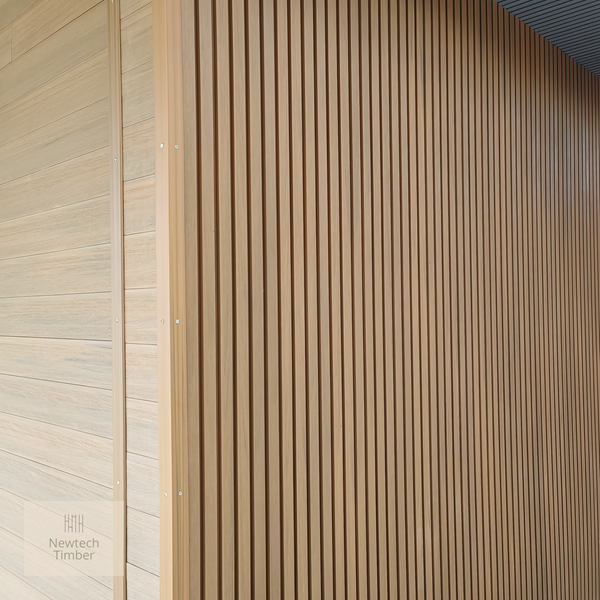
Balance of Plastic and Additives
The ratio of plastic to wood fibre in WPC formulations is another critical determinant of product performance. Typically, a blend of 60-70% wood fibre and 30-40% plastic yields optimal results. The choice of plastic, whether it be PVC, PE, or PP, influences the material’s durability, flexibility, and resistance to environmental factors. Additionally, incorporating additives such as UV stabilisers and anti-fungal agents can enhance the longevity of the wall panels, making them suitable for outdoor applications.
Moreover, ensuring that the formulation provides adequate resistance to weathering and wear is essential. The formulation must be designed to resist fading, discolouration, and degradation caused by exposure to sunlight and moisture. This not only extends the lifespan of the product but also reduces the need for frequent replacement, thus providing better value for money.
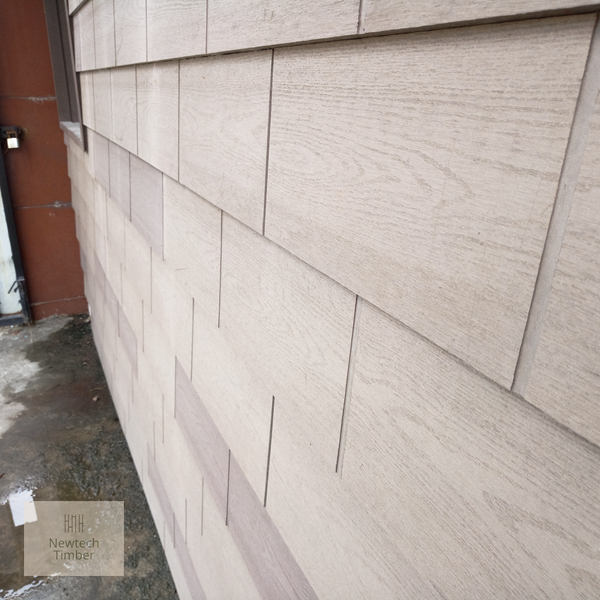
Cost Control in WPC Formulations
Cost control is a critical consideration when developing WPC wall panels, especially in the context of bulk orders from wholesalers. The selection of raw materials must align with the target price point without compromising on quality. Collaborating with reputable WPC wall panel wholesalers who offer competitive pricing can facilitate cost-effective production while ensuring high-quality outputs. It is also advantageous to engage in long-term partnerships with suppliers to negotiate better prices based on volume.
Another aspect of cost control is the optimisation of the manufacturing process. Streamlining production methods while maintaining stringent quality control can significantly reduce waste and improve efficiency. This is where the expertise of a WPC extrusion technology engineer comes into play, as they can implement advanced processing techniques that enhance the overall quality and performance of the final product.
Evaluating Product Lifespan
The lifespan of WPC wall panels is a vital consideration for both manufacturers and consumers. A well-designed formulation can result in products that last for many years with minimal maintenance. It is important to evaluate the performance characteristics of the panels under various environmental conditions, including high humidity, extreme temperatures, and exposure to UV rays. Testing these factors can provide valuable insights into the expected durability of the panels.
Monitoring the performance of WPC products in real-world applications can also guide future formulation development. Engaging with WPC wall panel wholesalers who have experience in the market can provide feedback on how different formulations perform under various conditions, leading to continuous improvement and innovation in product development.
Innovative Approaches to WPC Design
Innovation in WPC formulations is essential for staying competitive in the marketplace. As sustainability becomes increasingly important, exploring the use of biopolymers and other eco-friendly materials can enhance the appeal of WPC wall panels. This not only caters to consumer preferences but also positions the brand as a leader in sustainable building materials.
Furthermore, incorporating advanced manufacturing techniques, such as 3D printing and smart technology integration, can open new avenues for design flexibility and functionality. As a WPC application engineer, staying ahead of industry trends and consumer preferences will enable you to guide the formulation development process efficiently, ensuring that the products meet current and future market demands.

