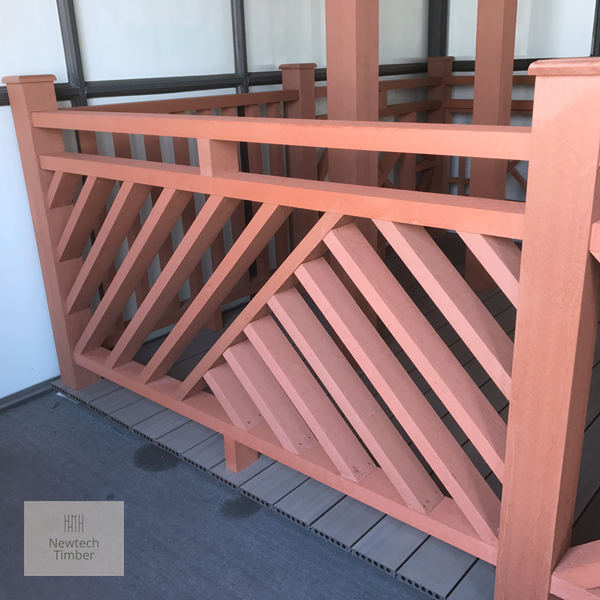
The Role of Composite Decking in Enhancing Outdoor Privacy
Composite decking used for fencing has emerged as a significant solution for enhancing outdoor privacy while providing an aesthetic appeal to residential and commercial spaces. These composite materials, primarily made from a blend of wood fibres and plastic, offer durability alongside a natural look. As an OEM customization specialist in a WPC factory, I see firsthand how these products can be tailored to meet diverse customer needs. The combination of functionality and style makes composite decking an appealing choice for those seeking privacy without compromising on design.
One of the primary reasons for the growing popularity of composite fencing is its ability to create a solid barrier that effectively blocks sightlines. Homeowners often desire a serene outdoor environment, and effective fencing solutions contribute significantly to this goal. Composite fencing panels are designed to be tall and robust, ensuring they can withstand various weather conditions while providing the necessary privacy. The aesthetic versatility of composite materials allows for a seamless integration into existing landscapes, significantly enhancing the overall appeal of outdoor spaces.
Customisation Options for Composite Fencing
Manufacturers of composite decking used for fencing offer a wide range of customisation options to accommodate the specific requirements of each customer. Profile dimensions can be adapted to fit individual project specifications, whether the need is for standard heights or bespoke lengths. This flexibility is essential for clients with unique landscaping features or those looking to adhere to specific privacy regulations.
In addition to dimensional customisation, colour options play a vital role in the appeal of composite fencing. Customers can choose from a palette of shades that mimic natural wood or opt for more contemporary colours to match their home’s exterior. Surface textures, too, can be tailored to provide varied finishes, from smooth to wood-grain appearances, ensuring that the fencing not only serves its purpose but also enhances the visual aesthetics of the property.
Branding and Packaging Solutions
For companies looking to integrate composite decking used for fencing into their product lines, the branding and packaging aspects are equally significant. Custom packaging solutions are available to help businesses effectively market their products. This includes bespoke boxes that reflect the brand identity, making it easier for customers to identify and choose their products in a competitive market.
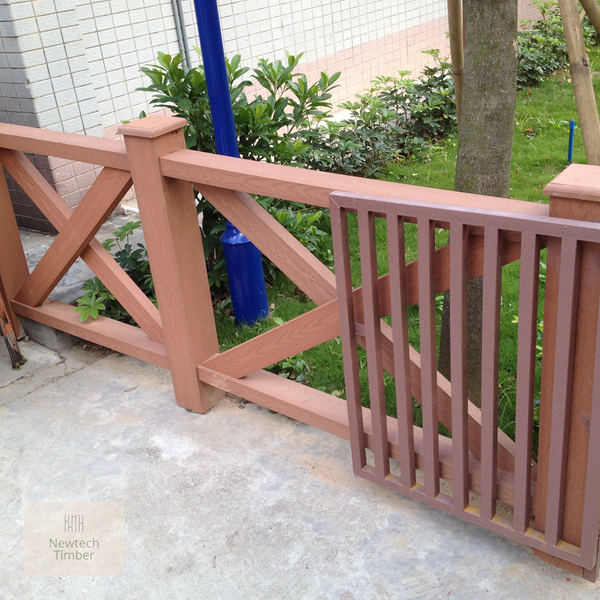
Moreover, businesses can take advantage of branding opportunities on the fencing materials themselves. Custom logos or labels can be printed directly on the fencing panels, reinforcing brand recognition while enhancing the product’s appeal. This level of customisation is essential for companies looking to establish a strong presence in the market.
Special Applications for Global Markets
As the global demand for composite decking used for fencing grows, manufacturers are also exploring special applications that cater to unique market needs. For instance, some regions may require fencing solutions that offer higher levels of resistance to environmental factors such as moisture, UV exposure, or extreme temperatures. By developing specialised formulations, manufacturers ensure their products meet the local climate challenges while still delivering on aesthetics and privacy enhancement.
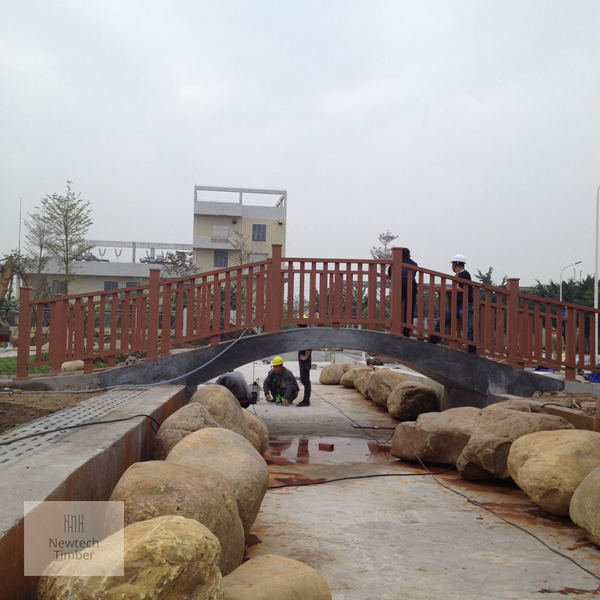
Furthermore, as sustainability becomes a priority for consumers worldwide, many manufacturers are focusing on eco-friendly composite materials that use recycled content. This trend not only appeals to environmentally conscious customers but also positions brands as leaders in sustainability. Customisation in this aspect allows companies to tap into niche markets that prioritise green building practices.
Quality Assurance in Composite Fencing Production
Additionally, with the rise of e-commerce and direct-to-consumer sales, ensuring product quality extends to the final delivery. Packaging must protect the product during transit while maintaining its aesthetic appeal. Manufacturers that prioritise quality assurance and customisation are better positioned to meet the evolving demands of customers, ensuring satisfaction and confidence in their solutions.