Environmental Benefits of WPC Cladding Panels
WPC cladding panels, made from a combination of recycled wood and plastic, present a significant advancement in sustainable building materials. By utilising recycled materials, these panels limit the demand for virgin timber, which is increasingly important in the context of deforestation and environmental degradation. The use of plastics, particularly those sourced from post-consumer waste, further reduces the ecological footprint associated with traditional building materials. This innovative approach not only promotes recycling but also diverts waste from landfills, making WPC an environmentally responsible choice.
The combination of wood and plastic in WPC cladding panels results in a product that is both lightweight and exceptionally durable. Unlike traditional wood cladding, which can warp, crack, or decay over time, WPC maintains its structural integrity and aesthetic appeal for many years. This durability translates to longer lifespans for buildings, reducing the need for frequent replacements and the associated consumption of resources, which is a key factor in sustainable construction practices.
Durability and Low Maintenance Requirements
One of the standout features of WPC cladding panels is their exceptional resistance to weather conditions, insects, and UV radiation. This resilience means that they do not require the regular painting or sealing that traditional wood cladding often needs to remain in good condition. Consequently, WPC cladding panels significantly reduce maintenance costs and efforts, making them a more practical solution for property owners and builders alike. The long-lasting nature of these materials further supports sustainability, as it minimises the frequency of repairs and replacements.
The ability of WPC to withstand diverse weather conditions also contributes to better building performance overall. For instance, WPC panels do not absorb moisture, which helps prevent mould and mildew growth. This resistance is particularly important in regions with high humidity or rainfall. As a result, buildings clad with WPC materials not only enjoy enhanced exterior protection but also promote healthier indoor environments.
Reduced Carbon Footprint
When comparing WPC cladding panels to conventional materials, they are found to have a lower carbon footprint due to the reduced energy required for their production and the incorporation of recycled content. The manufacturing processes for traditional options often involve significant energy consumption, contributing to greenhouse gas emissions. In contrast, the production of WPC cladding panels tends to be less energy-intensive, thereby aligning with the goals of reducing overall carbon emissions in the construction sector.
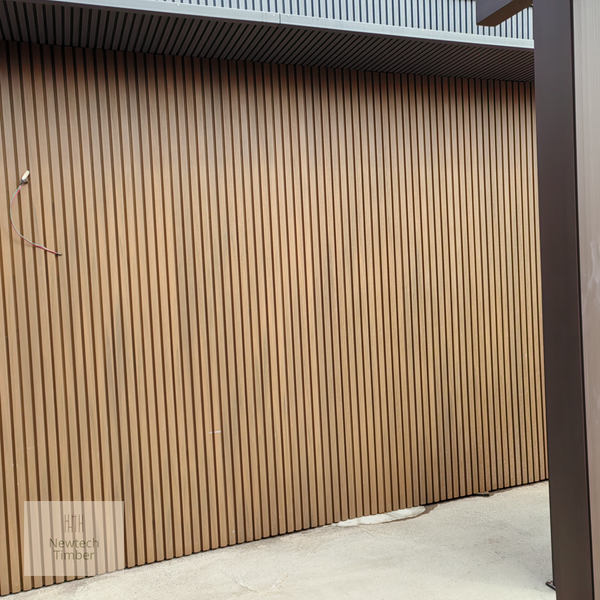
Moreover, by choosing WPC, builders and developers can contribute to a circular economy that prioritises the reuse and recycling of materials. This approach not only conserves natural resources but also fosters an industry shift towards more sustainable practices in construction, which is necessary for addressing global environmental challenges.
Versatility in Design and Aesthetics
WPC cladding panels offer a diverse range of colours, textures, and finishes, making them a versatile choice for any architectural style. This adaptability ensures that while promoting sustainability, there is no compromise on aesthetics. Architects and designers can achieve desired visual impacts, whether aiming for a modern look or a more traditional appearance. The ability of WPC to mimic the appearance of natural wood without the associated drawbacks only enhances its appeal.
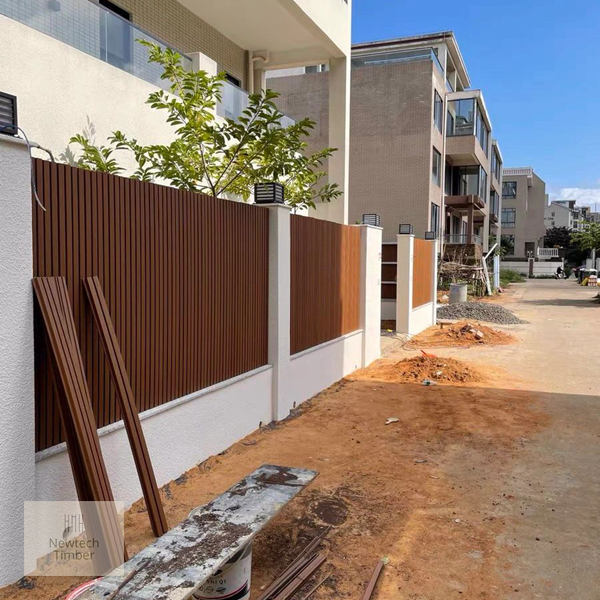
This versatility extends beyond aesthetics; WPC cladding panels can be customised for various applications, from residential buildings to commercial spaces. Such adaptability supports designers in creating structures that not only meet functional requirements but also align with sustainability goals. As the demand for eco-friendly materials continues to rise, WPC cladding becomes a prime option for forward-thinking construction projects.
As the construction industry increasingly shifts towards sustainable building materials, WPC cladding panels stand out as a forward-thinking choice. Their environmentally friendly composition, coupled with remarkable durability and low maintenance, positions them as a smart solution for exterior building protection. With ongoing innovations in material technology, the future of WPC looks promising, paving the way for even more efficient and sustainable applications in architecture and construction.

