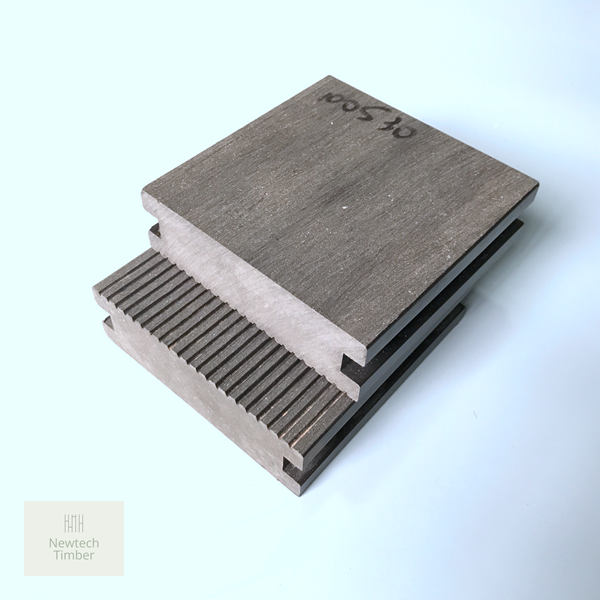
The Co-Extrusion Process Explained
The co-extrusion process is a pivotal innovation in the production of composite decking, combining two or more materials during a single extrusion process. This technique enables the formation of a protective layer around a core, significantly enhancing the durability and aesthetic appeal of the final product. The outer layer typically consists of a highly resistant polymer, which offers superior protection against UV rays, moisture, and wear. As a landscape engineering consultant, I frequently observe how architects and landscape designers harness this technology to create outdoor environments that are not only visually pleasing but also remarkably resilient.
By integrating this advanced method into their projects, designers can ensure that the decking maintains its colour and structural integrity over time, reducing the need for frequent replacements and maintenance. This is particularly advantageous in high-traffic areas such as parks, patios, and poolside environments, where wear and tear can quickly diminish the beauty of outdoor spaces.
Impact on Durability
The durability afforded by co-extruded decking materials is one of the primary reasons why architects opt for these products. The outer layer acts as a shield, protecting the core material from environmental stressors like moisture absorption, which can lead to mould growth and structural weakening. Furthermore, this protective layer is engineered to resist scratching and fading, factors that are critical in maintaining the longevity of outdoor installations.
As a landscape designer, it is vital to consider the specific environmental conditions of a project site when selecting materials. For instance, areas with high humidity or exposure to harsh sunlight benefit immensely from co-extruded materials. Their resistance to fading and moisture absorption ensures that the aesthetic quality remains intact, providing a long-lasting solution that aligns with the goals of sustainability and low maintenance.
Aesthetic Advantages
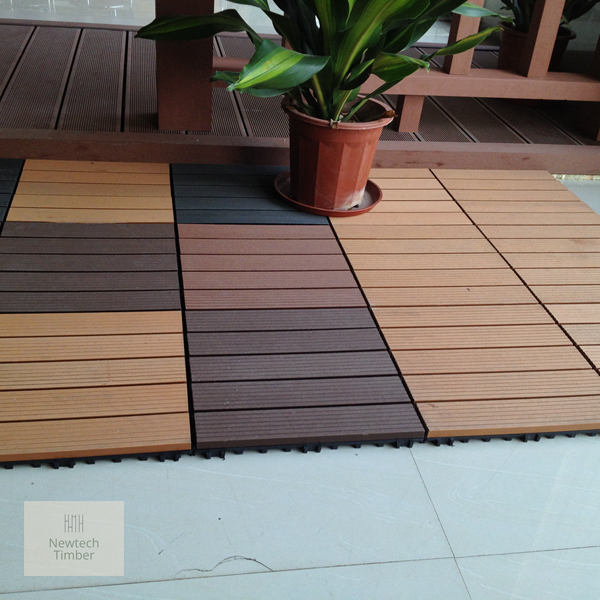
Apart from durability, the co-extrusion process allows for a diverse range of finishes and colours, enabling designers to achieve the desired look for their projects. The outer layer can be customised to mimic natural wood finishes, which appeals to architects looking to create a warm and inviting atmosphere in outdoor spaces. This versatility supports a cohesive design language across various elements, including decking, railing, and outdoor furniture.
The aesthetic benefits extend to the overall value of the property. High-quality composite decking that maintains its appearance over time can significantly enhance the appeal of residential and commercial developments alike. Property owners appreciate the visual consistency that co-extruded products offer, aligning with contemporary design trends that favour a seamless blend of nature and architecture.
Project Considerations for Landscape Designers
When selecting co-extruded decking materials, landscape designers should take into account the specific requirements and usage of the outdoor space. Factors such as foot traffic, exposure to weather conditions, and desired aesthetics should guide the choice of material. Engaging in discussions with suppliers who specialise in WPC products can provide valuable insights into the most suitable options for a project.
Additionally, considering the environmental impact is crucial. Many manufacturers of co-extruded decking utilise recycled materials in their production processes, aligning with sustainable building practices. By advocating for the use of eco-friendly materials, landscape architects contribute to reducing the carbon footprint of their projects while still delivering high-quality, durable solutions.
Material Selection Advice
It is essential for architects and landscape designers to thoroughly evaluate the certifications and testing results associated with co-extruded decking. These products should meet industry standards for performance, safety, and environmental impact. Engaging with trusted manufacturers who provide transparency about their materials and production methods can help in making informed decisions.
Another significant aspect is the installation process itself. Even the best materials can underperform if not installed correctly. Collaborating with skilled contractors familiar with the nuances of co-extruded products ensures that the decking is laid out effectively, optimising its performance and appearance. In summary, the co-extrusion process plays a vital role in enhancing both the durability and visual appeal of composite decking, making it an essential consideration for any landscape design project.