Importance of Co-Extrusion in WPC Decking
Co-extrusion technology has revolutionised the way we approach outdoor durability in WPC decking. This advanced manufacturing process involves creating two distinct layers of material that are fused together during production. The outer layer, typically engineered to be more resilient, provides excellent resistance against weather conditions, UV exposure, and wear and tear. The inner layer, often composed of recycled materials or lower-cost composites, maintains structural integrity while reducing overall production costs. By employing co-extrusion, manufacturers not only maximise the performance characteristics of their decking products but also meet environmental sustainability goals by using less virgin material.
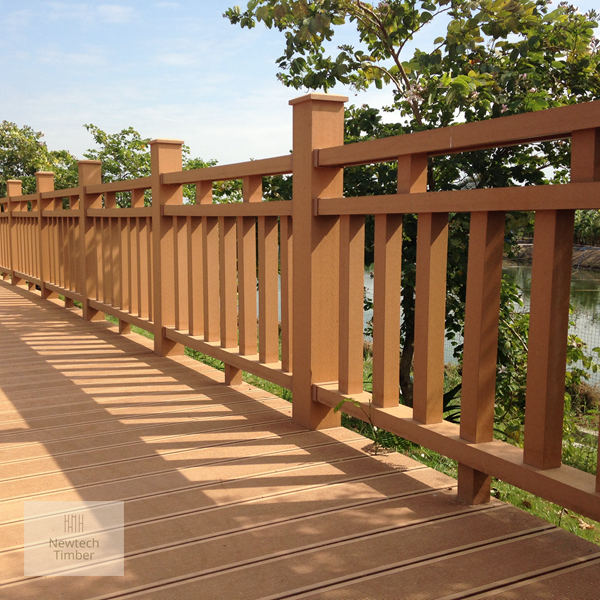
One of the primary benefits of co-extruded WPC decking is its ability to withstand extreme outdoor conditions without compromising aesthetic appeal. Traditional decking materials often require frequent maintenance, such as staining or sealing, but co-extrusion technology minimises these requirements. Consequently, homeowners and businesses alike find co-extruded decking an attractive option for long-lasting outdoor solutions.
Designing Export Packaging Solutions
When dealing with co-extrusion WPC decking, factories must invest considerable thought into export packaging solutions designed to protect these products during long-distance ocean transportation. The unique properties of co-extruded materials necessitate a tailored approach to packaging. Factors such as moisture control, cushioning, and structural stability play vital roles in ensuring that the product arrives at its destination in pristine condition.
Packaging engineers focus on creating solutions that accommodate the specific dimensions and weight of the decking boards. Strong, durable packaging materials, such as heavy-duty cardboard, plastic wrapping, or custom-made crates, are essential. This prevents damage from shifting during transit and protects against moisture ingress, which can lead to deterioration or warping of the WPC material. Special attention is given to the packaging design to ensure it can withstand the rigours of shipping while being cost-effective.
Protective Measures for WPC Decking
To further enhance the durability of co-extrusion WPC decking during transport, protective measures must be meticulously planned. Some manufacturers opt for corner protectors, which shield the edges of the boards from impacts that may occur during loading or unloading. Additionally, using shrink wrap or stretch film can provide an extra layer of protection against moisture and dust, which is particularly important during long journeys across oceans.
A significant concern for packaging engineers is the weight of the packaging. It is crucial to strike a balance between providing adequate protection and keeping shipping costs manageable. Innovations in lightweight materials are often explored to ensure that the final packaging solution is optimal for both protection and efficiency. The goal is to develop a packaging system that not only protects the product but also aligns with sustainable practices, reducing the carbon footprint associated with shipping.
Testing and Quality Control in Packaging
Quality control is paramount when designing export packaging for co-extrusion WPC decking. Rigorous testing procedures are employed to ensure that the packaging can withstand various conditions, including humidity, temperature fluctuations, and physical stresses encountered during transit. Engineers conduct drop tests and compression tests to simulate real-world conditions, allowing them to identify weaknesses in the packaging design before it is finalised.

Additionally, the packaging must comply with international shipping regulations and standards, which can vary depending on the destination country. This aspect requires close collaboration between packaging engineers and compliance specialists to ensure that all materials and designs meet the necessary criteria. By prioritising quality control, manufacturers can minimise returns and complaints, ultimately leading to increased customer satisfaction.
Sustainability in Packaging Design
As the demand for eco-friendly products continues to rise, the packaging of co-extrusion WPC decking must reflect sustainable practices. Many manufacturers are now exploring biodegradable or recyclable materials to replace traditional packaging options. This shift not only addresses environmental concerns but also appeals to a growing base of environmentally conscious consumers.
Moreover, the use of locally sourced materials can further reduce the carbon footprint associated with shipping. By choosing packaging that aligns with sustainable principles, companies can enhance their brand image while contributing positively to environmental conservation. This commitment to sustainability can also serve as a compelling selling point in marketing campaigns targeting both B2B and B2C markets.
The Future of Co-Extrusion WPC Decking Packaging
The evolution of co-extrusion WPC decking technology will likely drive further innovation in packaging solutions. As manufacturers continue to refine their processes, packaging engineers must stay ahead of trends to ensure that the protective solutions evolve alongside the products they safeguard. Advancements in smart packaging, such as sensors that monitor humidity and temperature, could provide valuable data during transit, thus ensuring optimal conditions for WPC materials.
In conclusion, the relationship between co-extrusion WPC decking and its export packaging is critical to the success of outdoor products in the global market. By prioritising durability, sustainability, and innovative design, manufacturers can ensure that their products reach consumers in the best possible condition, paving the way for a thriving outdoor living industry.

