Key Components of WPC Wall Panels
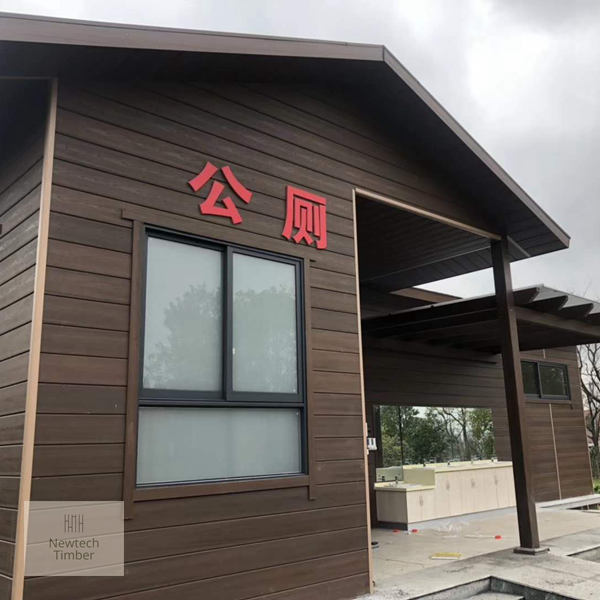
WPC wall panels, made from a blend of wood powder and polymers, offer an innovative solution for outdoor applications. Wood powder, derived from recycled wood, contributes to the panels’ aesthetic appeal while enhancing their structural integrity. The polymers, primarily high-density polyethylene (HDPE) and polyvinyl chloride (PVC), provide the necessary strength and flexibility. The combination of these materials forms a composite that resists common outdoor challenges such as moisture and UV exposure, which is vital for ensuring longevity in exterior environments. The careful selection and quality of these raw materials play a significant role in the durability and overall performance of the finished products.
In our Guangdong factory, we maintain stringent quality control measures to ensure that the wood powder used is free from impurities and is processed correctly. The polymers must meet specific industry standards for durability, which includes testing for tensile strength and impact resistance. The additives and pigments integrated into the composite also serve essential functions. For instance, UV stabilisers are added to minimise degradation from sunlight, while colour pigments ensure consistent and vibrant hues throughout the material.
Impact of Additives on Weather Resistance
Additives are crucial in enhancing the performance of WPC wall panels, particularly regarding weather resistance. These materials include stabilisers, lubricants, and processing aids that improve the manufacturing process and the final product’s resilience. For instance, the addition of anti-fungal agents can prevent the growth of mould and mildew, which is paramount for outdoor applications. Our factory utilises advanced testing procedures to assess how these additives perform under various environmental conditions.
Furthermore, we conduct accelerated weathering tests to simulate years of outdoor exposure in a condensed timeframe. This process allows us to evaluate the effectiveness of additive formulations and ensure that our WPC wall panels maintain their colour and structural integrity over time. This rigorous testing is critical to achieving compliance with international standards, which is increasingly important for our global clientele.
Performance Testing Methodologies
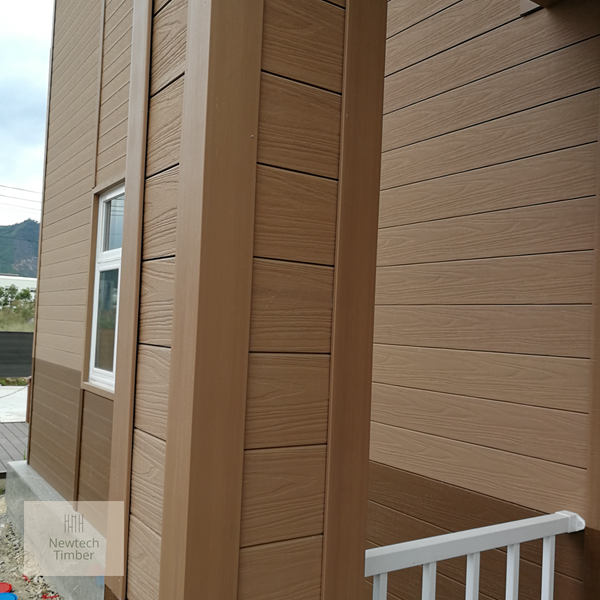
Before any WPC wall panel is approved for market distribution, it undergoes a comprehensive suite of performance tests. At our facility, we implement a variety of methodologies to assess critical properties such as moisture absorption, thermal expansion, and impact resistance. Moisture absorption tests help us understand how well the panels withstand wet conditions and prevent warping or swelling. This is particularly important for regions with high humidity or frequent rainfall.
Impact resistance is another vital aspect we evaluate. Our engineers perform drop tests where the panels are subjected to sudden impacts to assess their durability under real-world conditions. Additionally, thermal expansion tests measure how the panels react to temperature fluctuations. Understanding how materials behave in extreme conditions allows us to refine our product formulations continuously.
Installation Insights from WPC Wall Panel Videos
The practical aspects of installing WPC wall panels are often highlighted in instructional videos, which demonstrate the ease of installation while showcasing product features. These videos serve as educational tools, guiding contractors and DIY enthusiasts on best practices. Key features such as interlocking systems or hidden fasteners are emphasised, illustrating how these innovations contribute to a seamless finish and enhanced durability.
From our perspective as engineers, it is fascinating to observe how these installation techniques not only improve the aesthetic appeal of the final product but also influence its overall performance. For instance, proper alignment during installation can significantly affect the panels’ ability to withstand environmental stressors. These videos not only demonstrate installation techniques but also validate the engineering behind the product, showcasing its resilience and reliability.
Quality Assurance Standards in the WPC Industry
The WPC industry is governed by various quality assurance standards that ensure products meet consumer expectations and regulatory requirements. Our factory adheres to ISO certification, which provides a framework for quality management systems that enhance customer satisfaction through effective processes. Regular audits and inspections are conducted to maintain compliance with these standards, ensuring that every batch of wall panels produced meets the highest quality benchmarks.
Additionally, we stay updated with advancements in the industry and evolving regulations, which allows us to continually improve our processes. This commitment to quality not only enhances the durability and performance of our WPC wall panels but also builds trust with our clients in international markets. By ensuring that our products comply with recognised standards, we position ourselves as a reliable manufacturer in the competitive landscape of outdoor building materials.

