Importance of Composite Deck Footings
Creating a stable and long-lasting deck begins with robust composite deck footings. These foundations are essential in ensuring that your outdoor decking can withstand various environmental conditions and loads. Composite materials, known for their durability and resistance to moisture, are particularly well-suited for footings. By using high-quality materials, the structural integrity of the entire decking system is significantly enhanced, allowing for extended use in diverse outdoor settings.
Properly constructed footings distribute weight evenly, preventing sagging or shifting over time. When installed correctly, these foundations offer maximum stability, enabling the use of composite decks in various applications, from residential gardens to commercial landscapes. The reliability of composite deck footings is paramount, especially in high-traffic areas such as hotels, parks, swimming pool zones, and public facilities.
Applications in Residential Gardens and Outdoor Spaces
Residential gardens are increasingly adopting composite decking for their aesthetic appeal and low maintenance requirements. Footings designed for these decks provide a solid base for various outdoor furnishings and landscaping features. For instance, consider a raised deck that overlooks a beautifully landscaped garden. The footings must be sufficiently robust to support not only the deck structure itself but also any furniture, planters, and recreational features.

In addition to their aesthetic value, composite decks in residential gardens can serve practical purposes, such as creating outdoor dining areas or relaxation spots. Properly installed footings ensure that these spaces remain functional and safe, providing family members and guests with a comfortable environment for gatherings. The versatility of composite materials allows for creative design options, enabling homeowners to tailor their outdoor spaces to their unique preferences.
Commercial Landscaping and Hotel Applications
In commercial landscapes and hotel settings, composite deck footings play an integral role in creating inviting outdoor spaces that enhance the guest experience. Footings must be designed to accommodate various elements, including pathways, patios, and seating arrangements, ensuring stability under high foot traffic. In hotels, outdoor decks are often used for dining or lounging, requiring reliable footings that can support the weight of heavy furniture and equipment.
When selecting materials for composite footings in commercial applications, it is crucial to consider factors such as load-bearing capacity, moisture resistance, and environmental impact. Using sustainable WPC products can significantly reduce the carbon footprint of these outdoor spaces while providing the necessary durability to withstand the rigours of everyday use. This approach not only enhances the visual appeal of the property but also contributes to a more sustainable future.
Footings for Balconies and Swimming Pool Areas
Balconies and swimming pool areas represent unique challenges when it comes to composite deck footings. In these environments, footings must be exceptionally strong to handle not only the weight of the deck but also the additional forces exerted by users and wet conditions. Ensuring that the footings are designed to prevent water accumulation and allow for proper drainage is vital to longevity.
For balconies, the design must account for both aesthetic and safety features, such as railings and seating areas. Footings that are not adequately supported may lead to structural failures, presenting significant safety risks. Similarly, in swimming pool areas, where constant exposure to water is a given, composite footings need to be resistant to rot and decay. By opting for quality WPC materials, builders can create beautiful, functional spaces that will last for years, ensuring a safe environment for all users.
Public Facilities and Sustainable Solutions
Public facilities such as parks and community centres benefit greatly from the use of composite decking and its footings. The footings must be able to withstand the rigours of public use while being adaptable to various designs and layouts. In addition to being robust, sustainability is a key consideration when constructing footings for public spaces. By integrating eco-friendly materials into the design, facilities can promote environmental responsibility without sacrificing durability or performance.
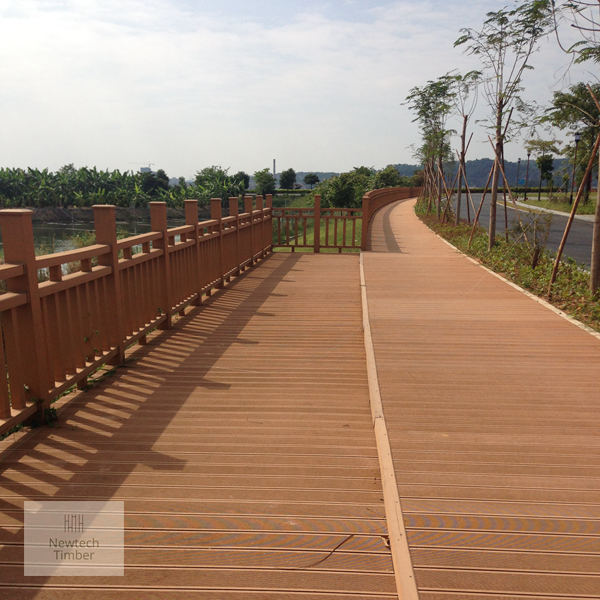
In selecting the appropriate footings for these applications, collaboration with WPC application engineers can provide valuable insights. They can assess site conditions and recommend designs that not only meet structural requirements but also align with sustainability goals. This approach ensures that public spaces remain inviting and functional for all, supporting community engagement and outdoor activities.

