Choosing the Right Material for Exterior Decking
When selecting exterior decking for gardens, balconies, and terraces, the choice of material plays a significant role in durability, aesthetics, and maintenance. Wood, composite, and PVC are the primary materials available, each offering its own unique benefits and drawbacks. Natural wood, while aesthetically pleasing, requires regular maintenance, including staining and sealing, to protect against weathering and pests. Composite decking, made from a blend of recycled wood fibres and plastic, provides a more sustainable option that combines the look of wood with enhanced durability against moisture and UV rays.
WPC, or Wood-Plastic Composite, is increasingly favoured in the outdoor decking market due to its resistance to splintering, fading, and warping. It is an excellent choice for those looking to minimise maintenance while enjoying a natural wood appearance. When selecting a material, consider the specific climate conditions of your location, as these can impact the longevity and performance of different decking types.
Evaluating Aesthetic and Design Considerations
Aesthetics play a critical role in the selection of exterior decking. The colour, texture, and finish can dramatically influence the overall look of your outdoor space. WPC offers a variety of finishes that can mimic the appearance of hardwood while providing a more uniform look that is resistant to fading. This versatility allows for seamless integration with various architectural styles, from modern to rustic, enhancing the visual appeal of gardens and terraces.
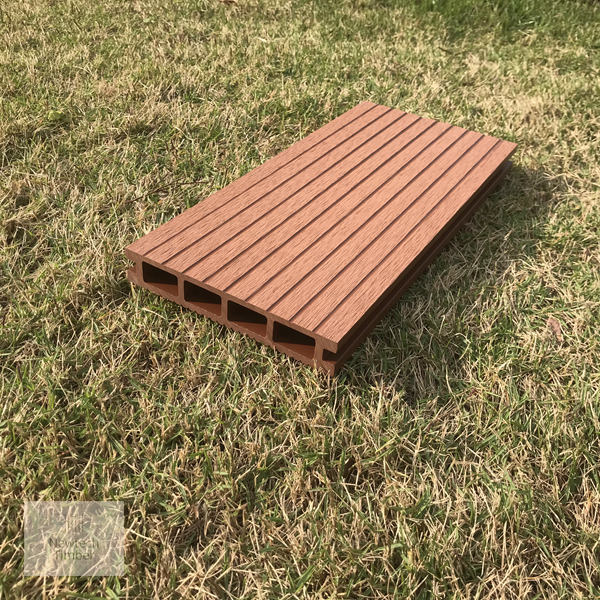
Additionally, the choice of colour should complement existing landscaping and exterior features. Lighter colours can create a feeling of openness, while darker shades may offer a more intimate and sophisticated atmosphere. It is essential to visualise how the decking will interact with other elements in the outdoor space, such as furniture, plants, and structural components.
Considering Environmental Impact and Sustainability
Increasingly, buyers are prioritising environmentally friendly choices in construction materials. WPC decking is often made from recycled materials, making it a more sustainable option compared to traditional wood. This not only helps in reducing waste but also lowers the demand for virgin timber, which is a significant contributor to deforestation. Choosing WPC for exterior decking can therefore contribute to eco-friendly building practices while providing a durable and stylish solution.
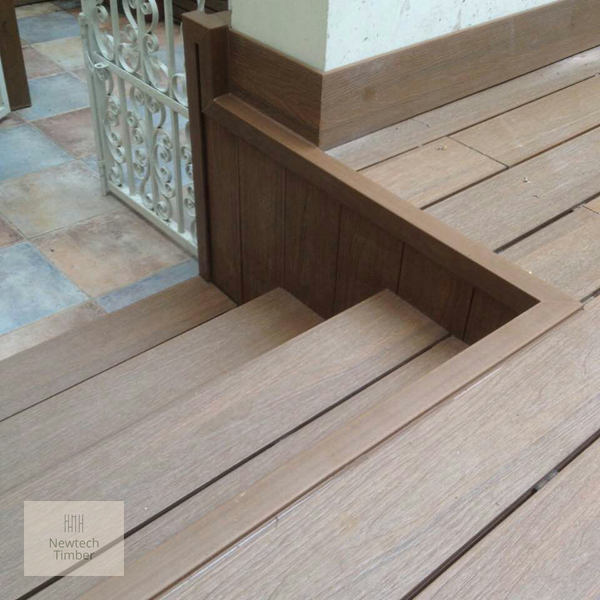
Furthermore, many manufacturers are committed to sustainable practices, ensuring that their products are sourced and produced in ways that minimise environmental impact. When selecting a decking material, inquire about the manufacturer’s sustainability certifications and practices, as these can significantly influence your product’s overall ecological footprint.
Installation and Maintenance Requirements
The installation process of exterior decking can vary based on the material selected. Composite and WPC products typically offer simpler installation processes due to their lightweight nature and interlocking systems. This can lead to reduced labour costs and time on site, making them a practical choice for commercial applications as well. Consideration should also be given to the layout of the decking; designs that allow for proper drainage will help enhance longevity and performance.
Maintenance requirements differ significantly between materials. While traditional wood needs regular treatment and inspection for damage, WPC and composite decking can often be cleaned with soap and water, requiring minimal upkeep. Understanding these maintenance needs is essential for making an informed decision that aligns with your budget and long-term satisfaction.
Cost Considerations and Longevity
Cost is a significant factor in selecting exterior decking, as prices can range considerably based on material and brand. While natural wood might appear less costly initially, the long-term expenses associated with maintenance and replacement can accumulate. In contrast, WPC and composite options tend to have a higher upfront cost but offer substantial savings over time due to their durability and low maintenance. It is crucial to perform a cost-benefit analysis, taking into account expected lifespan and maintenance requirements, to arrive at a financially viable decision.
Investing in quality materials not only enhances the aesthetic value of your outdoor space but also guarantees longer-lasting performance. A well-chosen decking material can elevate the functionality and enjoyment of gardens, balconies, and terraces, making it a worthwhile investment for any property owner.

