Material Composition and Strength
The strength of composite decking materials largely depends on their composition. Wood-plastic composite (WPC) is engineered from a blend of wood fibres and recycled plastic, resulting in a product that offers enhanced durability compared to traditional timber. This enhanced durability is crucial when evaluating composite deck materials. A well-structured WPC profile can withstand various loads without sagging, making it an ideal choice for outdoor applications. The addition of polymers also contributes significantly to moisture resistance, lowering the likelihood of warping or splitting over time.
When comparing composite deck materials, examine the formulation used in their manufacture. Higher percentages of plastic in the blend often lead to increased strength, while too much wood content can compromise the integrity of the material. Hence, a thorough understanding of the specific ratios of wood to plastic is essential for making an informed decision.
Profile Designs: Hollow vs. Solid Structures
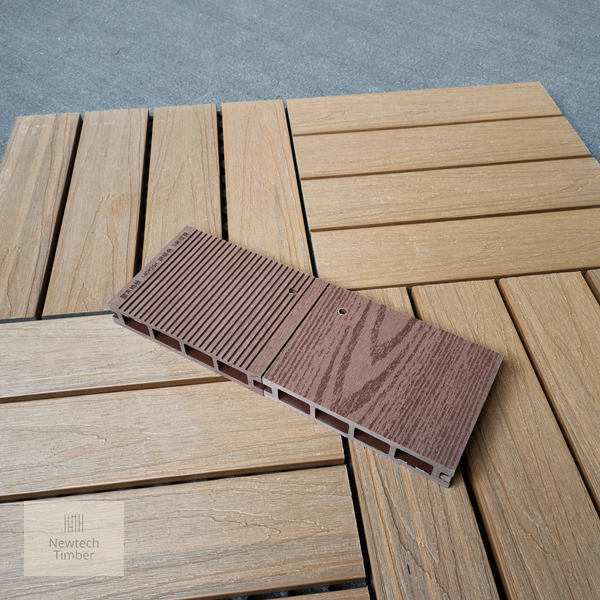
Profile design plays a pivotal role in the performance characteristics of decking materials. Hollow structures, for example, offer a lighter alternative to solid profiles, resulting in ease of handling and installation, which can be particularly beneficial for DIY projects. However, they may not provide the same level of rigidity or weight-bearing capacity as solid structures. Solid profiles tend to be more robust and are less likely to flex under heavy loads, making them ideal for high-traffic areas.
While hollow profiles may seem more cost-effective at first glance, it is essential to consider the long-term implications. Solid profiles, despite a higher initial investment, often prove to be more cost-effective in the long run due to their durability and lower maintenance requirements.
Rib Designs and Weight Distribution
The design of ribs within the composite deck profile significantly influences weight distribution and overall strength. Ribbed profiles provide added support, enhancing the structural integrity of the decking while reducing the material needed. This design innovation can lead to a lighter product without sacrificing performance. It is crucial, however, to ensure that the ribbing is optimally spaced and sized to handle the anticipated load.
Weight is not merely a consideration for handling; it directly impacts the installation process. Heavier materials may require additional support structures during installation, potentially increasing overall project costs. Therefore, when engaging in a composite deck materials comparison, assessing rib designs and their impact on the final weight of the product can provide valuable insights into both strength and installation efficiency.
Surface Patterns and Aesthetic Considerations
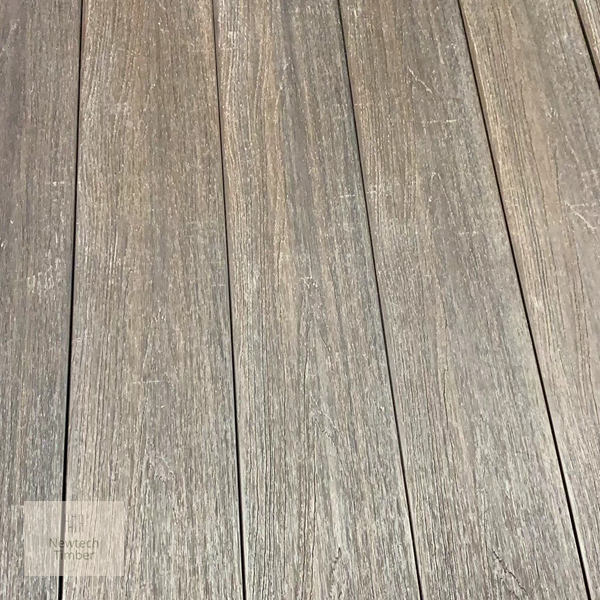
The surface pattern of composite decking plays an essential role in both aesthetics and functionality. Textured surfaces can enhance slip resistance, an important factor for outdoor spaces exposed to moisture. The visual appeal of the decking can also influence consumer choices, with various patterns available that mimic the look of natural wood. This aesthetic flexibility allows homeowners and project managers to select materials that align with their design objectives.
However, it is important to note that surface patterns can affect maintenance requirements. Smooth surfaces might be easier to clean, while more textured options could trap dirt and require more intensive care over time. Evaluating these factors in a composite deck materials comparison can help in selecting a product that balances beauty with practicality.
Cost Implications of Design Choices
Ultimately, investing in high-quality materials with sound engineering can result in significant long-term savings. By analysing the total cost of ownership, including installation, maintenance, and replacement, one can make a more informed choice that aligns with both budget constraints and performance expectations.

