Choosing the Right Tools for WPC Flooring Installation
When embarking on a project that involves WPC flooring, the importance of selecting the right tools cannot be overstated. Given the composite nature of wood-plastic composites, using the correct cutting tools can significantly affect the results. Circular saws and mitre saws are typically preferred for their efficiency and ability to produce clean, precise cuts. Using a fine-toothed blade designed for cutting engineered wood can further enhance the quality of the cut, minimizing chipping and ensuring a smooth edge. It is also advisable to invest in quality measuring tapes and squares to ensure accuracy, preventing any costly mistakes during installation.
Preparing the Workspace for Safety
Safety should always be a priority during the installation process. Ensuring that the workspace is clear and free of hazards is essential. This includes not only removing obstacles but also setting up a proper cutting station that is stable and secure. A workbench with clamps can help hold the WPC boards in place while cutting. Additionally, wearing safety goggles and a dust mask is vital to protect against flying debris and inhalation of dust particles. Being mindful of these safety precautions can prevent accidents and injuries, creating a more efficient workflow.
Techniques for Cutting WPC Flooring
When cutting WPC flooring, precision is key. Begin by measuring the area where the boards will be installed, marking the necessary lengths clearly on the material. It is advisable to make the cuts from the backside of the board to avoid splintering the surface layer. When using a circular saw, maintaining a steady and slow pace allows for a cleaner cut, while also ensuring that the saw does not bind in the material. For intricate cuts or notches that may be required around obstacles, a jigsaw can be an effective alternative, especially when fitted with a fine-toothed blade. This technique ensures that the WPC flooring fits seamlessly into various landscape designs, from patios to walkways, creating a polished final look.
Considerations for Outdoor Applications
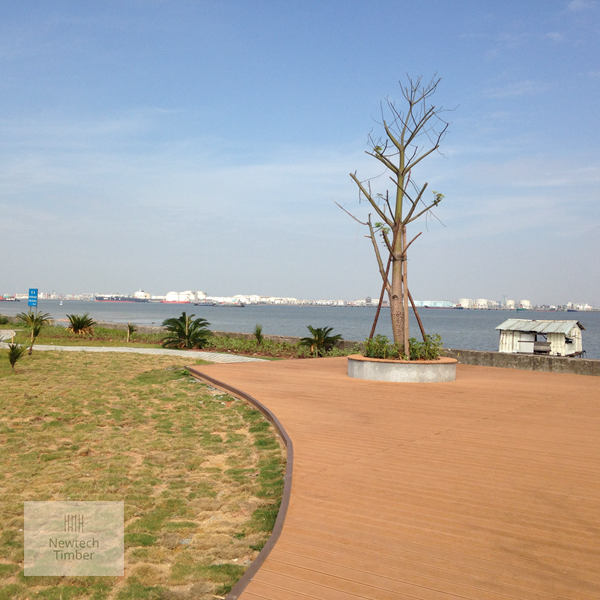
Architects and landscape designers often turn to WPC materials for outdoor applications due to their durability and low maintenance requirements. WPC flooring can withstand harsh weather conditions without warping or splintering, unlike traditional timber. When selecting WPC products, it is essential to consider the intended use and potential exposure to moisture. For areas prone to high humidity or water exposure, choosing a WPC with enhanced waterproof properties can extend longevity. Furthermore, understanding the thermal expansion properties of WPC materials can help mitigate issues related to temperature fluctuations, particularly in climates with significant seasonal changes.
Ensuring a Proper Fit During Installation
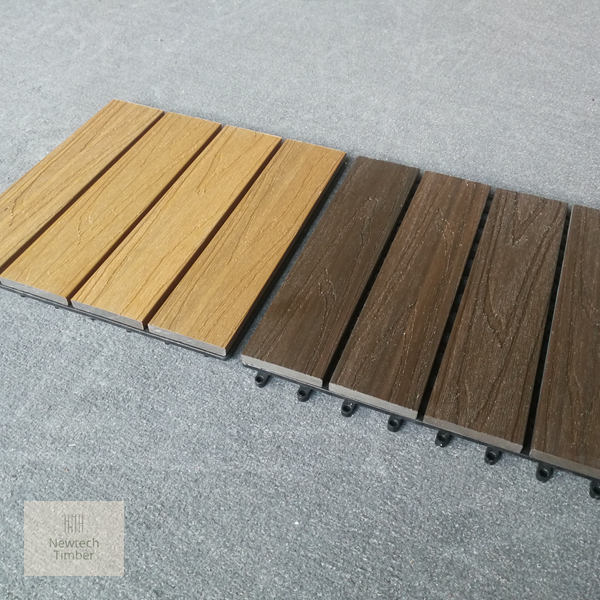
After cutting the WPC flooring, ensuring a proper fit is crucial for a successful installation. Before finalising the placement, it is beneficial to lay the boards out in the intended pattern without fastening them. This allows for adjustments to be made if any cuts are slightly off or if the boards do not align as intended. Gaps between the boards can lead to water accumulation and potential damage over time, so careful attention should be given to spacing. Using spacers can assist in maintaining consistent gaps, contributing to an aesthetically pleasing and functional outdoor environment.
Maintenance and Longevity of WPC Flooring
Once the WPC flooring has been installed, ongoing maintenance remains essential to preserve its appearance and functionality. Although WPC materials are designed to be low maintenance, routine cleaning to remove dirt and debris is advisable. A simple wash with soap and water often suffices, and for tougher stains, a soft brush may be employed. Refraining from using harsh chemicals is critical, as these can degrade the composite material over time. Additionally, periodic inspections for loose or damaged boards can prevent larger issues down the line, ensuring the integrity of the installation. By adhering to these practices, landscape architects and designers can maximise the lifespan and performance of WPC flooring in their projects.