Preparing the Concrete Surface
Installing composite wood decking over concrete surfaces begins with careful preparation of the concrete. The surface must be clean, dry, and level to ensure a stable foundation for the decking. This involves removing any debris, dirt, or oil stains that could interfere with the adhesion and support of the decking boards. Any cracks or imperfections should be repaired to create a smooth surface. Depending on the condition of the concrete, a pressure wash may be necessary, followed by a thorough drying period to eliminate moisture.
It is essential to assess the slope of the concrete surface. A slight slope away from the building is important to prevent water pooling, which could lead to premature degradation of the decking materials. If the concrete is particularly uneven, the installation of a sleeper system, which consists of treated wood or plastic, may be required to create an even base for the decking.
Choosing the Right Composite Decking
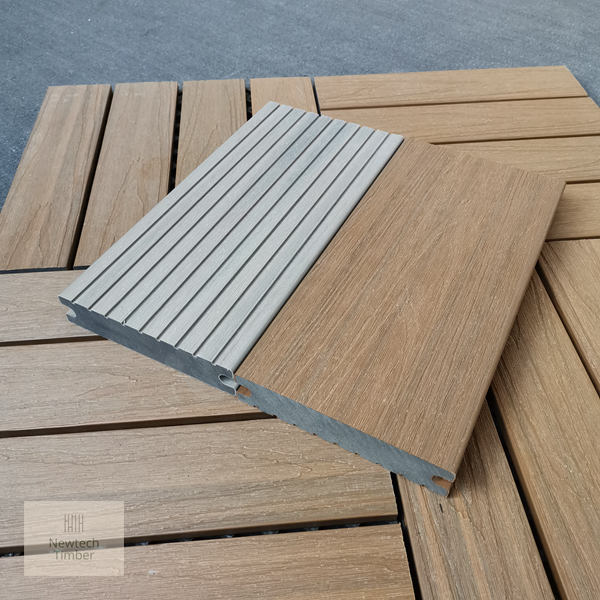
Selecting the appropriate type of composite wood decking is crucial for successful installation and long-term performance. Factors to consider include the product’s density, colour, and surface texture. As a manufacturer with over ten years of experience in Guangdong, we offer a range of composite decking options specifically designed for outdoor use. Our products are engineered to withstand harsh weather conditions while maintaining their aesthetic appeal.
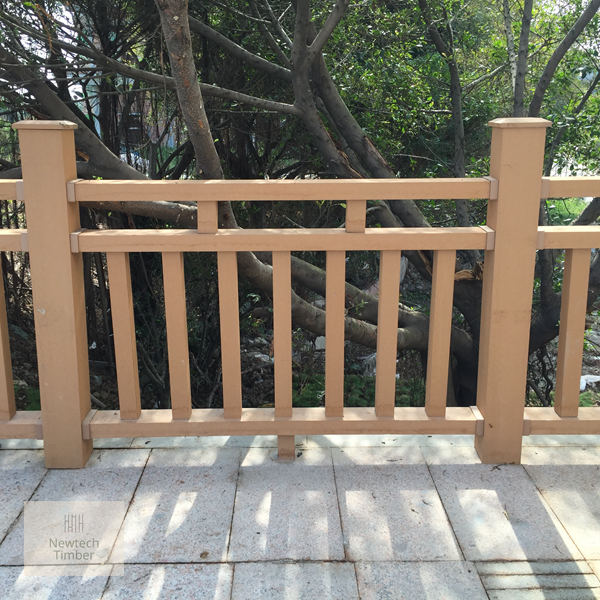
It is advisable to choose composite decking that comes with a warranty, as this often indicates the manufacturer’s confidence in their product’s durability. Additionally, opt for materials that have received positive feedback regarding their performance on concrete surfaces. This ensures that the decking will not warp or become damaged over time.
Installation Techniques
The installation process for composite wood decking over concrete involves several key steps. Once the concrete surface is prepared and the decking has been chosen, the first task is to lay down a moisture barrier. This prevents moisture from the concrete from affecting the decking materials. Typically, a heavy-duty plastic sheeting is recommended for this purpose.
Following this, the sleeper system can be installed if necessary. Begin by laying the sleepers perpendicular to the direction of the decking boards, spacing them appropriately to support the weight and design of the decking. Secure them using concrete screws or anchors, ensuring they are level. Once the sleepers are in place, start fastening the composite decking boards to the sleepers. Using hidden fasteners can create a more polished look, while also allowing for expansion and contraction.
Maintenance Considerations
Maintaining composite wood decking over concrete surfaces is relatively straightforward, but it does require regular attention. Unlike traditional wood, composite materials are less prone to rot and insect damage. However, periodic cleaning is essential to remove dirt and debris, which can accumulate over time. A simple mixture of soap and water can be used to keep the surface looking fresh.
It is also prudent to inspect the deck for any signs of wear or damage, especially after heavy rain or snow. Addressing minor issues promptly can prevent them from escalating into more significant problems. Our commitment as a manufacturer is not only to provide quality products but also to support our customers with reliable advice and maintenance tips.
Benefits of Composite Decking Over Concrete
Installing composite wood decking over concrete offers numerous advantages that should not be overlooked. Firstly, composite decking is less susceptible to fading and staining compared to traditional wood, which means it retains its aesthetic appeal for longer. Additionally, it provides a warmer, more comfortable surface underfoot, making outdoor areas more inviting.
Moreover, composite materials are typically designed with slip-resistant surfaces, making them safer in wet conditions. With proper installation and maintenance, composite wood decking can significantly enhance the usability and visual appeal of outdoor spaces, providing a durable and attractive solution for homeowners and businesses alike.

