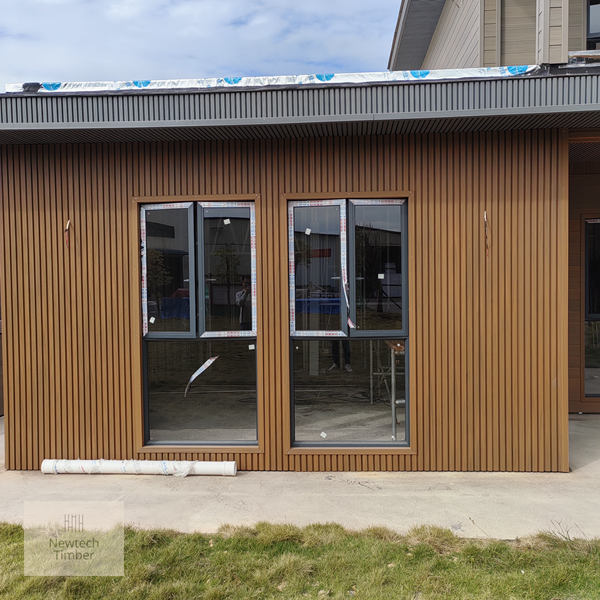
Choosing the Right WPC Panel Design for Modern Exteriors
When selecting wood plastic composite (WPC) panel designs for modern exterior decoration, it is essential to consider various factors that influence the overall quality and performance of the end product. As a Raw Material Quality Control Engineer in a leading outdoor WPC factory in Guangdong, China, I understand that the selection of raw materials is paramount. Each component, from wood powder to polymers and additives, can significantly affect the durability, weather resistance, and aesthetic appeal of WPC panels.
The Role of Wood Powder in WPC Panels
Wood powder is one of the primary ingredients in the formulation of WPC panels. The type and quality of wood used can influence the final product’s strength and appearance. High-quality wood powder contributes to better bonding with polymers, ensuring that the panels maintain structural integrity over time. It also plays a role in the panel’s aesthetics, as finer wood particles can create a more uniform finish. During factory inspections, I emphasise the importance of sourcing wood powder from reliable suppliers who adhere to strict quality standards, ensuring that the wood is free from contaminants and inconsistent particle sizes.
Polymers: HDPE and PVC Considerations
The choice between high-density polyethylene (HDPE) and polyvinyl chloride (PVC) polymers is another critical decision in WPC panel design. HDPE is known for its superior impact resistance and flexibility, making it ideal for applications subject to mechanical stress. On the other hand, PVC offers better weather resistance and UV stability, which is crucial for outdoor applications. In our factory, we conduct comprehensive tests to assess the performance of both polymer types under varying environmental conditions. This includes exposure to high temperatures, moisture, and UV light to ensure that the final product will perform reliably.
Additives and Their Importance
Additives enhance the properties of WPC panels and can include stabilisers, flame retardants, and processing aids. Each additive serves a specific purpose, such as improving thermal stability or enhancing colour retention. In our quality control processes, we evaluate the concentration of each additive used in the formulation. This ensures that we do not compromise the health and safety of the product while achieving the desired performance characteristics. Regular audits of our additives suppliers further ensure consistency and adherence to regulatory standards.
The Role of Pigments in Aesthetic Appeal
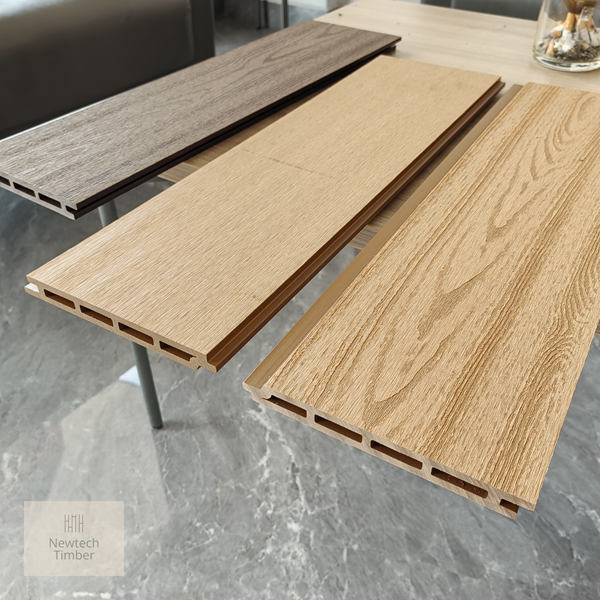
In modern exterior designs, aesthetics cannot be overlooked. Pigments play a significant role in the colour and finish of WPC panels. Selecting high-quality, weather-resistant pigments is crucial to prevent fading and discolouration over time. During inspections, we check for uniformity in pigmentation and ensure that the colours meet customer specifications. This attention to detail guarantees that the final product not only performs well but also integrates seamlessly into contemporary architectural styles.
Modifiers for Enhanced Performance
Modifiers are used to improve the processing and performance characteristics of WPC panels. They can enhance the surface properties, making panels more resistant to scratching and staining. In our factory, we apply specific modifiers based on intended applications, ensuring that the products are fit for their purpose. For instance, if a panel is designed for high-traffic areas, we might use a modifier that improves its durability and extends its lifespan. Quality control checks involve assessing the efficacy of these modifiers through performance testing, ensuring that each batch of WPC panels meets established benchmarks.