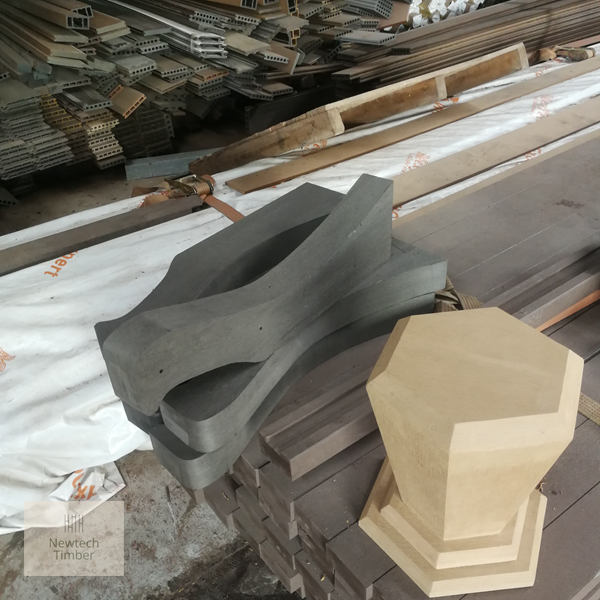
Modern Applications of WPC Panel Roofs
WPC panel roofs present an innovative solution for modern architectural designs, seamlessly integrating functionality with aesthetic appeal. These roofs are crafted from wood-plastic composites, offering an enticing blend of durability and elegance that caters to the evolving demands of contemporary buildings. When considering WPC panel roofs, designers are increasingly drawn to their versatility which allows for creative expression through various colours and textures. The array of finishes available means that homeowners and architects can choose options that complement their overall design vision, whether it be a sleek, minimalist aesthetic or a more rustic, organic look.
The inherent properties of WPC materials also provide excellent thermal insulation, enhancing energy efficiency in buildings. As part of the exterior envelope, a WPC panel roof not only protects against the elements but also contributes to the overall sustainability of the structure, aligning with modern trends that favour eco-friendly materials.
Transformative Design Trends
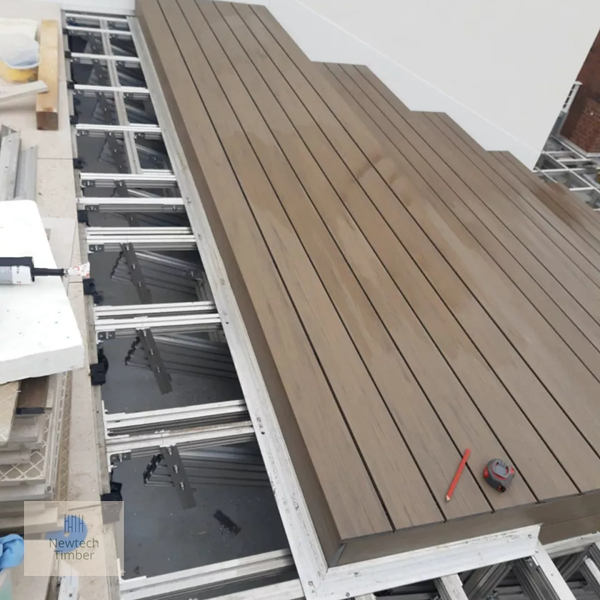
Design trends currently favour open, airy spaces that encourage outdoor living, and WPC panel roofs are perfectly suited to this concept. By extending the living area outdoors, they create a seamless transition between indoor and outdoor environments. This allows for the incorporation of elements such as pergolas and gazebos that can be constructed with matching WPC materials, ensuring a cohesive look throughout the space. The modular design of WPC panels simplifies the installation process, resulting in quicker project completion times.
Moreover, the flexibility of WPC allows for customisation in terms of profiles and shapes. This adaptability means that designers can create unique architectural features that enhance visual interest and functionality, while also adhering to modern principles of sustainability. The incorporation of biophilic design elements, bringing nature into the built environment, is made easier with the variety of natural finishes available in WPC panels.
Colours and Textures for Creative Expression
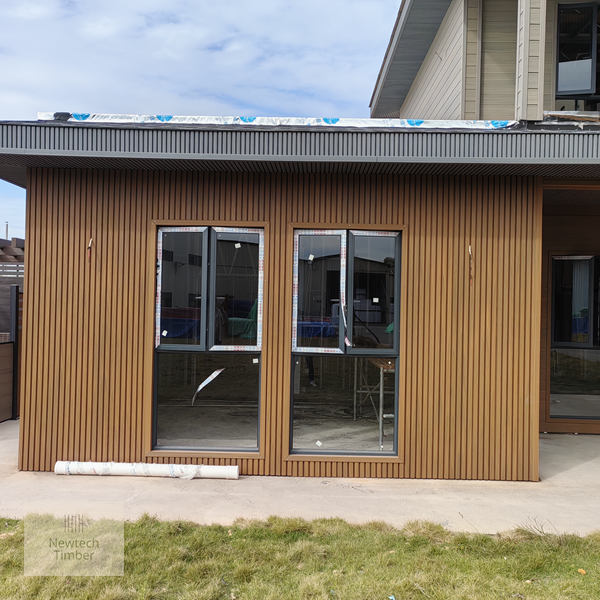
When it comes to designing outdoor spaces, the choice of colours and textures plays a pivotal role. WPC panels are available in a spectrum of hues, ranging from deep earthy tones to bright, bold colours, giving designers the freedom to explore their creative vision. Textural variations, such as wood grain finishes, simulate natural materials while offering the added benefit of low maintenance. This combination of aesthetics and practicality makes WPC panels an appealing choice for both residential and commercial projects.
Incorporating diverse textures can also help to distinguish different areas within a landscape, guiding the flow of movement and enhancing the user experience. Designers can play with contrasting surfaces, such as employing smooth, sleek panels alongside textured options to create visual dynamism.
Enhancing Outdoor Living Spaces
Outdoor living is no longer just about a simple patio or deck; it encompasses entire environments that encourage relaxation and social interaction. WPC panel roofs add to this atmosphere by providing shade and shelter, extending the usability of outdoor areas throughout the seasons. The ability to design structures such as fences and wall panels that match the roofing not only improves aesthetic consistency but also bolsters the functional aspects of outdoor designs.
Fences designed with WPC can provide privacy without compromising on style, while wall panels can serve as backdrops for outdoor furniture or gardens. This holistic approach to design allows for the creation of inviting spaces that are both functional and visually appealing, aligning with the desires of homeowners who seek to maximise their outdoor environments.
As architectural design continues to evolve, WPC panel roofs stand out as a leading choice for modern building solutions. Their unique combination of sustainability, design flexibility, and durability makes them ideal for creating innovative outdoor spaces that cater to contemporary needs. The adaptability of these materials not only enhances the aesthetic appeal but also promotes a lifestyle that embraces the outdoors. By harnessing the latest trends in colours, textures, and modular designs, architects and designers can truly transform outdoor living into an art form that resonates with the modern ethos of design.