Composite decking has gained significant popularity in recent years, often hailed as a sustainable and low-maintenance alternative to traditional wood decking. A key question that arises is whether composite decking is made of plastic. The answer is nuanced. While composite decking is not solely plastic, it typically consists of a blend of recycled wood fibers and plastic materials. This combination aims to provide the aesthetic appeal of wood while harnessing the durability and weather resistance of plastic. Understanding the composition of composite decking is crucial when considering it for your outdoor spaces.
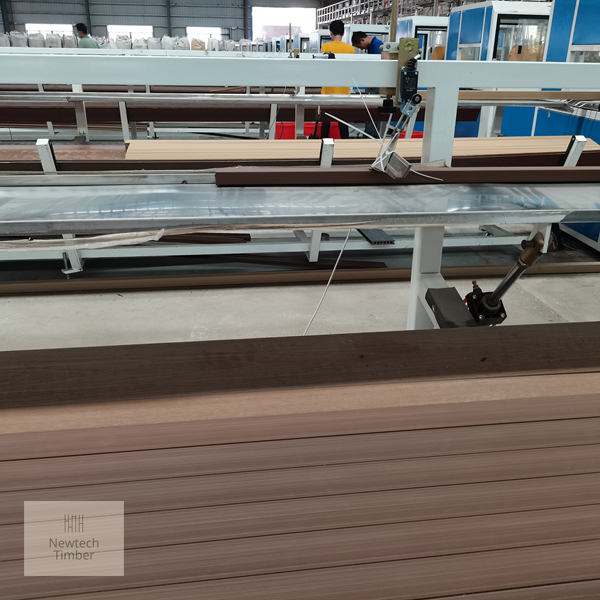
The global distribution of production facilities for composite decking plays a significant role in determining its availability and pricing. Major manufacturers are strategically located in regions with abundant resources, including both wood and plastic materials. This geographic distribution allows them to capitalize on local supply chains and minimize transportation costs. For instance, companies situated in North America often source their materials from nearby forests and recycling facilities, enabling them to produce composite decking more efficiently. In contrast, manufacturers in regions with limited access to these resources may face higher production costs, which can impact the final price of their products.
In addition to the geographic distribution of production facilities, the price of composite decking is influenced by the fluctuating costs of raw materials. The prices of wood and plastic can vary significantly based on market demand, environmental regulations, and availability. For example, when the cost of virgin plastic increases due to global oil price hikes, manufacturers may pass these costs onto consumers. Conversely, when there is a surplus of recycled materials, the price of composite decking may decrease, making it more accessible to homeowners and builders alike.

Another factor that affects the pricing of composite decking is competition within the market. As more manufacturers enter the industry, the variety of products available increases, leading to competitive pricing. This competition can benefit consumers by driving innovation and improving quality while also keeping prices in check. However, it is essential to be cautious, as not all composite decking products are created equal. Some may prioritize cost over quality, leading to a product that does not perform well over time.
Sustainability is another critical consideration when discussing composite decking. Many manufacturers emphasize the use of recycled materials, which not only reduces waste but also lessens the environmental impact associated with traditional wood decking. By opting for composite decking, consumers are often making a more eco-friendly choice. This sustainability angle can also affect pricing, as products that meet higher environmental standards may carry a premium. Nonetheless, the long-term savings associated with reduced maintenance and replacement costs can offset the initial investment.
The aesthetic appeal of composite decking is another reason for its growing popularity. With advancements in technology, manufacturers have developed products that closely mimic the appearance of natural wood. This ability to offer a wide range of colors and finishes has made composite decking an attractive option for homeowners looking to enhance their outdoor spaces. The combination of durability, low maintenance, and aesthetic versatility often justifies the price point for many consumers.
When evaluating composite decking for your next project, it is crucial to consider both the material composition and the factors influencing pricing. By understanding the global production landscape and the associated costs, you can make an informed decision that aligns with your budget and environmental values. Researching different brands, comparing products, and reading customer reviews can also provide valuable insights into the best options available in the market.
In summary, composite decking is a hybrid material that combines wood fibers and plastic, offering an appealing alternative to traditional wood. Its global production landscape and pricing dynamics are influenced by various factors, including resource availability, competition, and sustainability initiatives. By understanding these elements, consumers can make educated choices that meet their specific needs and preferences. Choosing the right composite decking not only enhances the beauty of outdoor spaces but also contributes to a more sustainable future for our planet.

